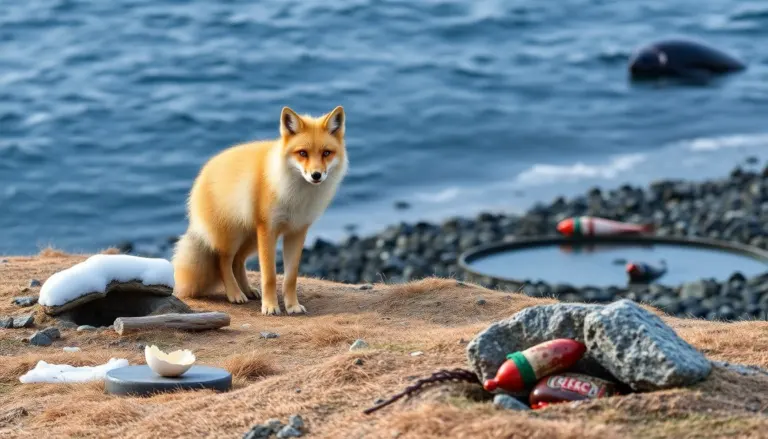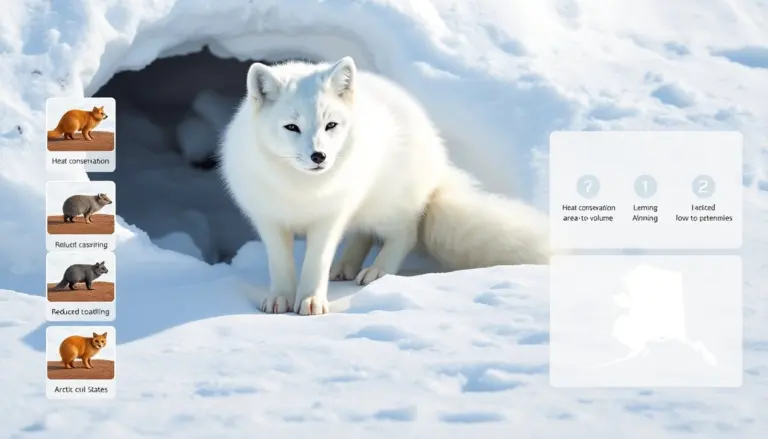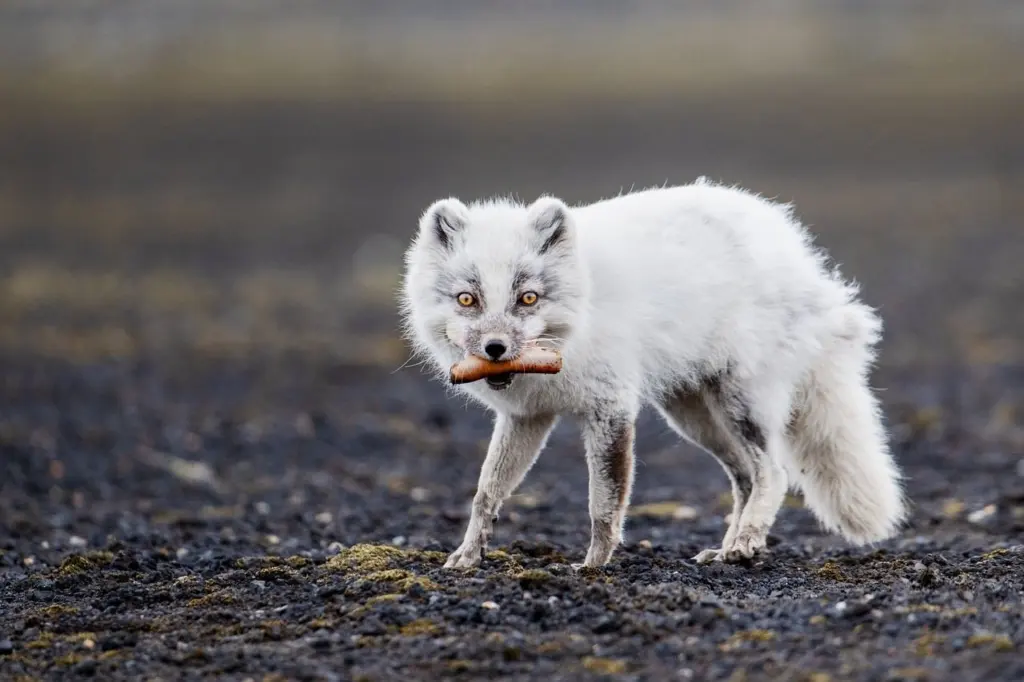
A brown fox on a summer hillside is normal. The arctic fox summer coat replaces white winter fur with thinner brown and grey fur, and daylight, not warmth, sets the timing.
This guide belongs to our coverage of wildlife in norway and deals with the moult only. For where the species lives and how it survives, read Arctic Fox Habitat: Where They Live, How They Survive, And Why It Matters In 2026.
What the moult changes
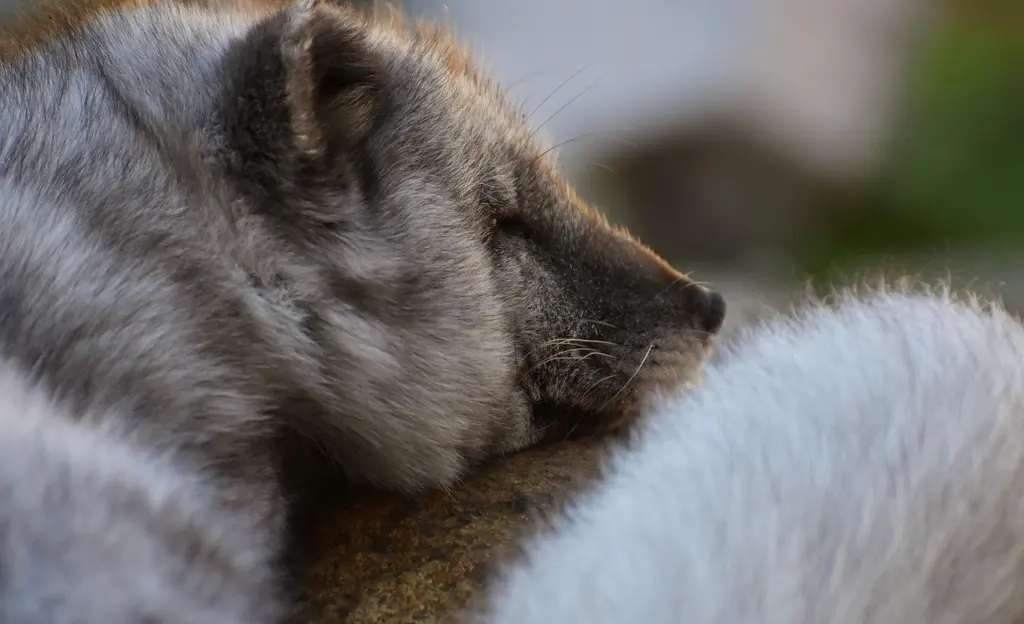
The moult is the seasonal exchange of one coat for another, and it alters thickness as much as colour. The Alaska Department of Fish and Game describes the winter coat as dense warm fur worn under longer guard hairs, which help shed moisture. It is twice as thick and dense as summer fur, and that insulation lets the arctic fox survive temperatures below -50°F. EarthRangers summarises the summer result: the white fur turns brown and grey, and the coat is only about half as thick.
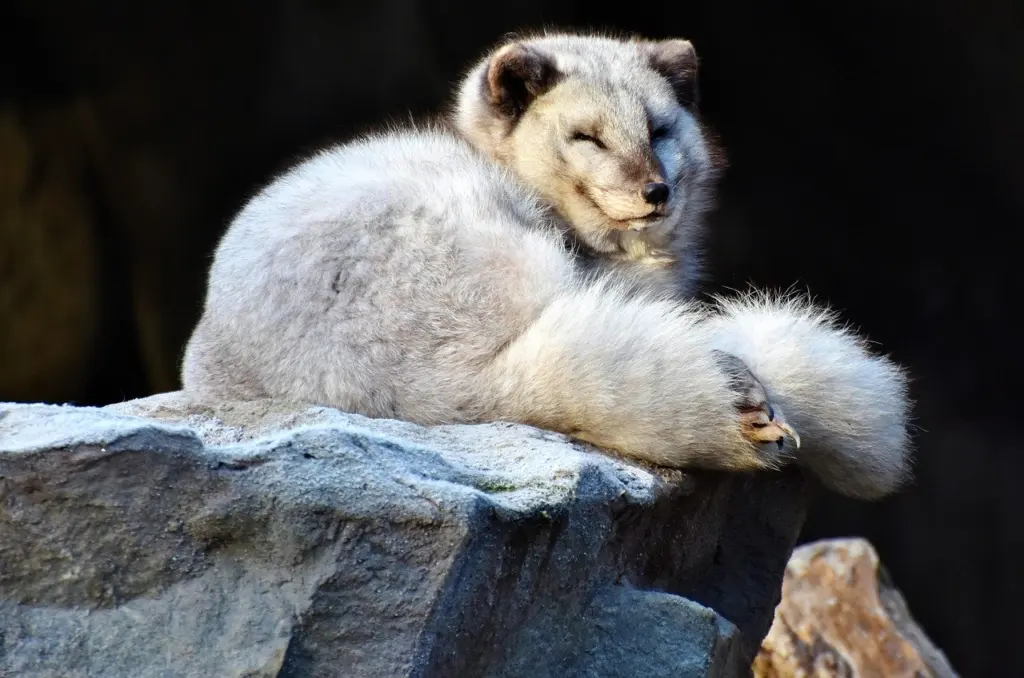
For anyone watching a fox, that gives two separate clues, tone and bulk. A summer fox looks darker and also slimmer, because it is wearing far less fur. The table sets the two coats side by side.
| Feature | Winter coat | Summer coat | Planning use |
|---|---|---|---|
| Colour | White | Brown and grey | Rule out a blue morph before reading colour as a moult stage |
| Thickness | Twice as thick and dense as summer fur | About half as thick as the winter coat | Expect a visibly slimmer animal in summer |
| Alaska timing | Change begins in September and is complete by November | Shedding begins in early April; summer fur is worn by late June | Use as a calendar benchmark, not a fixed date |
Thickness and timing figures come from the Alaska Department of Fish and Game, and the summer colour and half-thickness description from EarthRangers.
Common misunderstandings about the moult
Most confusion comes from treating the moult as a reaction to the weather or as a single event with one result. The supported picture is more specific.
Warm weather does not start it
The assumption that a mild spring melts the white coat away is wrong. According to Alaska Department of Fish and Game, it is daylight, not cold or warm weather, that triggers seasonal shedding and hair growth. Indoor experiments back this up: shortening the photoperiod induces hormone production and the growth of the winter coat.
The practical consequence is that the weather forecast is a poor guide to what a fox will look like. The length of the day is the signal, so the calendar tells you more than the thermometer does.
A thinner coat is not a weaker animal
The summer coat looks like a downgrade, and in insulation terms it is a lighter garment, about half as thick as the winter version. That does not make it a poor coat. It is the coat the fox wears from late June, once the moult that begins in early April is finished, and it is the one that carries the animal through the part of the year when a winter-weight pelt is not the priority. Judge it as a seasonal tool, not as damage.
Moult timing by region
The clearest dated record comes from Alaska. There, arctic foxes begin shedding in early April and wear their summer fur by late June. The reverse change starts in September, and by November the white winter coat is complete. So the fox spends roughly the spring in transition and the autumn in transition, with two settled coats in between.
The arctic fox has a circumpolar distribution: the same source lists Eurasia, North America, Greenland, Iceland, Norway and the Arctic islands. Because the trigger is the length of the day, each region follows its own light calendar. Treat the Alaskan dates as a reference point for how the process unfolds rather than as a Norwegian schedule, and expect individual foxes in other regions to run earlier or later than that window.
This matters most for anyone planning a trip around a particular look. If you want a fox in full white fur, aim for the end of the period after the autumn change is complete. If you want to see the mixed, in-between coat, the spring transition is the window to target.
White and blue morphs
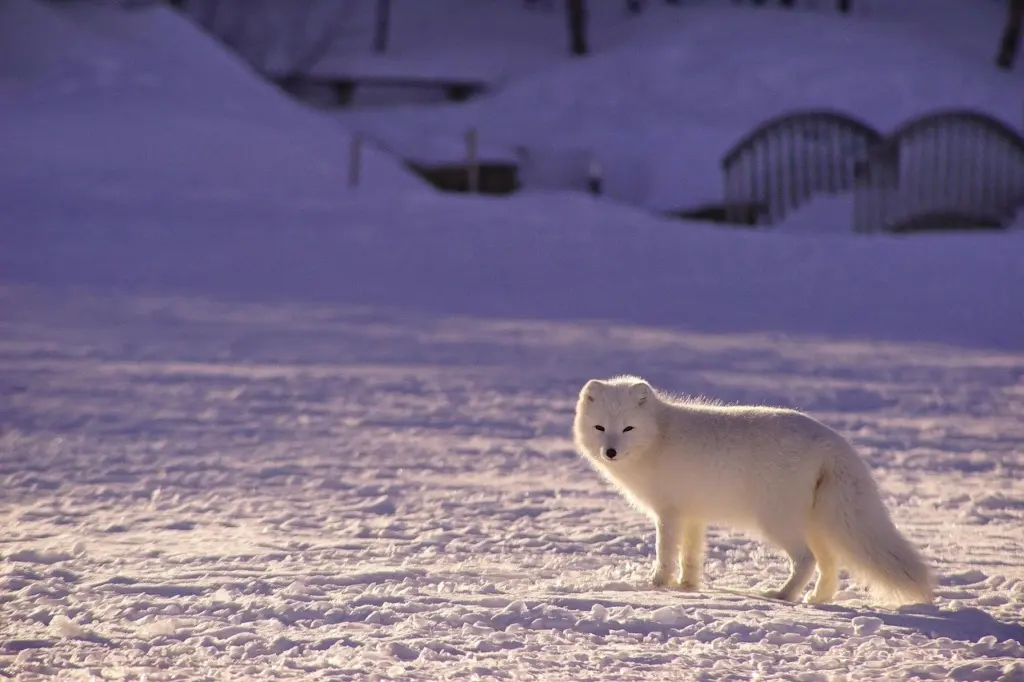
No, not every arctic fox turns brown in summer. The brown-and-grey summer change describes the white morph. The blue morph follows a different pattern, which is why colour alone can mislead a casual observer.
- White morph: white in winter, then brown and grey in summer as the moult proceeds, as EarthRangers describes it. This is the fox most people picture when they think of a seasonal colour swap.
- Blue morph: remains dark charcoal all year round but becomes somewhat lighter in winter. It never takes on the white winter look, so a dark fox in January is a normal blue, not an animal that failed to change.
- Where blues turn up: in Alaska the blue phase is more common on the Aleutian Islands and especially the Pribilof Islands, and rarer in the north. The same source links this to blue foxes, or coastal ecotypes, relying more on marine food and less on rodents.
- Svalbard: blue-phase foxes are documented there, including a tagged juvenile female from Svalbard, Norway, that the state wildlife agency reports on.
The decision rule that follows is simple. If the fox is dark in winter, think blue morph. If it is white in winter and brown or grey in summer, think white morph mid-cycle. Only the second case has a large moult to watch.
Seeing the moult in Norway
Norway is within the arctic fox’s circumpolar range, so the moult is a real viewing consideration there, but it rewards patience and realistic expectations. Foxes are wild animals, and what you see depends on where each individual is in its cycle.
- Read the calendar, not the weather: daylight drives the change, so use the season rather than a warm or cold spell to judge what to expect. The Alaskan spring window of early April to late June is a useful guide to when a coat can be in transition.
- Look for mixed fur: a fox in transition shows white and darker fur together, and the effect is clearest around the head, ears and legs on a fox that is changing.
- Do not mistake a blue fox for a moulting one: a charcoal animal outside the spring window is likely a blue morph, not an individual part-way through a change.
- Pair the trip with other wildlife: if you are already travelling for mammals in the mountains, wild reindeer norway where to see helps you plan a route that covers more than one species.
A realistic goal is to match your dates to the part of the cycle you most want, whether the full white coat, the patchy transition or the settled summer coat, and to accept that individual foxes will vary around any benchmark.
Frequently asked questions
| Question | Answer |
|---|---|
| How cold can an arctic fox cope with? | The Alaska Department of Fish and Game says the arctic fox can survive temperatures below -50°F, thanks to a winter coat that is dense underfur beneath longer guard hairs. See its species account. |
| Do arctic foxes live in Norway? | Yes. The species has a circumpolar range that includes Norway, alongside Eurasia, North America, Greenland, Iceland and Arctic islands, and Svalbard has documented blue-phase individuals. |
| How far can a Svalbard fox travel? | A tagged blue-phase juvenile female from Svalbard travelled about 2,700 miles to Ellesmere Island, Canada, over four months in 2019, averaging about 30 miles a day, according to the state wildlife agency. |