Arctic fox habitat covers tundra, coastal areas, and sea-ice zones. The arctic fox habitat supports feeding, breeding, and shelter. Scientists monitor habitat changes to track population shifts. The species adapts to cold and scarce food. This article explains where the fox lives, how it survives, and why habitat changes matter now.
Key Takeaways
- Arctic fox habitat spans the Arctic Circle, including tundra, coastal areas, and sea-ice zones that support feeding, breeding, and shelter.
- The arctic fox adapts to cold with a compact body, seasonal fur color changes, and fat storage to survive harsh conditions.
- Seasonal shifts in habitat use help the fox optimize food sources, moving between coastal flats, tundra, and sea ice as prey availability changes.
- Climate change is shrinking sea ice and altering habitats, increasing competition from red foxes and threatening arctic fox populations.
- Protecting arctic fox habitat requires careful monitoring, minimizing human disturbance, and supporting conservation policies to preserve key areas.
- Responsible viewing, research sharing, and citizen support bolster efforts to maintain stable arctic fox habitat and populations.
Range, Landscapes, And Seasonal Habitat Use
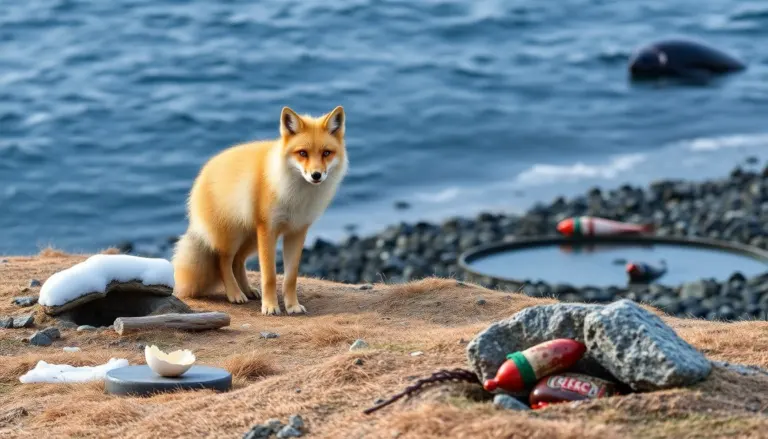
The arctic fox habitat spans the Arctic Circle across North America, Eurasia, and some Arctic islands. Populations live on tundra, along rocky coasts, and on pack ice when food is available. In summer, the fox uses wetter tundra and coastal flats to hunt birds and insects. In winter, it shifts to inland tundra and sea-ice edges to follow seal and seabird carcasses or to scavenge near human sites. The fox favors areas with den sites, low shrub cover, and nearby prey. Migratory movements occur when food declines locally. Juveniles sometimes disperse long distances across ice and open tundra.
Physical And Behavioral Adaptations For Arctic Habitats
The arctic fox habitat demands strong cold adaptations. The fox packs heat in winter and stays active in low temperatures. It uses a compact body shape, short muzzle, and short ears to reduce heat loss. The fox stores fat when prey is abundant. It hunts small mammals and scavenges larger kills. The species shows flexible behavior to exploit seasonal food. It moves from solitary hunting to den-based rearing when pups arrive. The fox times breeding with peak prey availability to raise healthy litters.
Camouflage, Insulation, And Seasonal Fur Changes
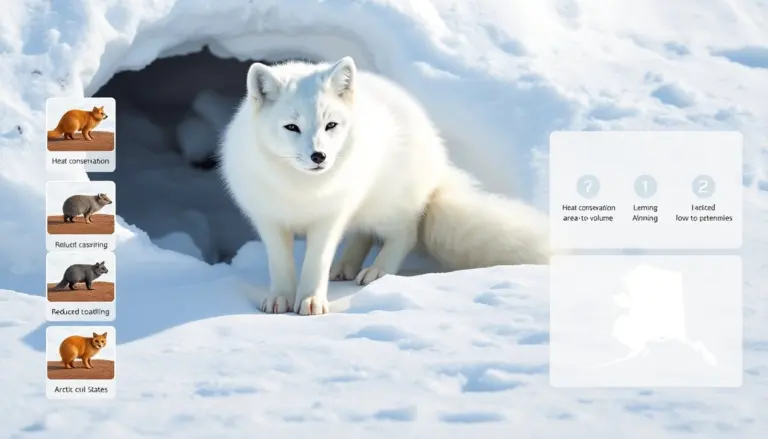
The arctic fox habitat includes snow and bare ground in different seasons. The fox changes fur color to match these backgrounds. In winter, the coat turns white to blend with snow. In summer, the coat shifts to brown or gray to match tundra vegetation and rocks. The dense underfur traps air and insulates the body. The guard hairs shed water and wind. The fox grows its thickest coat before the cold sets in. It molts when temperatures rise and daylight lengthens. The seasonal change reduces predation risk and improves hunting success.
Foraging, Denning, And Social Behavior
The arctic fox habitat supports varied food sources. The fox hunts lemmings, voles, birds, eggs, and insects. It scavenges whale and seal carcasses near coasts. The fox caches excess food in shallow pits or under vegetation. Dens occur on slopes, ridges, or areas with frost-free soil that allow digging. Families reuse dens across years. A breeding pair occupies a den and defends its area during pup rearing. Social bonds form between mates and offspring during the breeding season. In lean years, the fox expands its range and shows more solitary foraging.
Threats To Habitat And Current Conservation Status
The arctic fox habitat faces pressure from warming temperatures and habitat loss. Warmer winters reduce sea ice and change prey distributions. Red foxes move north and compete with the arctic fox for food and dens. Human development and shipping increase disturbance near coasts. Some local populations show declines, while others remain stable. Conservation status varies by region. The IUCN lists the species as Least Concern globally but marks some populations as threatened. Scientists call for monitoring of habitat change and predator interactions to detect declines early.
Climate Change, Shrinking Sea Ice, And Habitat Shifts
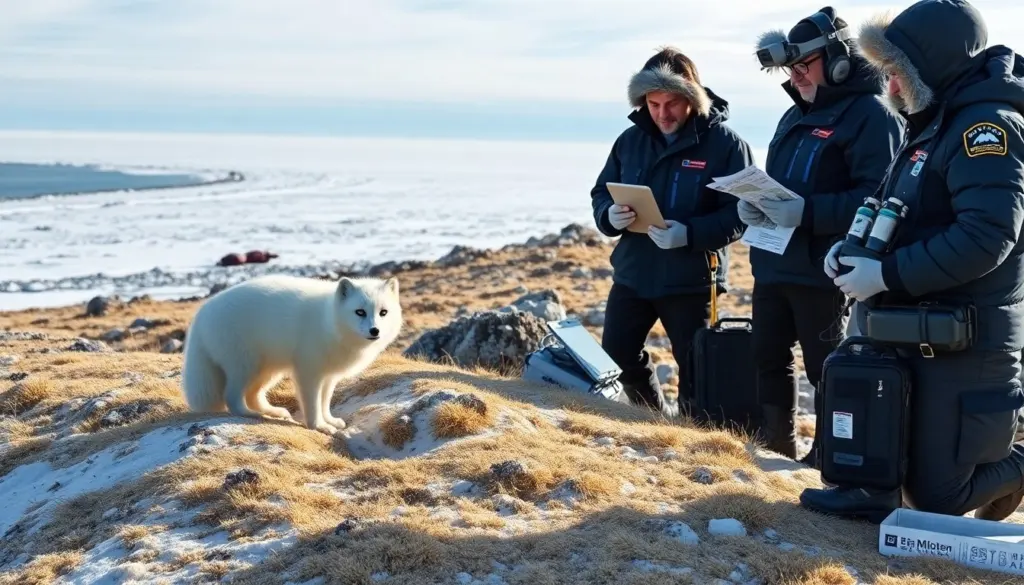
The arctic fox habitat depends on cold conditions and predictable prey cycles. Climate change alters snow cover timing and reduces sea ice extent. These shifts change where prey breed and where carcasses wash ashore. The red fox benefits from milder winters and moves into former arctic fox range. The arctic fox then faces higher competition and increased predation risk. Changes in vegetation also alter den suitability and prey availability. Researchers use long-term surveys and tracking to link habitat shifts with population trends.
How To Help: Responsible Viewing, Research, And Conservation Actions
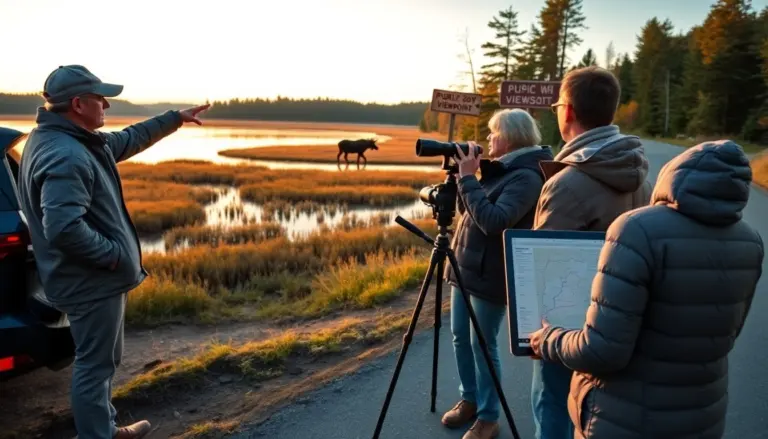
Visitors should view the arctic fox habitat with care. People must keep distance from dens and avoid feeding wildlife. Researchers should share data on sightings, den locations, and population counts. Conservation groups should support habitat protection and reduce disturbance near key coastal sites. Policy makers should limit development in critical den areas and manage invasive predator expansion. Citizens can support credible conservation organizations and fund research. Simple actions, like reporting sightings and reducing waste in coastal areas, help the fox find stable food sources.