| Route fact | What it involves | Planning use |
|---|---|---|
| Oslo to Bergen by Norway in a Nutshell | Covers Oslo to Bergen in one day by train, bus and boat | Treat it as a full transit day where the scenery is the activity, and plan nothing else around it. |
| Flåm Railway | 12-mile journey from Myrdal mountain station, almost 3,000 feet above sea level, down to Flåm; described as one of the steepest lines in the world | Make this the centrepiece of the rail leg and sit on the side with the best view of the waterfall stop. |
| Driving Oslo to Bergen | About 7 hours at the wheel; a 7-day road plan expects around 5-6 hours of driving each day | Choose a car only if the stops along the way matter more than time on the ground. |
| Summer | Best weather, long hours of daylight, and the most popular time to visit | The easiest season for a first week; reserve rail, boat and beds early. |
| Winter | Sub-zero temperatures and steep snowy slopes; one road guide treats October to February as winter | Lean on trains and buses rather than a rental car. |
| Hardangervidda National Park | Described as vast and wild, and reachable on a day trip from Bergen | Keep a spare day in Bergen for the park rather than squeezing it between transfers. |
Figures come from a 7-day Norway road-trip itinerary and a Norway in a Nutshell tour description.
A balanced norway itinerary 7 days without a car links Oslo, the Flåm Railway, the fjords and Bergen by rail, bus and boat, then adds Hardangervidda National Park as a day trip from Bergen. Summer is the easiest season for it.
The park stop is what turns a standard fjord loop into a nature week, and the right gateway and season depend on how much time you give it. If you are building a wider park trip, read how to plan a trip to norway national parks alongside this route.
What a car-free week changes
Skipping the rental car changes the character of the week more than its length. The long Oslo to Bergen stretch becomes a scenic transfer instead of a driving shift, and your daily pace is set by timetables rather than fuel stops. That trade suits most visitors who want fjords and a mountain park in a short time.
- Choose rail, bus and boat if the journey is part of the point. The road-trip itinerary puts the Oslo to Bergen drive at about 7 hours, while the Norway in a Nutshell combination covers the same cities in one day by train, bus and boat. On the public-transport version you spend the hours looking out of the window, not at the road.
- Choose a car if you want to stop wherever you like. The same road plan expects around 5-6 hours of driving each day. On a short trip that leaves less time for walking, cruising and the park, so a car works best when you are happy to trade sightseeing for flexibility.
- Drop the car idea in winter. The road itinerary warns of sub-zero temperatures and steep snowy slopes, and advises being comfortable on those roads before driving. If you are not, trains and buses remove that risk.
The sections below follow the car-free spine from Oslo to Bergen, then the park and northern options.
Oslo, Flåm and Bergen: the route in order
Arriving and starting in Oslo
Oslo Airport, Gardermoen is the arrival point used for transfers to Oslo hotels in Norway in a Nutshell itineraries. Keep the capital short. The strongest value in this week sits west of Oslo, so use the opening stretch to settle in, adjust to the time zone and confirm your rail and boat bookings rather than trying to cover every city sight.
Oslo to Flåm by rail
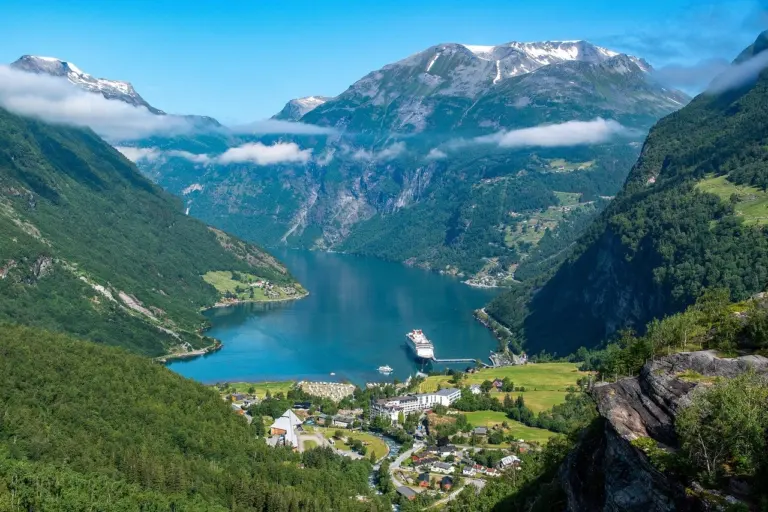
The rail leg is the heart of the route. The Flåm Railway is described in a Norway in a Nutshell tour as a 12-mile journey that follows a vertiginous track from Myrdal mountain station, almost 3,000 feet above sea level, down to Flåm. A week-long fjord rail tour markets it as one of the world’s steepest railway lines and highlights the Kjosfossen waterfall on the ride. Because the descent is short and spectacular, give it daylight and good weather rather than an evening arrival.
Fjord cruising between Flåm and Bergen
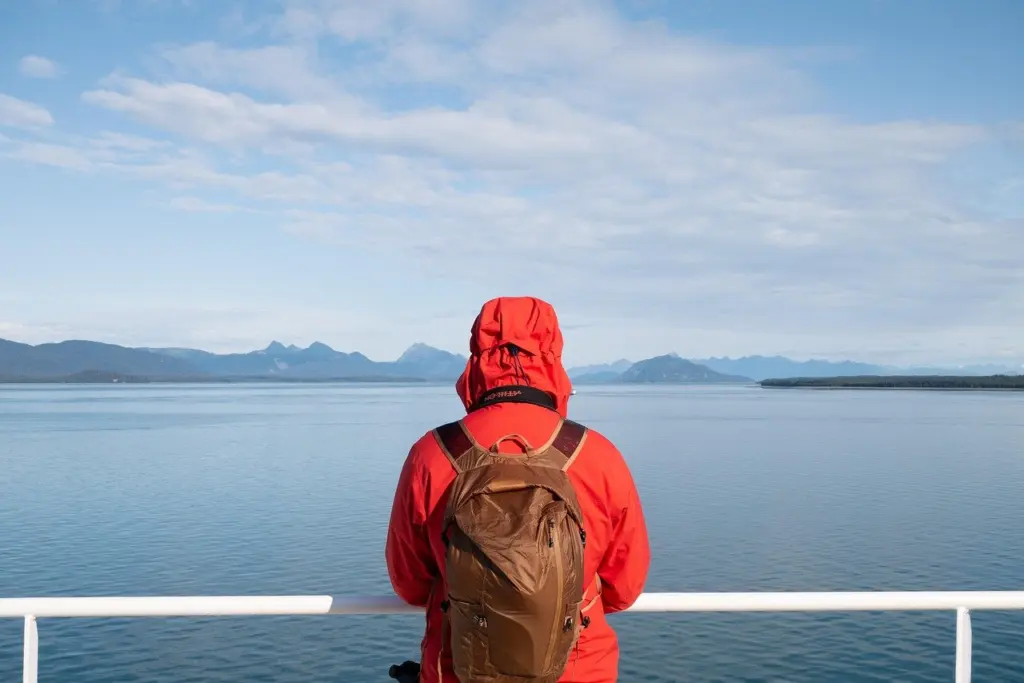
The boat segment is what links the mountain railway to the west coast on the one-day Oslo to Bergen combination described by the road-trip guide. A fjord cruise is also the easiest way to see the landscape without any driving, and it keeps the day restful after the train. Pack a windproof layer for the deck, because water and wind can feel much colder than the town you left.
Bergen as the base for the second half
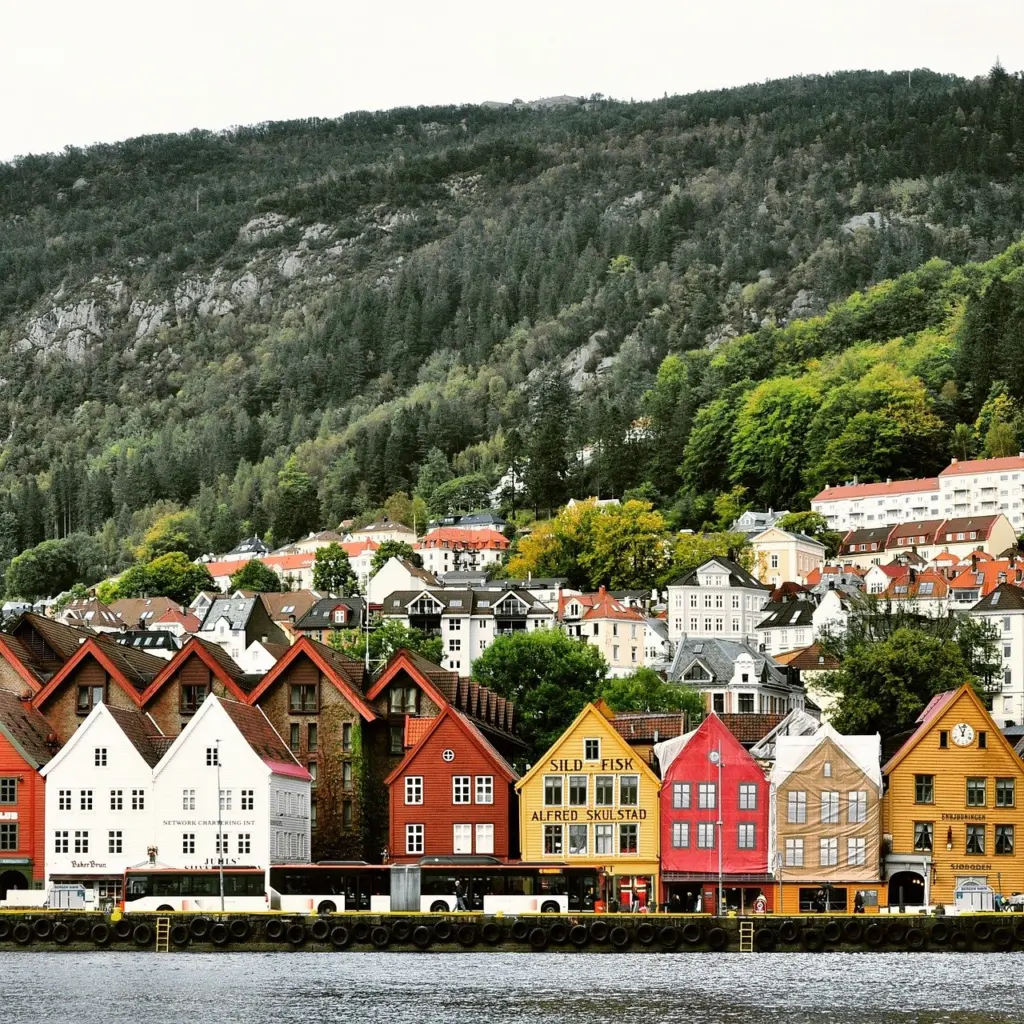
Bergen suits the later part of the week because it is both a city stop and the base for the park day trip. The fjord rail tour lists the UNESCO World Heritage site of Bryggen among its highlights, and the harbour front is an easy walk with no transport needed. The road-trip guide also describes the Bergen Railway as the highest-altitude train ride between two cities in Europe, a good reason to take the train rather than fly if you are heading back to Oslo.
Adding Hardangervidda National Park
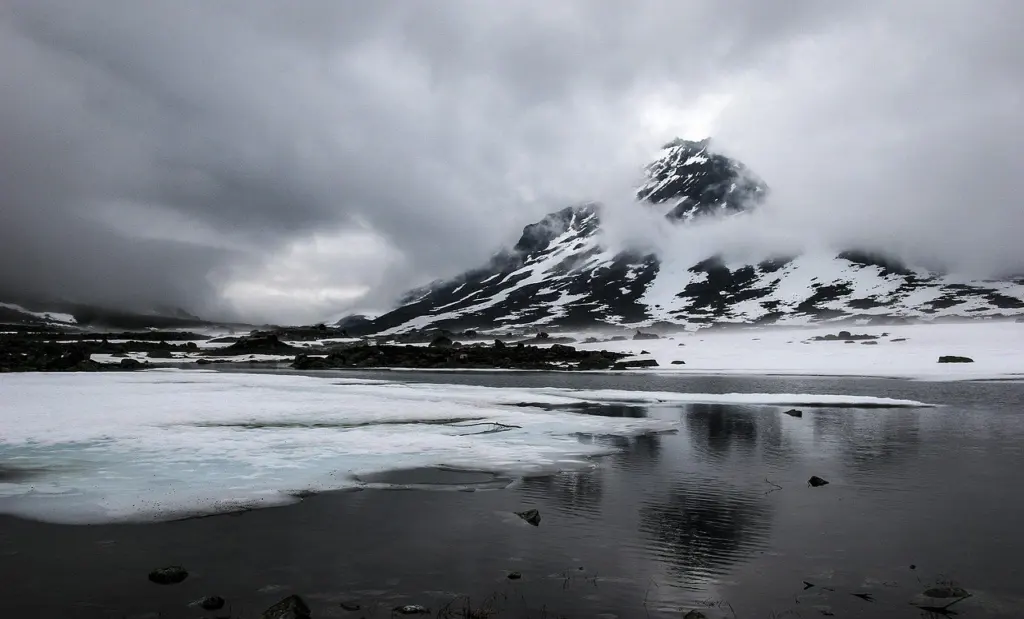
Hardangervidda National Park is the nature stop that fits this route best. A Norway in a Nutshell description calls it vast and wild and presents it as a day trip from Bergen. That framing is a sound planning rule: treat the park as a dedicated day with a firm return connection, not as a quick detour between a ferry and a hotel.
For a car-free visit, the decision that matters is the gateway. Confirm current bus and rail links to your chosen park entry point on the Vy and Entur timetables before you commit, and choose the departure that leaves the longest margin before the last connection back. A park this large rewards a modest, well-planned walk more than an ambitious one, especially if the weather changes.
If you want more park ideas beyond this one, the planning guide linked above compares gateways and seasons across the national parks.
Northern Lights option from Tromsø
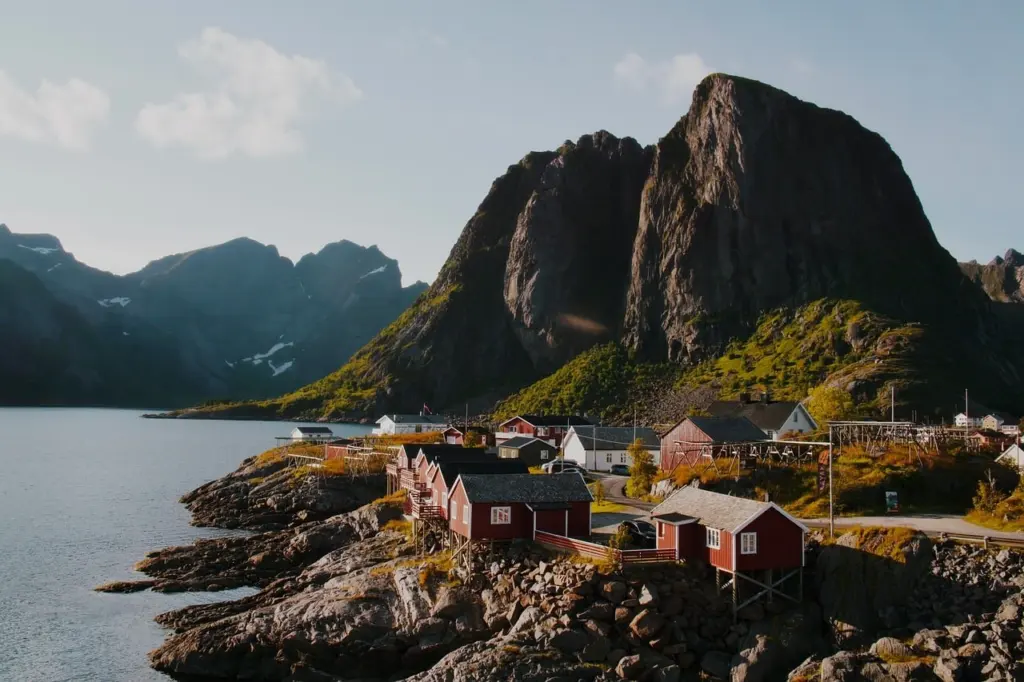
The northern lights are visible more often the further north you travel, and a motorhome rental guide to a week in Norway names Tromsø as a northern option in April and October. Tromsø does not sit on the Oslo to Bergen spine, so it is best treated as a replacement for the western route, not a bolt-on. Packing both into one short week would leave you spending the days in transit.
If aurora is your main goal, spend the week in the north and leave the fjords for another trip. For island scenery, midnight-sun timing and aurora windows in the far north, see Best Time To Visit The Lofoten Islands: When To Go For Northern Lights, Midnight Sun, And Outdoor Adventures (2026).
Season, roads and closures
Summer gives the widest choice. The road-trip guide calls it the most popular time to visit, with the best weather and long hours of daylight, and a motorhome operator says campsites are open and at full capacity from June to August. Popularity cuts both ways: that is also when rail seats, boat crossings and Bergen beds are in highest demand, so book the Flåm leg and the park day early.
Winter changes the plan. One guide treats October to February as winter, with sub-zero temperatures and steep snowy slopes; the motorhome operator describes many campsites and some roads as closed from November to March. The definitions differ slightly, so check current conditions for your dates. A winter week still works on this route if you stay on trains and cities and keep park expectations modest.
For a month-by-month comparison, see When Is The Best Time To Visit Norway? The Seasonal Guide For 2026.
Frequently asked questions
Do road tolls apply on this route?
Only if you drive. The road-trip itinerary notes that all vehicles driving in Norway need to pay road toll charges, so a car adds a cost that the rail, bus and boat version avoids. Check the charge for your vehicle before you book a rental.
When do campsites and roads close in spring?
April and May are typically when certain campsites and roads shut down for the winter season, according to the motorhome operator. If you travel in those months and plan a camping or driving element, confirm each stop is open before you set out.
Why take the train from Oslo to Bergen instead of flying?
The road-trip guide describes the Bergen Railway as the highest-altitude train ride between two cities in Europe, so the ground route is itself a highlight. Flying saves time, but you lose that landscape.