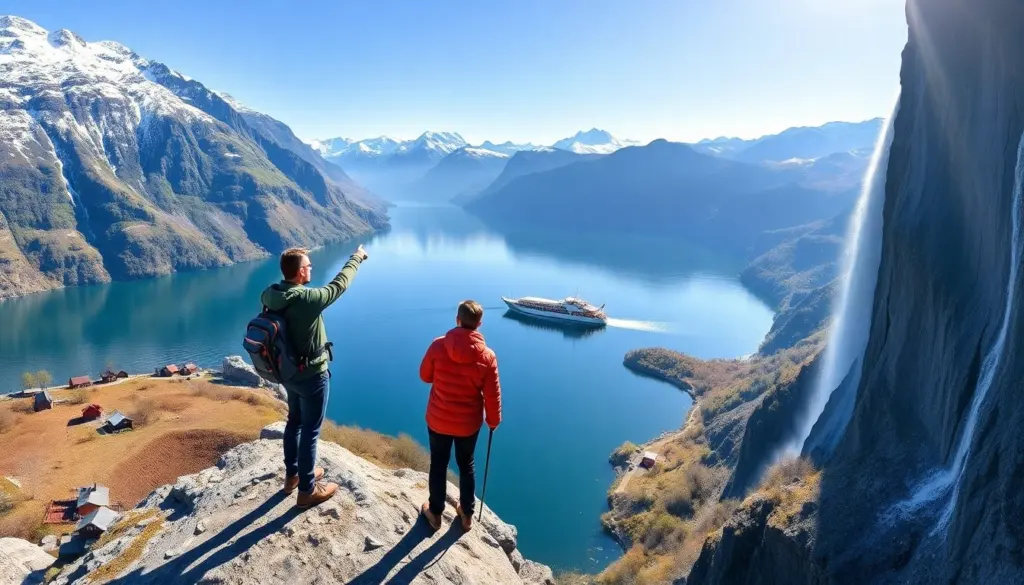
The most beautiful fjords in norway draw visitors year-round. This article lists seven top fjords and shows what sets each apart. It gives clear travel tips and best seasons. It helps readers plan visits with simple, practical advice. It keeps focus on scenery, access, and local highlights.
Key Takeaways
- The most beautiful fjords in Norway, including Geirangerfjord and Nærøyfjord, offer stunning scenery with unique features like waterfalls, narrow waters, and remote trails.
- Best visiting seasons vary: summer provides long daylight and boat tours, while winter near Tromsø features northern lights and occasional whale sightings.
- Travelers should plan routes through hubs like Bergen, Ålesund, or Tromsø and combine car rental, ferries, and public transport for optimal access to fjords.
- Boat tours and hiking trails provide immersive fjord experiences; booking early in peak season and carrying waterproof gear enhances safety and enjoyment.
- Accommodation ranges from hotels to farm stays, with quieter guesthouses offering local food and cultural insights.
- Timing visits on weekdays or early mornings reduces crowds and improves photo opportunities while embracing local cuisine enriches the overall fjord experience.
Seven Most Beautiful Fjords — Quick Guide And What Makes Each Special
Geirangerfjord • Nærøyfjord • Sognefjord • Lysefjord • Hardangerfjord • Hjørundfjord • The Arctic Fjords Near Tromsø
Geirangerfjord sits among steep cliffs and tall waterfalls. Tourists see Seven Sisters waterfall and historic farms. Many operators run boat tours and short hikes. The most beautiful fjords in norway often appear in photos, and Geirangerfjord tops many lists.
Beyond the postcard views, Geirangerfjord rewards slower travel: take a scenic drive along the Ørnevegen (Eagle Road) for panoramic overlooks, or walk to small mountain farms that demonstrate traditional fjord agriculture. Kayak rentals and RIB-boat trips give closer views of waterfalls and cliff faces for those comfortable on the water. In shoulder seasons, the fjord is quieter and light for photography tends to be softer—useful for landscape shots and to capture the scale of the cliffs without crowds.
Nærøyfjord offers narrow waters and sheer rock faces. Small boats pass close to cliffs. Hikers use nearby trails for quick viewpoints. The fjord appears on UNESCO lists and shows dramatic scale in a compact area.
Nærøyfjord is particularly appealing to visitors who want intense, close-up fjord experiences. The narrow channel makes sound carry well—listening for birdlife and the echo of waves can be part of the appeal. Access is commonly via small-boat cruises from Gudvangen or Flåm; many routes combine a fjord cruise with a scenic rail segment. Photographers and nature lovers should aim for calm mornings when reflections appear in the water and to check ferry timetables for the best connections.
Sognefjord runs deep into the mainland. It reaches long distances and includes small villages. Ferries bring travelers between fjord arms. The fjord combines glaciers, high peaks, and calm waters.
Sognefjord’s varied landscape includes glacier-fed arms such as the Jostedalen area, where glacier tongues descend toward the valleys. The significance of the fjord for regional transportation means travelers can piece together multi-day itineraries using regular ferries that double as local transport. Stay in villages like Balestrand or Vik to experience local museums, craft shops, and guided hikes that range from easy walks to full-day treks into high country.
Lysefjord presents steep walls and a famous rock ledge. Hikers climb to Preikestolen for a clear ledge view. Boat trips show the fjord from below. Lysefjord gives a sharp contrast between rock and sea.
Preikestolen (Pulpit Rock) is an iconic viewpoint above Lysefjord and draws many day hikers from Stavanger. For those who prefer a less crowded experience, consider early morning or late-afternoon departures and combine the hike with a short boat trip to see the cliff face from the water. Climbers and via-ferrata enthusiasts find additional routes in the area, and guided tours can add context about the geology that shaped the dramatic vertical walls.
Hardangerfjord surrounds orchards and waterfalls. Visitors time trips for fruit blossom in spring and harvest in late summer. Car routes follow the fjord and offer many short stops. The fjord mixes farming scenes with dramatic coastal views.
Hardangerfjord is often described as the “fruit bowl” of Norway—spring blossom transforms roadsides and valley floors, while late summer brings harvest festivals and opportunities to taste local ciders and preserves. Scenic drives along the fjord include stops at waterfalls like Vøringsfossen nearby and short fjord-side hikes that are family-friendly. Ferries shorten driving distances between fjord arms and provide photo opportunities from the water.
Hjørundfjord lies in a quieter area with steep mountains. Locals run ferry links and guesthouses. Hikers find remote trails with wide views. The fjord rewards visitors who want fewer crowds.
Hjørundfjord is a favorite among travelers seeking solitude and dramatic alpine scenery. The surrounding Sunnmøre Alps offer ridge hikes for experienced walkers and sheltered valley paths for slower days. Small ferries and local bus links connect hamlets; staying in a local guesthouse often yields home-cooked meals and tips on lesser-known viewpoints. The fjord’s remoteness makes it a good choice for travelers who want to combine serious hiking with quiet evenings by the water.
The Arctic Fjords Near Tromsø show northern light and dramatic winter scenes. Boats run in milder months and some trips run under the midnight sun. Winter cruises occasionally show whales. These fjords add polar conditions to the list of the most beautiful fjords in norway.
North of the Arctic Circle, fjords near Tromsø and the Lofoten/Vesterålen region add seasonal extremes to the experience: long daylight in summer, and aurora-filled nights in winter. Boat trips range from short sightseeing cruises to longer wildlife-focused expeditions that look for sea eagles, seals, and, in certain months, whales. Dress for layers, and plan flexible activities because weather can shift rapidly. Combining time in Tromsø with road trips or island-hopping gives access to sheltered inlets and dramatic mountain-to-sea profiles.
Each fjord offers different scale, access, and activities. Some suit short day trips. Others reward longer stays. The list covers popular choices and quieter options. Travelers can match pace to interest and time.
How To See Them: Best Seasons, Routes, And Practical Travel Tips
Season choice affects the fjord experience. Summer gives long daylight and more boat options. Winter offers low light and northern lights near Tromsø. Shoulder seasons give fewer crowds and stable weather.
Summer (June–August) is peak for boat tours, mountain hikes, and long daylight. If your goal is to visit the most beautiful fjords in norway with maximum variety of activities—kayaking, guided glacier walks, and daily ferry links—plan for summer but book accommodation and popular tours early. Spring (April–May) highlights blossom in Hardangerfjord and quieter trails; autumn (September–October) brings crisp air, harvest events, and a change in foliage colors. Winter restricts many high mountain roads but opens up aurora- and whale-watching opportunities in the Arctic fjords.
Travelers fly into Oslo or Bergen and then use trains, buses, or ferries. Bergen serves as a gateway to Sognefjord and Hardangerfjord. Ålesund works well for Geirangerfjord. Tromsø works for the Arctic fjords. Many visitors combine car rental and ferry links for flexibility.
Rail travel combined with fjord ferries can be scenic and stress-free: consider the Bergen Railway for connections to western Norway and timed ferry crossings to reach towns along Sognefjord. Renting a car adds flexibility for stopping at viewpoints, orchards, and small villages, but be prepared for narrow roads and variable weather. If you prefer not to drive, regional buses and scheduled ferries connect most fjord settlements and can be paired with day excursions from larger towns.
Boat tours show fjords from the best angle. Companies run short sightseeing cruises and full-day trips. Ferries connect towns and act as practical transport. Travelers book popular boat tours early in high season.
Choose boat types to suit your comfort level: larger sightseeing vessels are stable and good for families, while smaller RIBs or kayaking trips bring you closer to cliffs and waterfalls. Afternoon light can be dramatic, but for mirror-like reflections and calmer waters, aim for early-morning cruises. Always check cancellation policies and whether guides provide lifejackets and emergency procedures.
Hiking adds a different view. Short trails lead to dramatic overlooks at Geirangerfjord and Lysefjord. Hikers pack layers and waterproof gear. Local guides offer safe routes and local knowledge.
For popular hikes, check difficulty and estimated time before setting out—Preikestolen is a steep, well-marked trail suited to many walkers, while more remote routes require map-reading and mountain experience. Wear sturdy boots, bring windproof and waterproof layers, and carry enough food and water. If hiking in winter or shoulder seasons, bring crampons or microspikes where necessary, and always tell someone your planned route and expected return time.
Accommodation ranges from hotels to cabins and farm stays. Booking ahead helps in July and August. Smaller guesthouses in fjord villages give local food and quieter evenings. Many stays include simple breakfasts and local tips.
Consider staying at a farm stay or rorbu (fisherman’s cabin) for a local feel—hosts often share practical advice about the best local walks, weather windows for boat trips, and where to try regional dishes. In peak months, choose locations slightly off the busiest viewpoints if you prefer quieter mornings. For multi-day fjord trips, splitting nights between two bases reduces daily driving and lets you experience both sunrise and sunset perspectives.
Driving routes give flexibility but require planning. Narrow roads and mountain passes exist. Drivers check ferry timetables and fuel stops. Some scenic roads close in winter. Parking fills fast at popular trailheads.
Allow extra time for ferries and for slower driving on winding roads. Use local apps or transport websites to confirm ferry schedules, especially in shoulder seasons when timetables may be reduced. Fill up fuel when you can—service stations are sparse in some fjord valleys—and carry a physical map or offline route plans in case of limited mobile coverage.
Budget travelers use regional buses and ferries. Tourist passes sometimes include train and ferry segments. Travelers compare costs for car rental versus public transport. Group tours bundle transport and activities for simplicity.
Look for regional transport cards or combination tickets that reduce the cost of multiple legs. Shared accommodation and self-catering options can balance higher local prices. Joining small-group tours is efficient for short stays: they handle logistics and often visit viewpoints that are otherwise hard to reach without local knowledge.
Safety basics matter. Weather can change quickly. Travelers carry waterproof layers and check forecasts. They notify someone of planned hikes. In remote fjords, services can be sparse.
Bring a basic first-aid kit, a charged mobile phone with emergency numbers, and a headlamp if you plan early starts or late returns. Respect local signs for trail closures and private land. If you hire guides, confirm their credentials and insurance. For wildlife viewing, keep distance and avoid disturbing nesting birds or marine mammals.
Timing visits reduces crowds. Weekdays see fewer tour groups than weekends. Early mornings bring calm water for photos. Late evenings offer softer light and quieter harbors.
For photographers aiming to capture the most beautiful fjords in norway, golden-hour light (shortly after sunrise and before sunset) gives the most dramatic color, while overcast days can be excellent for balanced, saturated images. Consider composing shots with foreground elements—boat harbors, orchards, or rock ledges—to convey scale.
Local food enhances visits. Many fjord villages serve fresh fish, local cheeses, and apple products. Trying local dishes gives a better sense of place. Markets and small shops sell crafts and local preserves.
Seek out small cafés and family-run eateries to sample regional specialties like cured fish, brown cheese, and apple ciders in Hardanger. Visiting a farmer’s market or stopping at a roadside fruit stand during harvest season is a pleasant way to support local producers and taste seasonal flavors.
Travelers who aim for the most beautiful fjords in norway should plan logistics, pick a season, and choose a pace. Good planning makes time on the water and trails more rewarding. Simple choices yield strong experiences.