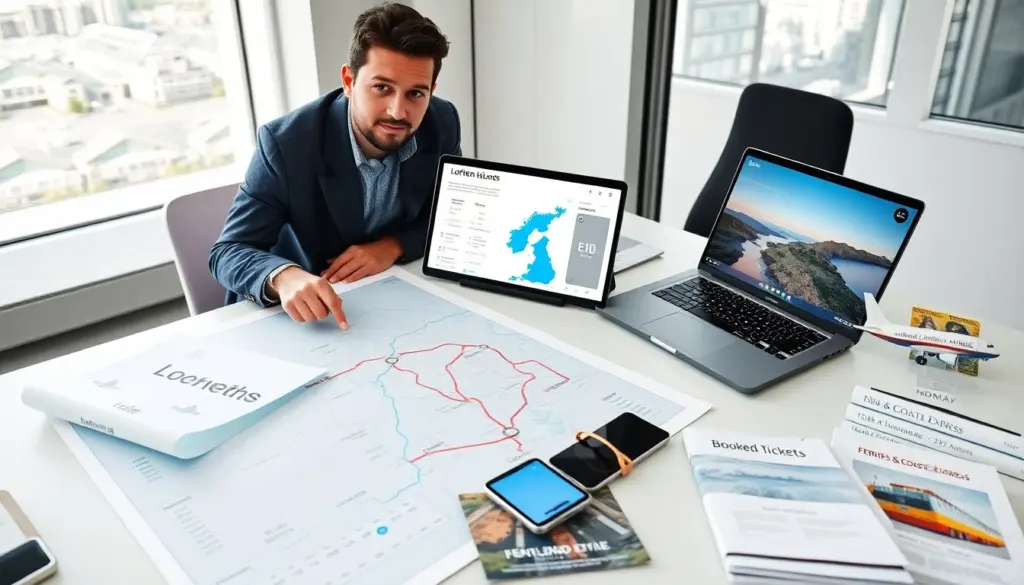
how to get to lofoten islands explains main routes, travel times, and booking tips for travelers. The guide lists air, sea, rail, and road options. It highlights transfer times and seasonal limits. It helps travelers pick the fastest, cheapest, or most scenic choice.
Key Takeaways
- Travelers can reach the Lofoten Islands by air, train plus ferry, or car and ferry, with each option suited to different travel preferences and seasons.
- Booking flights 2–3 months in advance and choosing regional carriers helps optimize travel to Lofoten airports like Leknes, Svolvær, and Røst.
- The scenic train-to-Bodø plus ferry route is ideal for those avoiding flights and interested in combining sea and rail travel.
- Drivers can take the E10 highway with bridges and car ferries connecting the islands, making road trips a popular way to explore Lofoten.
- Seasonal planning is crucial: summer offers long daylight and reliable ferry schedules, while winter provides northern lights but limited ferry capacity, influencing how to get to Lofoten Islands effectively.
Quick Snapshot And Best Time To Visit
Quick snapshot: travelers reach the Lofoten Islands by air, by train plus ferry, or by car and ferry. Summer offers long daylight and easy ferry schedules. Winter offers northern lights and limited ferry capacity. Travelers choose summer for hiking and winter for aurora runs. Travelers book earlier for June–August ferries and July road traffic. The phrase how to get to lofoten islands matters more in winter because schedules change.
When deciding when to visit, consider activity and logistics: late spring and summer (June–August) bring extended daylight, open mountain roads, and the highest frequency of ferries and regional flights, making movement between islands straightforward. Shoulder seasons (May and September) often offer good weather with fewer crowds but some reduced services. Winter (October–April) is quieter, great for aurora hunters and winter-sports enthusiasts, but expect shorter daylight, potential road closures, and less frequent ferry crossings. For any season, check timetables and book transport and accommodation early if you have fixed dates, since the islands’ infrastructure is scaled to local demand.
Getting There By Air: Airports, Routes, And Booking Tips
Flights serve several Lofoten airports and nearby hubs. Oslo and Trondheim offer international links. Bodø and Evenes serve as main transfer points. Local airports with scheduled service include Leknes (LKN), Svolvær (SVJ), and Røst (RET). Travelers check connections to these airports when they search how to get to lofoten islands.
Booking tips: travelers compare one-way regional tickets and open-jaw fares. Travelers buy tickets 2–3 months ahead for summer. Travelers use low-cost carriers to reach Oslo or Tromsø and use regional carriers for the final hop. Travelers pack light: small planes enforce strict luggage rules.
Domestic Vs. International Flight Options And Transfer Logistics
Domestic flights connect Oslo, Bodø, and Evenes to Lofoten airports. International travelers fly to Oslo or Evenes and then transfer. Transfers often require bus or taxi between airport and ferry or train terminals. Travelers allow 2–3 hours for missed connections. Travelers confirm terminal names and baggage rules before departure.
Practical air-travel notes: regional flights to Lofoten are typically on smaller turboprop aircraft, which means stricter hand-luggage and checked-bag limits and occasionally weight-related boarding rules. If your itinerary includes a tight connection, plan buffer time or an overnight in the transfer town. Consider flexible tickets or travel insurance in winter when weather can disrupt schedules. For group or equipment travel (bikes, skis), check carrier rules and book space for oversized items in advance. When searching how to get to lofoten islands by air, compare combinations of long-haul to Oslo/Evenes plus domestic segments versus routed itineraries through Bodø or Evenes to find the best balance of price and travel time.
Getting There By Sea And Rail: Train To Bodø, Ferries, And Coastal Ships
Rail and sea combine for a scenic route to the islands. Travelers take the night train or day train to Bodø from Oslo or Trondheim. Ferries and regional ships then carry passengers to several Lofoten points. The coastal express ships offer cabin space and scenic views. Travelers plan schedules around ferry frequency and seasonal service. The route often appeals to those who ask how to get to lofoten islands without flying.
Advantages of this option include comfort, room for luggage and vehicles on ferries, and the scenic value of traveling along Norway’s coast. Disadvantages are longer overall journey times and the need to coordinate train, ferry, and local bus timetables. For travelers prioritizing a relaxed travel experience or who want to include the coastal sea voyage as part of their trip, the train‑plus‑ferry option is often the most rewarding.
Bodø Train Plus Ferry: Step‑By‑Step Route For Public Transport Travelers
Step 1: travelers book the train to Bodø. Step 2: travelers arrive at Bodø and buy ferry or Hurtigruten tickets. Step 3: travelers board the ferry to Moskenes, Værøy, or Røst depending on destination. Step 4: travelers reserve local buses or taxis for final legs. Travelers pack for possible delays and limited services on small islands. Travelers check the national rail site and ferry schedules before travel.
Practical tips for the train-plus-ferry route: check luggage rules on trains and whether ferry cabins are available for overnight crossings. If you prefer flexible timing, consider booking fully refundable train tickets or choosing daytime travel to avoid disembarking late at night. On arrival islands, local bus frequency can be low, so if you need to reach a remote cabin or lodge, arrange a transfer in advance. This combined route is particularly useful for those who want to minimize flights while still reaching central Lofoten hubs efficiently.
Hurtigruten, Regional Ferries, And When To Choose Each
Hurtigruten offers multi-day coastal service and cabins. Regional ferries offer short hops and vehicle transport. Travelers choose Hurtigruten for comfort and long coastal travel. Travelers choose ferries for direct, local connections and car transport. Travelers compare price, travel time, and weather sensitivity. Travelers book ferries early in summer and on weekends. Travelers keep the phrase how to get to lofoten islands in searches to find combined rail and ferry itineraries.
Decide between operators based on priorities: Hurtigruten is suited to travelers who want the voyage experience with cabin options and onboard amenities; regional ferry operators are more practical for point-to-point travel and for bringing a vehicle. On shorter ferry routes, plan for limited shelter and simple facilities; on longer coastal voyages, you can expect dining and cabin choices. In all cases, check vessel boarding rules, seasonal changes to schedules, and any vehicle reservation requirements before departure.
Driving, Car Ferries, And Scenic Road Trips On The E10
Drivers reach the islands via the E10 highway across bridges and short ferries. Travelers drive from Narvik or from Bodø ferry terminals. The E10 crosses iconic bridges such as the Raftsund and offers frequent viewpoints. Drivers check tire rules for winter and studded tire requirements on rural roads. Car ferries link some islands and operate on fixed timetables. Drivers book ferry slots for popular summer weekends. Travelers who plan road trips search how to get to lofoten islands with car routes and ferry times.
Planning a driving trip: allow extra time for scenic stops, hiking detours, and weather-related slowdowns. If you plan a multi-day loop, map fuel stations and grocery options—services can be sparse outside main villages. Reserve rental cars early in high season and verify winter equipment if traveling outside summer. When crossing by car ferry, arrive early for check-in, and have local currency or card payment ready as required. For those combining driving with public transport, you can leave a vehicle at mainland parking near the ferry terminal and use buses or ferries to explore inner islands.
Summary checklist for choosing how to get to lofoten islands:
- Speed-focused travelers: prioritize flights into Leknes, Svolvær, or Røst with tight but realistic transfer buffers.
- Scenic/slow travelers: consider the train-to-Bodø plus ferry or a Hurtigruten coastal voyage.
- Flexible road trippers: take the E10 with car ferries and plan photo stops, hiking, and village visits.
- All seasons: verify timetables, book peak-season transport early, and allow contingency time for weather or service changes.