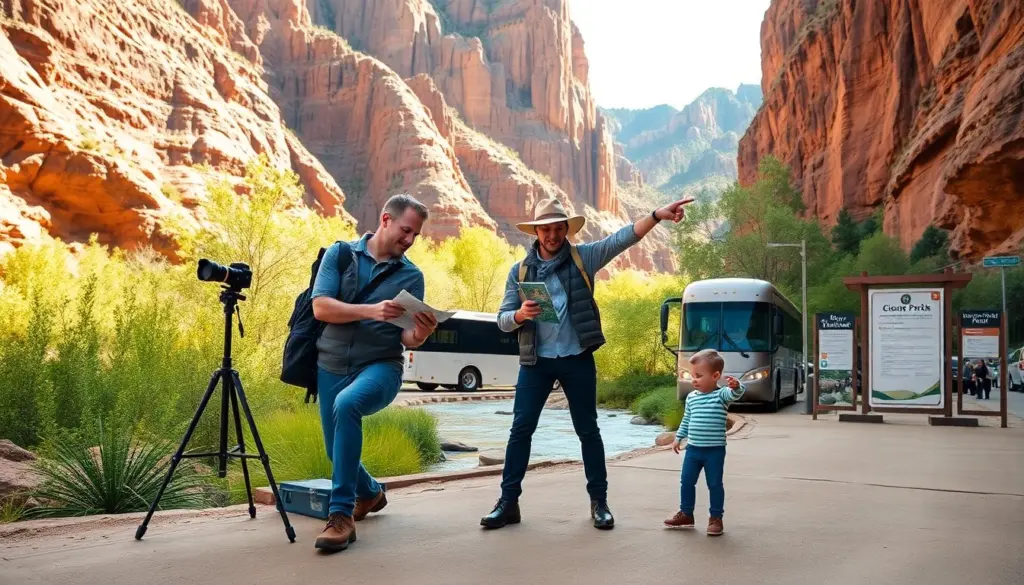
The best time to visit zion national park depends on weather, crowd level, and planned activities. Spring and fall offer mild weather and lower crowd pressure. Summer brings hot temperatures and large crowds. Winter brings cold, fewer visitors, and some trail closures. This guide gives clear seasonal differences and simple timing choices for hikers, photographers, and families.
Key Takeaways
- The best time to visit Zion National Park for mild weather and fewer crowds is in spring (April and May) and fall (September and October).
- Summer brings high heat and large crowds, so early morning hikes and plenty of water are essential during this busy season.
- Winter offers solitude and striking winter scenes but requires traction devices due to icy trails and some closures.
- Hikers and canyoneers should plan according to seasonal access, with spring and fall providing the best balance for major trails and shuttle services.
- Advance reservations for lodging and permits are crucial during peak months to secure access and accommodations.
- Monitoring weather and park alerts is vital for safety, especially regarding flash floods and heat risks during summer.
Quick Seasonal Overview: Weather, Crowds, And What To Expect
Spring (March–May) brings warming temperatures and active water flows. Visitors see green canyon walls and flowing rivers. Spring offers moderate crowds on weekends and holidays. The best time to visit zion national park for shoulder-season balance often falls in April and early May. Trails clear after winter, and shuttle service runs reliably.
Summer (June–August) brings high heat and heavy crowds. Temperatures often exceed 100°F (38°C) on canyon rims and at lower elevations. Visitors should plan early starts and carry water. The park uses a shuttle system, and shuttle lines grow long by mid-morning. Summer is the busiest period for the best time to visit zion national park because families travel and schools close.
Fall (September–November) brings cooling air and smaller crowds. Visitors find stable weather, lower heat, and harvest-time colors. Late September and October offer pleasant daytime temperatures and clear nights. Fall ranks high for the best time to visit zion national park for hikers who want quieter trails.
Winter (December–February) brings cold, light crowds, and occasional snow. The park shows dramatic contrasts with snow on red rock. Some trails close or require traction devices. Winter provides solitude and clear air. Winter stands out as the best time to visit zion national park for photographers who want crisp light and empty overlooks.
Crowd tips: weekdays stay quieter year-round. Early morning starts reduce encounter rates. Reservations and shuttle planning cut wait times during peak months.
Best Time For Specific Activities: Match Season To What You Want To Do
Hikers and canyoneers benefit from season-specific choices. Photographers and wildlife viewers benefit from different light and animal patterns. This section breaks timing down by activity and safety needs.
Hiking, Canyoneering, And Shuttle-Dependent Trails (When To Go)
Spring and fall offer the best balance of weather and access for major hikes. Angels Landing and the Narrows see strong use in those months. The best time to visit zion national park for long ridge hikes often falls in April, May, September, and October. Visitors should check shuttle schedules before travel. The park shifts to mandatory shuttle service in peak months. If visitors want solitude, choose weekdays in early spring or late fall.
Summer increases heat risk on exposed sections. The best time to visit zion national park for canyon runs in summer is early morning. Heat creates dangerous conditions for long exposed climbs. The Narrows attracts water hikers in summer, but flash-flood risk rises with upstream storms. Visitors should check weather and river flow reports.
Winter limits access on some steep trails. Ice forms on narrow switchbacks and on rock steps. The best time to visit zion national park for winter hiking is when routes remain ice-free or when visitors bring traction devices. Canyoneering parties should verify permit rules and winter closures. Permits and guided trips reduce risk for technical canyons year-round.
Practical Planning Tips, Permits, And A Quick Decision Checklist
Plan permits early for technical routes and popular hikes. The park issues permits for canyoneering and for restricted trail entries. Visitors should check the official park site for permit calendars and fees.
Reserve lodging and campgrounds well before peak months. Hotels and camps fill months in advance for spring break and summer. The best time to visit zion national park often requires early reservations if travel dates fall in April, May, June, July, August, or October.
Pack season-appropriate gear. Visitors should carry water, sun protection, and layers in summer months. Visitors should carry traction aids, warm layers, and waterproof footwear in winter. The best time to visit zion national park depends on gear readiness for the chosen season.
Check road and shuttle alerts before departure. The park posts real-time updates for closures, shuttle changes, and trail hazards. Visitors should set a flexible itinerary and build buffer time for delays.
Quick decision checklist:
- If visitors want mild weather and manageable crowds, choose April, May, September, or October.
- If visitors want solitude and winter scenes, choose December through February and bring traction devices.
- If visitors want water hikes and family travel, choose June through August and plan early starts.
- If visitors want photography lighting and bird activity, choose spring mornings or fall evenings.
Safety note: flash floods and heat pose serious risks. Visitors should monitor weather and river conditions. The park rangers enforce restrictions when conditions turn dangerous.