Norway fjords northern lights attract travelers every winter. This guide shows where to go, when to go, and how to capture the aurora over fjords. It explains clear route choices, weather basics, and camera tips. The text stays practical and direct. The reader will find region picks, timing advice, and photography steps they can use on their next trip.
Key Takeaways
- Norway fjords northern lights provide stunning aurora views due to dark skies, minimal light pollution, and reflective waters that enhance the display.
- Tromsø and its surrounding fjords are prime locations for consistent Northern Lights sightings, offering easy access, tours, and reliable infrastructure.
- The best time to see the Norway fjords northern lights is from late September to early April, ideally during new moon phases and clear, stable weather conditions.
- Prepare for cold conditions with layered clothing, warm gear, and safe winter driving when visiting Norway fjords in aurora season.
- Use a tripod, wide-angle lens, and manual settings (ISO 800–3200, shutter 0.5–15 seconds) for optimal Northern Lights photography over the fjords.
- Monitor aurora forecasts and local weather closely, plan flexible trips with spare nights, and consider guided tours to maximize chances of witnessing the Norway fjords northern lights.
Why Norway’s Fjords Are Ideal For Aurora Viewing
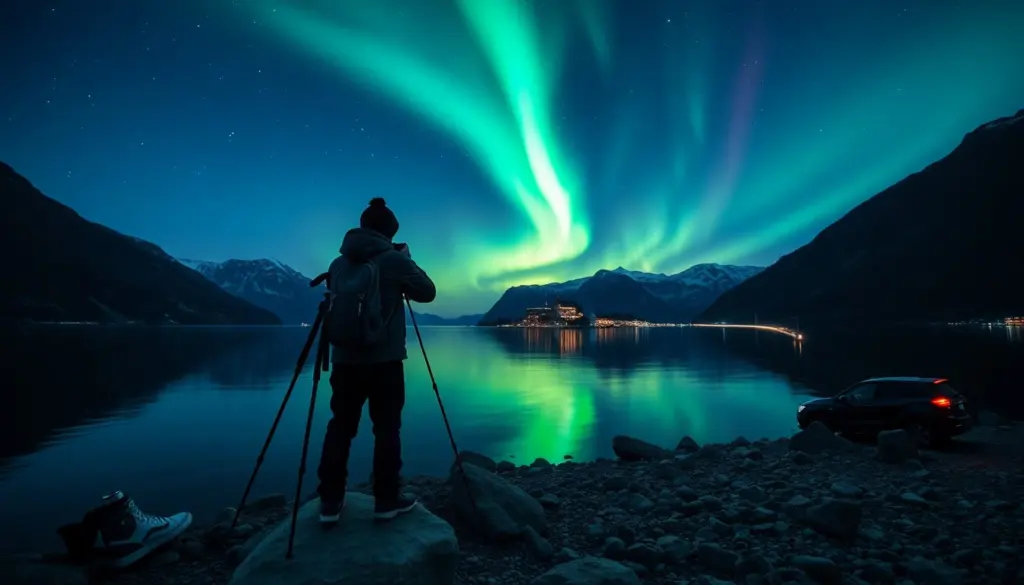
Norway fjords northern lights appear bright over cold water and dark skies. Mountain walls block light pollution and create long horizons. Clear nights over fjords often follow high-pressure systems that settle along the coast. Cold air near the water creates stable seeing that sharpens aurora detail. The fjords give reflections that double the visual impact of the aurora. Local towns sit small and low, which keeps artificial light minimal. Observers can stand on shorelines or take short boat rides for wide, unobstructed views.
Best Fjord Regions To See The Northern Lights
This section lists top fjord areas for consistent aurora sightings. Each area offers distinct access, landscape, and travel ease.
Tromsø And Surrounding Fjords
Tromsø sits inside a ring of fjords and mountains that aid aurora viewing. Tromsø has frequent aurora activity and reliable tour operators. Roads from Tromsø reach quiet fjord arms within 30 to 90 minutes. Night cruises depart the city and offer reflections across calm channels. Tromsø also has good emergency services and winter infrastructure. Travelers can base in the city and chase short, planned drives to darker shores. Local guides track KP index and cloud cover to pick the best fjord each night.
When To Go: Seasons, Moon Phase, And Weather Considerations
Peak season runs from late September to early April. Nights grow longer and darker during winter months. Solar activity follows an 11-year cycle and increases aurora frequency during peaks. Check solar forecasts for active periods before booking. Travel during new moon gives the darkest skies for faint displays. A bright moon still yields strong auroras, but it reduces contrast. Clear skies matter more than exact month. Look for stable high-pressure systems that follow coastal mountain ranges. Plan flexible dates and allow spare nights for clouds.
Practical Planning And Photography Tips For Aurora Over Fjords
Plan for cold nights and layered clothing. Bring a down jacket, insulated boots, hat, and warm gloves. Pack hand warmers and a thermos with a hot drink. Rent a car with winter tires and allow extra driving time for snow and ice. Book a local guide for at least one night to learn local microclimates. For photography, use a tripod and a wide-angle lens. Set camera to manual, open aperture to f/2.8 or wider, and start with ISO 800–3200 depending on camera. Use shutter times of 4–15 seconds for flowing aurora and 0.5–3 seconds for fast detail. Check focus with live view at infinity and mark it with tape. Shoot RAW and bracket exposures by 1–2 stops. Include a shoreline or mountain foreground to add scale. Use a headlamp with a red filter to keep night vision. Charge batteries in inner pockets because cold drains power fast. Monitor aurora forecasts like the Kp index and local cloud maps for the hour ahead. Book flexible lodging that allows late returns. Keep safety gear in the car and tell someone your route if you chase remote fjords at night.