A national park road trip gives travelers direct access to wild places and scenic roads. This guide explains route choices, timing, vehicle prep, packing lists, sample itineraries, and practical tips. It helps readers plan a national park road trip that fits their days, budget, and comfort level. The guide keeps advice clear, actionable, and up to date for 2026 travel.
Key Takeaways
- Plan your national park road trip by choosing parks and routes that fit your trip length and interests, limiting daily drives to 3–4 hours for comfort.
- Select travel dates based on your desired experience, noting summer crowds, spring/fall mildness, and winter solitude, while booking reservations early for popular parks.
- Prepare your vehicle thoroughly and pack essential gear including a first-aid kit, emergency supplies, printed maps, and offline navigation tools.
- Carry safety and emergency items such as a multi-tool, flashlight, emergency blankets, and communicate your itinerary to a trusted contact.
- Follow practical budgeting tips by tracking expenses, camping to save costs, and respecting park etiquette like staying on trails and maintaining quiet hours.
- Use sample itineraries for well-known regions like the Southwest loop, Pacific Coast, or Rocky Mountains to match your trip duration and fitness level.
Choosing Your Route And National Parks For Your Timeframe
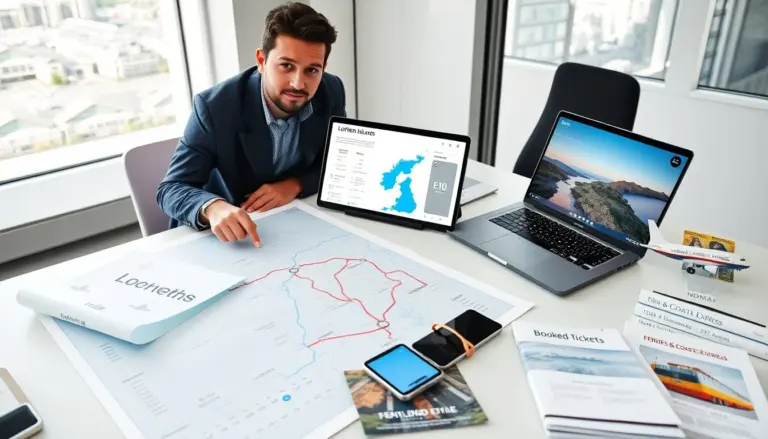
Decide the trip length, then match parks to driving time. For a short national park road trip, pick one park within three hours of a base city so you have time for a longer hike or ranger program rather than just driving. For a mid-length trip, choose two to three parks and limit daily drives to three to four hours—plan morning hikes and afternoon drives to maximize daylight and recovery time. For a long trip, connect parks along logical corridors, like the Southwest loop or Pacific Coast, identifying natural transition points (scenic drives, visitor centers, or campgrounds) where you can stop for rest and resupply.
Practical route planning tips: map driving distances between trailheads, factor in likely stops for fuel and food, and add buffer time for viewpoints and unplanned delays. Consider entry/exit airports and shuttle options if you’re doing a one-way loop. Use elevation profiles to avoid sudden altitude changes that can affect exertion and vehicle performance. Build one flexible day or “zero” day for weather, acclimatization, or a missed reservation—this reduces stress and keeps your itinerary adaptable.
Best Time To Go, Reservations, And Permit Requirements
Choose travel dates that match the desired experience. Summer offers warm weather but higher crowds on a national park road trip, increased competition for campsites, and fuller trailheads. Spring and fall give milder temperatures and fewer visitors in many parks; wildflowers and fall color can be highlights. Winter suits those who want solitude and snow scenes, but some roads and facilities close—check seasonal closures well in advance.
Reservations and permits: many parks require timed-entry reservations for peak months, vehicle permits for specific scenic drives, or backcountry permits for overnight wilderness travel. Day-use reservation systems are common at major parks for high-demand viewpoints and popular trailheads. For backcountry or technical routes, apply for permits as early as the park allows and have alternate dates in case of denial. Always verify fee payment methods (some parks accept only online payment) and reservation modification rules so you can adjust if weather or plans change.
Vehicle Prep And Packing Checklist
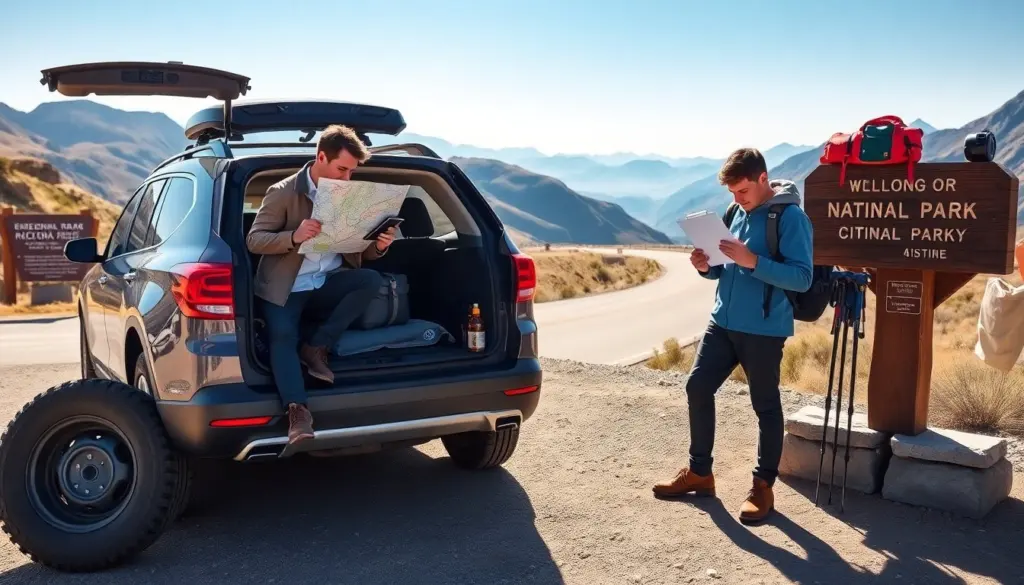
Service the vehicle before a long national park road trip: get an oil change, inspect brakes and suspension, and have the cooling system and belts checked. Check tires for tread and pressure (including the spare), test the battery and lights, and replace worn wipers. If towing or carrying heavy loads, confirm the tow rating and weight distribution. Bring documentation: vehicle registration, insurance, and roadside assistance information.
Packing checklist essentials: printed maps and a paper copy of reservations, a charged portable power bank and car charger, a high-visibility vest and flares or reflective triangles, and a basic repair kit (pliers, screwdrivers, duct tape, zip ties). Mandatory items for many remote trips include at least one gallon of water per person per day, extra nonperishable food, layered clothing for temperature swings, sun protection (hat, sunscreen), and sturdy footwear. For overnight stays add a shelter, sleeping bag rated for expected temperatures, cookware, and bear-safe food storage where required. For long or remote national park road trip legs, consider a roof rack or hitch box to free cabin space and distribute load to maintain vehicle handling. Finally, test all critical gear (tent, stove, satellite communicator) before departure so nothing fails on the road.
Safety And Emergency Gear
Carry a compact first-aid kit and a basic tool kit tailored to your vehicle type and the environment—include spare fuses and essential fluids. Pack a headlamp plus a flashlight with extra batteries, a multi-tool, emergency blankets, a whistle, and a signaling mirror. For remote areas, bring a satellite messenger or personal locator beacon and ensure you understand how to use it.
Navigation and communication: download offline maps before entering no-service zones, save key waypoints (trailheads, campgrounds, ranger stations), and carry paper maps as a backup. Create a simple emergency plan: leave a printed itinerary with a trusted contact, set regular check-in times, and note local emergency numbers and the nearest ranger station. Keep water treatment options (filters or purification tablets) and a small stove for emergency hot drinks. Regularly inspect and replace expired medical and rescue supplies after each trip.
Sample 3-, 5-, And 7-Day Itineraries For Popular Regions
Southwest loop, 3 days (example focus on canyons and viewpoints): Day 1 – Arrive at a regional hub, settle in, and drive to a canyon overlook for a short sunset hike; secure campsite or lodging. Day 2 – Early start for a half-day popular trail (book permit if needed), lunch, then a scenic drive to a nearby park with late-afternoon photography stops. Day 3 – Short morning viewpoint hike, pack and return via a scenic byway with planned fuel and rest stops. Notes: prioritize one challenging hike and several easy lookouts to manage time.
Pacific Coast, 5 days (example focus on coastal drives, wildlife, and forests): Day 1 – Coastal drive with a beach stop and tidepool exploration. Day 2 – Headland hikes, lighthouse visit, and picnic; consider a sunset viewpoint. Day 3 – Inland forest trails, redwood groves or dune walks, and a coastal drive at golden hour. Day 4 – Marine wildlife viewing from shore or a guided tour; reserve spots early for whale-watching season. Day 5 – Final scenic drive with short stops and departure. Notes: watch tides, bring layers for fog and wind, and verify dog rules on beaches.
Rocky Mountain, 7 days (example focus on elevation, lakes, and backcountry): Day 1 – Arrival and low-elevation acclimation walk. Day 2 – Moderate hike to alpine lakes, practice Leave No Trace. Day 3 – Scenic drives and wildlife viewing at dawn/dusk. Day 4 – Backcountry day with permit; rehearse navigation and emergency plans. Day 5 – Rest day for gear check, photography, or ranger program. Day 6 – Higher elevation ridges and passes with early starts to avoid afternoon storms. Day 7 – Leisurely return drive with planned overlooks and departure. Notes: monitor weather closely, expect afternoon thunderstorms in summer, and manage altitude by staying hydrated and pacing hikes.
Adjust these sample itineraries for family travel, accessibility needs, or specialized interests (birding, photography, climbing). For each plan, list alternate activities in case of closures and prebook high-demand services (campgrounds, shuttle buses, guided tours) when possible.
Practical Tips: Budgeting, Navigation Tools, And Park Etiquette
Set a daily budget for gas, food, park fees, and campsites. Track expenses in a simple app or spreadsheet and identify the largest cost drivers—fuel and lodging—and ways to reduce them. Save money by camping, cooking meals instead of eating out, traveling shoulder-season, and sharing fuel costs with travel partners. Consider a fuel-efficient route or slower speeds to improve mileage in long stretches between services.
Navigation tools: use a combination of paper maps, GPS apps, and downloaded offline maps for a national park road trip. Save key coordinates (campgrounds, entrance stations) in multiple formats and test route downloads on your device. Carry a portable battery, car charger, and consider a secondary device for redundancy. For complex multi-park trips, export your route to a dedicated GPS unit and print a simple itinerary with drive times and fuel stops.
Park etiquette and stewardship: follow park rules—stay on trails, pack out trash and food waste, and keep a respectful distance from wildlife. Obey posted fire regulations and use established fire rings where allowed. Keep noise to a minimum at campsites and observe quiet hours; yield to rangers and volunteers and report hazards respectfully. Minimize your footprint by using existing campsites, avoiding the removal of natural objects, and educating travel companions, especially children, about safe wildlife behavior. Practicing these behaviors preserves parks for others and helps maintain accessibility for future national park road trip visitors.