best time to visit yellowstone and grand tetons depends on goals, weather, and tolerance for crowds. Travelers choose months to focus on wildlife, hiking, or solitude. This guide lists clear monthly choices and short tips. It helps readers pick a period that fits their interests and schedule.
Key Takeaways
- The best time to visit Yellowstone and Grand Tetons depends on your priorities: wildlife viewing peaks in late spring and early fall, while summer offers warm weather and full access.
- Spring (May–June) showcases newborn wildlife and waterfalls with fewer crowds but variable road conditions requiring flexible plans.
- Summer (July–August) provides complete trail and road access, ideal for high-elevation hikes, but demands early bookings due to heavy crowds.
- Fall (September–October) features fewer visitors, vibrant fall colors, and prime wildlife activity like elk rutting, with some seasonal closures beginning.
- Winter (December–February) offers snowy solitude and unique photo opportunities via guided tours, though most roads and services are limited.
- Always plan ahead by reserving accommodations early, checking road and weather updates, and packing layered clothing and safety gear including bear spray.
Quick Recommendation: Best Time By Priority (Wildlife, Weather, Crowds)
Travelers often ask about the best time to visit Yellowstone and Grand Tetons. For wildlife, they choose late spring and early fall when animals are more active near lower-elevation valleys and thermal areas. For warm weather and full access, they choose July and August when most trails, roads, and visitor services are operating. For fewer people and fall color, they choose September, which balances mild daytime temperatures and lower overnight occupancy. For snow scenery and solitude, they choose December through February, accepting limited vehicle access in exchange for quiet landscapes. Decide which of those priorities—wildlife, weather, or crowds—matters most to you, then check road opening reports, lodge schedules, and any required permits or entry rules before finalizing dates.
Spring (May–June): Wake-Up Season — Wildlife, Waterfalls, And Variable Roads
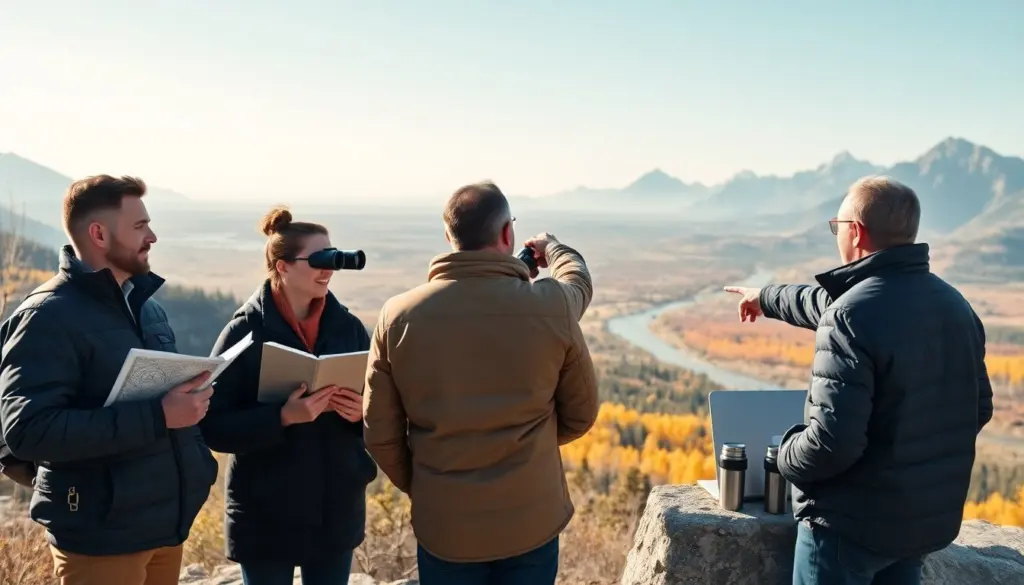
Spring marks the best time to visit Yellowstone and Grand Tetons for newborn wildlife and high waterfall flow. Birds return and elk calves appear in May and June, and river flows swell from snowmelt producing dramatic cascades. Roads and high passes open in stages; lower-elevation routes generally clear first while some mountain roads remain icy or muddy. Because conditions can change quickly, plan shorter day trips without strict timelines and build extra time into driving plans. Bring waterproof boots and a warm shell for chilly mornings, and pack a small spotting scope or binoculars to watch animals from a safe distance. Expect fewer crowds than in summer at popular overlooks, but be prepared for limited services, reduced shuttle schedules, and last-minute route changes announced by park alerts.
Summer (July–August): Warmest Weather And Full Access — Crowds And Planning Ahead
Summer offers the best time to visit Yellowstone and Grand Tetons for full trail and road access, making it the most convenient season for multi-day backpacking, high-elevation hikes, and family trips. Campgrounds and lodges operate at peak capacity and ranger-led programs are frequent. Popular viewpoints and trailheads can become crowded by mid-morning; to avoid the busiest times, start hikes early, consider less-visited trail options, or plan picnic stops away from major pullouts. Reserve campsites, lodges, and any required backcountry permits well in advance and study shuttle or parking alternatives for trailheads with limited parking. Carry bear spray on backcountry routes, follow food-storage rules at campsites, and keep a safe distance from wildlife—animals habituated to people are unpredictable. Also prepare for afternoon storms at higher elevations by carrying a lightweight rain layer and checking afternoon weather forecasts before long hikes.
Fall (September–October): Fewer People, Fall Colors, And Prime Wildlife Viewing
Fall provides quiet roads and strong wildlife movement and makes it a good time to visit Yellowstone and Grand Tetons. Elk begin rutting in September and bulls bugle at dawn, creating memorable wildlife-viewing and photography opportunities; predators can be more active as prey become concentrated near forage areas. Aspen groves and cottonwoods shift color in late September and early October, offering excellent foregrounds for landscape photos. Keep in mind that some visitor services reduce hours after early October and seasonal road closures begin on a rolling schedule. Layer clothing for cool mornings and milder afternoons, and be ready for sudden weather changes. Because fewer people visit, lodging and dining options may be reduced—check availability and plan fuel stops—and always use maps and park alerts to confirm which roads and facilities are open during your dates.
Winter (November–March): Snowbound Beauty, Guided Tours, And Limited Access
Winter offers quiet, snowy landscapes and limited vehicle access and alters how they visit Yellowstone and Grand Teton. Main roads are closed to standard vehicles in many areas, and travel is often by snowcoach, snowmobile, or cross-country skis on designated routes; guided trips provide the safest way to reach thermal basins and wildlife corridors while minimizing impact. Travelers need insulated clothing, layered systems, waterproof boots, and knowledge of cold-weather safety; vehicle chains are sometimes required on approaches and snowshoes are useful for exploring near trailheads. Expect long stretches between open services and limited cell coverage; stock extra food, water, and warm layers. Book guided tours, winter lodging, or transportation early, and confirm road and facility status daily—rangers and visitor centers can advise on current trail conditions and wildlife viewing windows.
How To Choose Based On Your Interests: Wildlife Viewing, Hiking, Photography, Or Solitude
Travelers choose the best time to visit Yellowstone and Grand Tetons by matching season to activity. For wildlife photos and newborn mammals, aim for May–June; for dramatic behavior like rutting and concentrated late-season feeding, choose September. For high-elevation, snow-free hikes and alpine wildflowers, choose July–August; for easy low-elevation walks, late spring and early fall offer mild temperatures. If solitude and winter landscapes matter most, December–February delivers quiet access via guided trips. Photographers should plan for golden hour, scout locations in advance, and bring a mix of wide-angle and telephoto lenses to capture landscapes and wildlife from safe distances. If you want fewer people but still reliable services, consider shoulder seasons (late spring or early fall) which offer a balance of access, wildlife activity, and quieter roads.
Practical Planning Tips: Reservations, Road Access, Packing, And Safety Considerations
Travelers confirm road and lodge status before they travel. They reserve campsites and lodges months ahead for summer dates and check whether timed-entry, shuttle passes, or backcountry permits are required for their plans. Pack layered clothing, waterproof shells, warm hats, and sturdy footwear; include sunscreen and insect repellent for warmer months. Carry bear spray and know how to use it, keep food sealed and stored in approved lockers or vehicles, and follow park rules on wildlife viewing distances. Check park alerts and local webcams for real-time conditions, download offline maps where cell coverage is unreliable, and plan fuel and food stops in advance. Drive defensively, allow extra time for sightseeing traffic, and pull over only at safe, legal turnouts. Finally, consider ranger-led programs, guided wildlife tours, or hiring a local guide for complex routes or winter travel—these options increase safety and can greatly improve wildlife-spotting success.