Visitors often ask which animals that live in Yellowstone they will see. This guide lists key species, where to spot them, and basic safety. It aims to help readers plan short wildlife visits. It uses clear directions and simple tips for better sightings. The focus is on common and ecologically important species across the park’s major habitats—valleys, rivers, lakes, thermal basins, and high alpine meadows—so readers can match likely sightings to places and seasons and enjoy responsible viewing practices.
Key Takeaways
- Yellowstone is home to iconic animals like bison and elk, best seen in Hayden and Lamar Valleys with safe viewing distances maintained.
- Top predators such as wolves and bears play crucial roles in Yellowstone’s ecosystem; visitors should follow safety tips like carrying bear spray and never running from predators.
- Birdwatchers can spot diverse waterfowl and raptors along Yellowstone’s rivers and lakes, with recommended quiet observation using scopes at pullouts.
- Small mammals like ground squirrels, marmots, and beavers contribute to the park’s vibrant wildlife and require patience and quiet to observe, especially at dusk.
- Planning your visit around animal behaviors and habitats enhances your chance to experience the diversity of animals that live in Yellowstone safely and responsibly.
- Respecting wildlife and following park rules protects both visitors and animals, and improves long-term viewing opportunities for everyone.
Iconic Mammals That Define Yellowstone
Bison And Elk: Plains Giants And Rutting Rituals
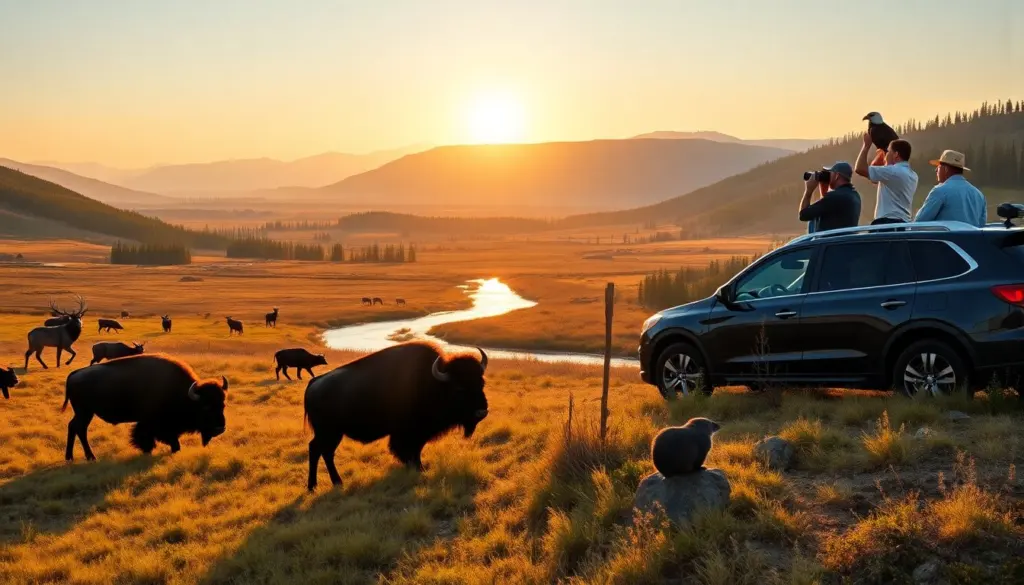
Bison and elk rank high among animals that live in Yellowstone. They graze in valleys and cross roads at dawn. Visitors see large herds in Hayden Valley, Lamar Valley, and near the Madison River. Bison display wallowing and throat-rumbling. Elk perform rutting calls and spar with antlers in September and October. Rangers recommend viewers stay in cars or keep at least 25 yards from bison and 75 yards from bears and wolves. Cameras and binoculars improve viewing while keeping distance.
To increase your chances of sightings, plan early-morning or late-afternoon visits when these ungulates are most active and more visible against open grasslands. Winter can concentrate animals along lower-elevation river corridors where thermal features limit deep snow, offering dramatic scenes of herds with breath steaming in cold air. Always be mindful of road congestion—stops to look at animals should be made in safe pullouts to avoid disturbing the animals or causing hazards for other visitors.
Wolves And Bears: Top Predators, Behavior, And Safety Tips
Wolves and bears shape the park ecosystem among animals that live in Yellowstone. Wolf packs hunt elk and travel along ridgelines. Observers often find wolves in Lamar Valley at dawn and dusk. Black bears appear in forests and feed on berries and insects. Grizzly bears roam meadows and stream banks in spring and summer. Visitors must store food in bear-proof lockers and carry bear spray in bear country. Guides advise that hikers make noise on trails, watch for fresh scat, and never run from a predator. If a bear approaches, observers should stand their ground and speak calmly while backing away slowly.
When viewing wolves from a distance, use spotting scopes and be patient—pack behavior, scent-marking, and pup-rearing are interesting to watch from safe vantage points. For bears, understanding seasonal shifts helps: spring is a time of higher bear activity near meltwater streams and lowland vegetation, while late summer sees bears targeting ripening berries. Follow seasonal trail closures and bear advisories posted by park staff; these are intended to protect both wildlife and people.
Birds And Wetland Species To Spot Around Rivers And Lakes
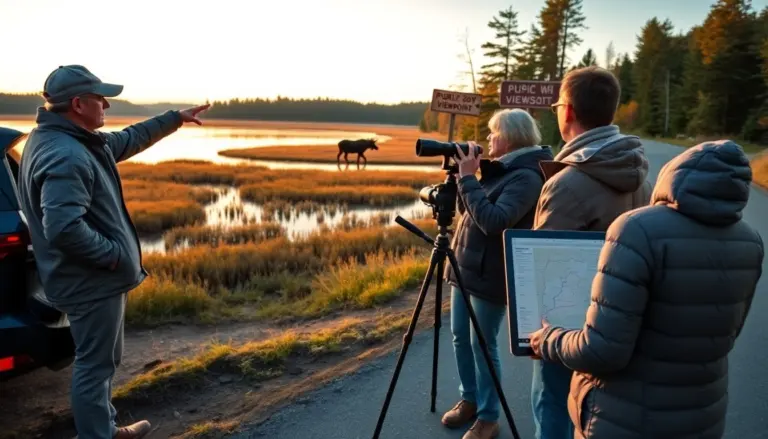
Waterfowl and raptors count among animals that live in Yellowstone. Trumpeter swans nest on quiet lakes and ponds. Bald eagles perch near thermal rivers and swoop for fish. Ospreys fish at open water in summer. Sandhill cranes perform displays on marsh edges in spring. Visitors find waterbirds at West Thumb, Yellowstone Lake, and the Snake River. Shorebirds feed on mudflats after water levels drop. Wetland plants attract ducks and small waders that feed on invertebrates. Birders should use scopes from pullouts and keep voices low to avoid scaring birds.
Timing matters: migratory peaks in spring and fall concentrate species at stopover wetlands, while summer brings courtship displays, nests, and fledglings to watch for. Look for subtle signs like repeated dives, territorial calls, or fishing perches to locate raptors. Wetland areas also support amphibians and insect life that many birds depend on, so quieter observation not only improves viewing but also minimizes disturbance to nesting sites. Consider packing a field guide or app to help identify calls and plumage differences, and record sightings to contribute to citizen-science projects if you wish.
Small Mammals And Rodents: The Unsung Stars Of The Meadow
Ground squirrels and marmots appear among the most common animals that live in Yellowstone. They sit on rocks and warn with sharp calls when predators approach. Pikas live in talus slopes and call frequently in summer. Beavers build dams along quiet streams and shape wetland habitat. Moose calves and deer fawns appear near willow patches in early summer and draw attention from foxes and eagles. Night-shift mammals such as badgers and coyotes hunt small prey after dark. Observers should watch quietly at dusk. Small mammals move fast, so a steady pair of eyes and patience help viewers catch brief moments of activity.
These smaller species are key to the park’s food web: rodents disperse seeds and create burrows that other animals use, while beaver engineering increases wetland complexity that benefits birds and amphibians. To observe them, try low-angle viewing from a concealed spot at meadow edges and use binoculars to avoid trampling vegetation. Respect young animals by keeping distance—approaching nests or dens can provoke parental abandonment. Nighttime sightings are possible with guided programs or by scanning meadow edges at sunset, but avoid flashlight disturbance and follow park rules regarding night use.