They plan trips and search for things to do in Yellowstone National Park. This guide lists top activities, practical tips, and safety rules. It helps visitors choose when to go, where to enter, and what to reserve. It gives clear options for seeing thermal features, watching wildlife, hiking, and driving scenic routes. Readers get concise steps to prepare for a safe and enjoyable visit. Below are expanded, actionable recommendations to turn a short stop into a well-rounded Yellowstone experience, with packing suggestions, timing strategies, and safety reminders that apply year-round.
Key Takeaways
- Planning your visit to Yellowstone National Park involves choosing the best season based on weather and crowds, and securing necessary park passes and permits in advance.
- Don’t miss iconic thermal sights like Old Faithful and Grand Prismatic Spring by visiting early or late to avoid crowds and following trail rules for safety.
- For wildlife watching, head to Lamar and Hayden Valleys at dawn or dusk, keep a safe distance, and never feed animals to ensure a safe and respectful experience.
- Select hikes that match your fitness level, from short thermal area walks to challenging backcountry routes, and always check trail conditions and inform someone of your plans.
- Experience Yellowstone’s beauty via scenic drives along the Grand Loop Road, with planned photo stops at sunrise and sunset at key viewpoints for memorable shots.
Plan Your Visit: When To Go, Entrances, And Permits
When To Go, Weather, And Crowd Patterns
They choose a season based on goals. Summer offers warm weather and full services; trails, visitor centers, and lodges are generally open, but this is also the busiest time, so expect crowded boardwalks at popular thermal areas and limited parking at trailheads. Spring brings intense wildlife activity as animals emerge and migrate, but roads and facilities may still be affected by snow and mud. Fall offers cooler air, colorful foliage near lower elevations, and smaller crowds, making it a great shoulder-season choice for photographers and hikers. Winter gives a dramatically different park with quiet roads accessible by guided snowcoach or snowmobile trips, excellent wildlife tracking opportunities, and a need for specialized gear and reservations. Weather changes quickly at all times of year—pack layers, waterproof outerwear, hat and gloves, and sturdy footwear—and plan flexible daily schedules to reduce stress when conditions shift.
Park Passes, Entrances, Reservations, And Where To Stay
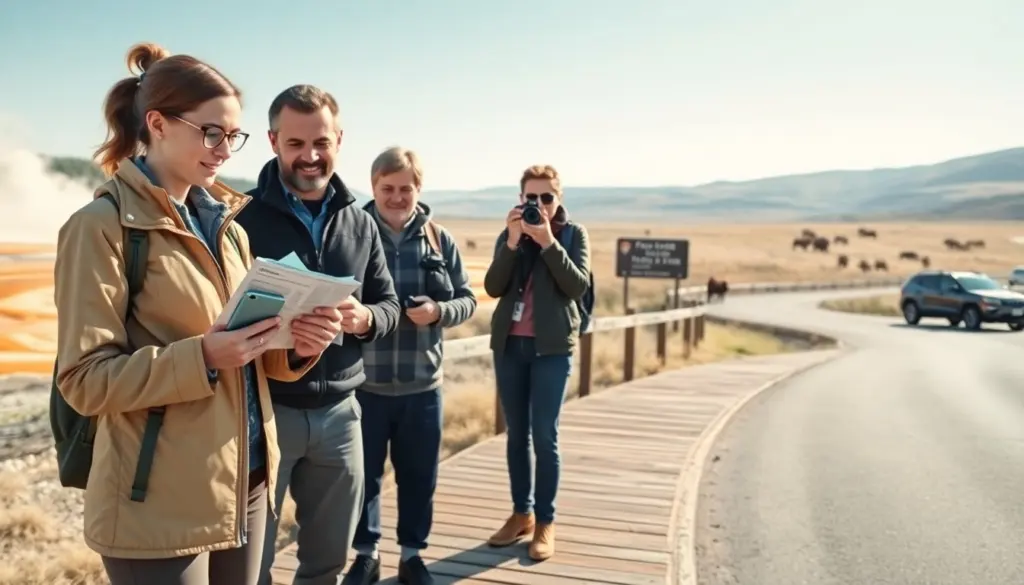
They buy a park pass before arrival and make lodging or campsite reservations as early as possible for peak periods. Confirm entrance locations that best match your routing: West (near West Yellowstone), North (near Gardiner), Northeast (near Cooke City), East, or South (near Grand Teton access). Each entrance offers different proximity to highlights—choose based on your must-see list to reduce in-park driving time. Reserve campsites or historic lodges well in advance for summer travel; consider staying in gateway towns if park lodges are full. For backcountry trips, they obtain required permits and familiarize themselves with quota rules, food storage requirements, and bear-resistant canister regulations. Finally, leave an itinerary with someone outside the park, including planned trails, expected return times, and emergency contact information.
See Iconic Thermal Wonders: Old Faithful, Grand Prismatic, And More
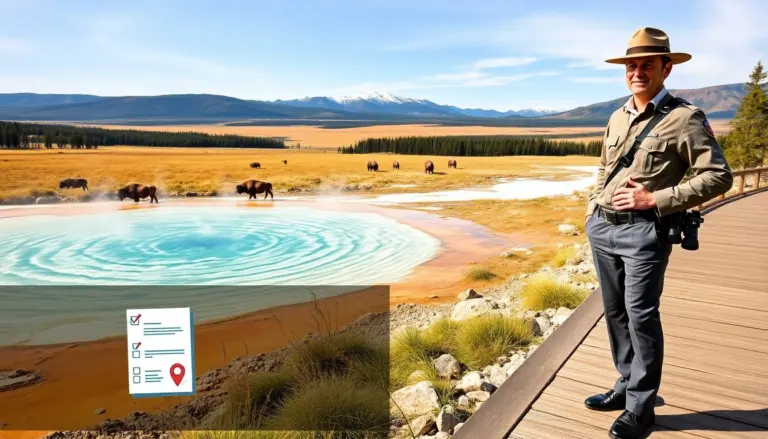
They watch Old Faithful for predictable eruptions—check the current predicted eruption times at the visitor center or on official displays and arrive 20–30 minutes early to claim a vantage point and see the full sequence before and after the burst. Walk the Upper Geyser Basin boardwalks to see pools and smaller geysers, allowing time to pause at thermal features to notice subtle colors and microbial mats while staying on boardwalks to protect fragile ground. Visit the Grand Prismatic Overlook on the Midway Geyser Basin for the best perspective: the overlook requires a short uphill walk and stairs, so wear proper shoes and bring water. Photograph springs in softer morning or late-afternoon light to reduce harsh reflections and crowds. Read on-site signage about temperature and chemistry—thermal features are extremely hot and acidic; respect posted closures, stay on designated trails, and never throw items into pools. Consider visiting lesser-known basins like Gibbon or Firehole River areas for quieter thermal viewing and short walks that still showcase the park’s variety of geothermal activity.
Wildlife Watching: Best Viewing Areas, Times, And Safety Rules
They visit Lamar Valley and Hayden Valley for reliable wildlife sightings—these broad valleys concentrate ungulates and predators at certain times of year. The best viewing windows are typically at dawn and dusk when animals are most active, so plan to be in place before sunrise or after sunset for greater chances of sightings and better light for photography. Bring binoculars and a telephoto lens, and set up at a safe pullout rather than stopping on the road. Always maintain recommended distances: at least 100 yards from bears and wolves, and 25 yards from bison, elk, moose, and other large animals. Keep windows mostly up in congested viewing areas, and never feed or approach wildlife. Use silent observation—turn off vehicle engines if safe, avoid loud voices, and follow ranger instructions. If you encounter a carcass or unusual animal behavior, report it to park staff rather than investigating. For families, choose kid-friendly viewing spots and review wildlife safety rules with children before entering the park.
Top Hikes For Every Level: From Short Walks To Backcountry Routes
They choose hikes by ability and time, balancing distance, elevation gain, and trail conditions. Short, accessible walks—boardwalk loops around thermal basins or easy shoreline strolls at places like West Thumb—are ideal for introductions to Yellowstone’s geology and are family-friendly. Moderate day hikes, such as routes that lead to viewpoints or waterfalls, offer rewarding vistas without overnight planning; carry a daypack with water, snacks, a map, and basic first-aid items. More strenuous hikes, such as summit approaches or long valley traverses, require navigation skills, layered clothing, extra food, and an early start to avoid afternoon weather changes. For backcountry routes, obtain permits, plan for bear-aware food storage, carry a reliable map and compass or GPS device, and be prepared for trail closures due to wildlife or seasonal hazards. Always check current trail conditions and closures at visitor centers before setting out and leave your route and expected return with a trusted contact.
Scenic Drives, Photo Stops, And Sunrise/Sunset Viewpoints
They drive the Grand Loop Road to connect major sights, planning a flexible itinerary that allows time for unexpected wildlife sightings and short interpretive walks. Key photo stops include Artist Paintpots for colorful heated soils, Yellowstone Lake for reflections and waterfowl, and Mud Volcano for dramatic steam and texture. Allow extra time around known wildlife corridors and pullouts; camera setups can take longer than expected, and parking at pullouts is limited during busy periods. Photograph sunrise at Hayden Valley to capture silhouettes of elk or bison against warm light; for sunset, West Thumb and Lake Butte Overlook offer warm tones on water and dramatic skies. Use pullouts to protect yourself and other drivers—never stop in traffic lanes—and keep a roadside kit with water, snacks, warm layers, and a charged phone. Check road reports for closures or construction before departing and factor in slower driving speeds, especially when visibility is reduced or when wildlife is present near the roadside.