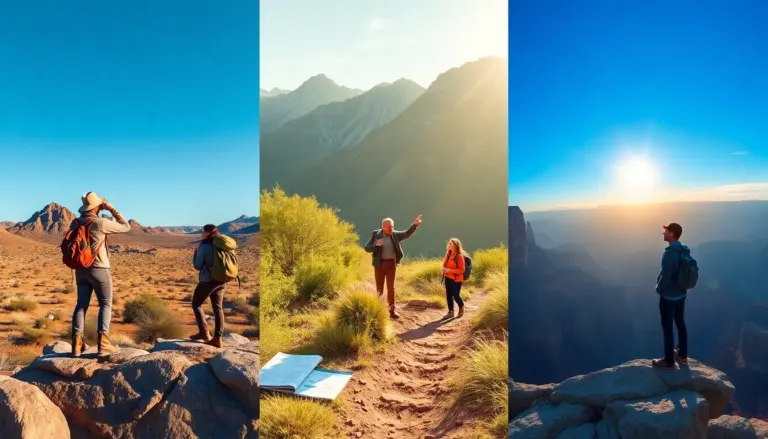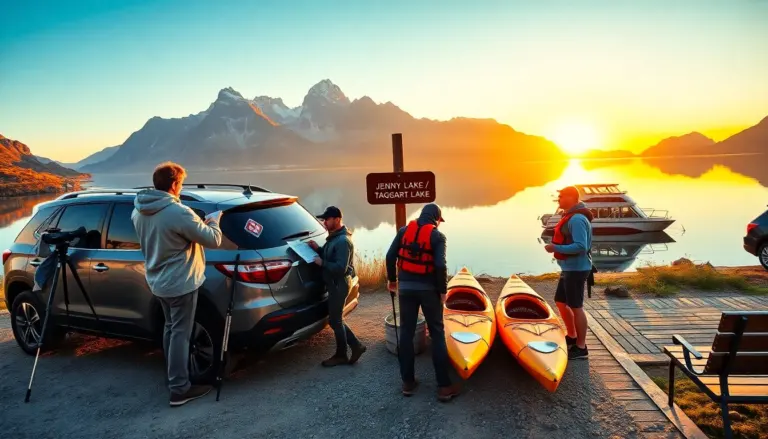
The best national parks in the world attract nature lovers, photographers, and families. This guide lists top parks, explains why they matter, and gives clear travel tips. It keeps facts short and practical. Readers learn where to go, when to go, and what to plan for a safe, respectful visit. Below you will find how parks were chosen, an expanded top-10 list with what to expect at each destination, and practical planning advice to help you make the most of your visit while minimizing impact.
Key Takeaways
- The best national parks in the world are selected based on biodiversity, scenic uniqueness, conservation impact, and quality visitor experiences.
- Top parks like Yellowstone, Serengeti, and Galápagos showcase successful ecosystem protection combined with safe, educational tourism.
- Plan visits by choosing the right seasons for wildlife viewing or hiking and securing permits well in advance for popular parks.
- Responsible travel includes using guides, respecting wildlife, staying on trails, and minimizing carbon footprints to support park conservation.
- Contributions through park fees and donations directly fund anti-poaching measures, habitat restoration, and local community support.
- Packing essentials and preparation are crucial for safe and low-impact visits, especially in remote or fragile park environments.
How We Chose These Parks: Criteria, Conservation Impact, And Visitor Experience
This section states the criteria used to select the best national parks in the world. The team used biodiversity, scenic value, conservation impact, and visitor services. They scored each park on species richness, landscape uniqueness, and protection measures. They weighted conservation impact higher than visitor amenities. They favored parks that support local communities and fund protection work.
To make selections meaningful for readers, the evaluation emphasized multiple dimensions: ecological importance (for example, critical habitats and endemic species), demonstrable conservation outcomes (such as species recovery or habitat protection), and management practices that reduce visitor impact. We looked for parks that combine scientific monitoring, effective enforcement against illegal activities, and long-term planning for climate resilience.
We checked recent research and park management reports. They verified visitor limits, permit systems, and anti-poaching measures. They included parks that show clear results in species recovery or habitat protection. They excluded parks with chronic management failures or severe overtourism.
Assessing conservation impact included reviewing publicly available management plans and documented restoration projects, where possible, and noting partnerships with universities, NGOs, or local communities. Parks that invest revenue into ranger programs, community livelihoods, or invasive-species control received higher marks for long-term stewardship.
They assessed visitor experience through first-hand accounts, guide operator notes, and recent reviews. They favored parks with reliable access, clear signage, safety measures, and trained staff. They noted remote parks with limited facilities, but they kept those that offer high-quality wilderness experiences.
Visitor experience factors also included interpretive resources (visitor centers, guided walks, educational materials), the clarity of rules and communication, diversity of low-impact activities (boardwalks, designated viewpoints, interpretive trails), and infrastructure designed to protect sensitive areas. We highlighted parks with programs that channel tourism revenue back to conservation or local communities.
They tested for seasonal variation. They noted when wildlife viewing peaks and when weather blocks access. They considered carbon footprints and recommended low-impact travel options. They aimed to recommend the best national parks in the world that combine great nature and responsible management.
Finally, accessibility and equity were considered: parks that offer a range of visit options (day trips, multi-day treks, accessible viewpoints) and work to involve or benefit nearby communities ranked higher. Throughout, we tried to balance iconic, well-managed parks with lesser-known reserves that punch above their weight in ecological value.
Top 10 Must-Visit National Parks Around the World (Highlights And Why Each Stands Out)
This list names ten of the best national parks in the world and explains why each stands out. Each entry includes what you can expect to see, recommended activities, access considerations, and conservation notes so you can choose based on interest and travel style.
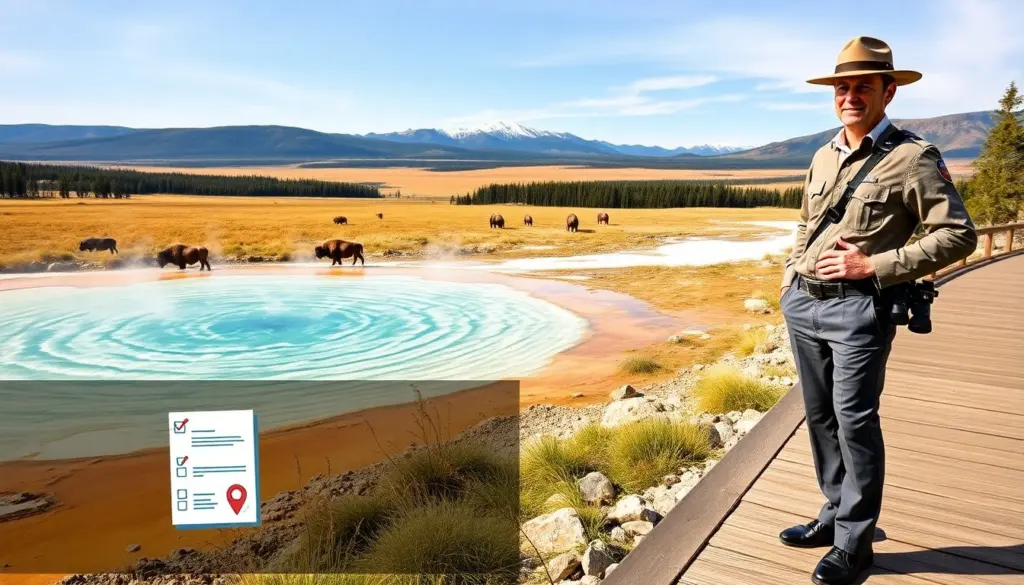
- Yellowstone National Park, USA — Yellowstone ranks high for geothermal features and large mammals. Visitors see geysers, hot springs, bison, wolves, and grizzly bears. Park staff monitor wildlife and enforce safe viewing distances. Yellowstone shows successful ecosystem recovery.
Expect: Active geothermal areas, boardwalks, guided ranger programs, and extensive trail networks. Recommended activities include wildlife watching at dawn or dusk, short nature walks around thermal basins, and scenic drives.
Access and tips: Roads can be seasonal; check closures and be prepared for wildlife-related delays. Follow all safety guidance for thermal features and large mammals. - Serengeti National Park, Tanzania — The Serengeti offers seasonal migration of wildebeest and zebra. Tour operators provide guided game drives that support conservation fees. The park protects vast savanna and predator-prey dynamics.
Expect: Iconic open plains, large carnivores, and migratory spectacles. Best experienced with experienced guides who know animal movement patterns and conservation-sensitive camps.
Access and tips: Travel often involves domestic flights or long drives; combine game drives with community tourism to support local livelihoods. - Banff National Park, Canada — Banff displays alpine peaks, turquoise lakes, and glaciers. Hiking and scenic drives bring many visitors. Park managers balance tourism with wildlife corridors.
Expect: Mountain hikes, lake viewpoints, and winter sports. Popular trails can be busy—consider early starts or less-traveled routes for solitude and better wildlife sightings.
Access and tips: Facilities are well-developed, but avalanche and weather risks exist in shoulder seasons. Respect closures to protect wildlife movement. - Torres del Paine National Park, Chile — Torres del Paine delivers dramatic mountain scenery and glacier views. Trekking routes and refugios manage visitor flow. The park funds habitat restoration.
Expect: Multi-day treks, striking granite towers, and variable weather. Book refugios and permits in advance for peak season and carry appropriate clothing for rapid weather shifts.
Access and tips: Trails can be remote; practice Leave No Trace and choose guided options if unfamiliar with alpine conditions. - Kruger National Park, South Africa — Kruger hosts high large-mammal density and diverse habitats. Self-drive and guided options support local guides. Anti-poaching units operate year-round.
Expect: Classic safari experiences with opportunities for guided night drives, birding, and cultural visits. Accommodation ranges from basic campsites to lodges.
Access and tips: Follow park rules for vehicle corridors and animal interactions. Support certified local guides to ensure safe and informative outings. - Fiordland National Park, New Zealand — Fiordland offers fjords, rainforests, and rare birds. Track maintenance and visitor limits protect fragile areas. Boat and hiking tours reduce shore impact.
Expect: Spectacular water-land interfaces, rainforest ecosystems, and rich marine life. Popular activities include boat cruises, overnight multi-day hikes, and birdwatching for endemic species.
Access and tips: Weather can change quickly—plan extra time for travel and choose operators who follow biosecurity measures to protect native species. - Galápagos National Park, Ecuador — The Galápagos drives evolutionary study and unique species. Park rules restrict visitor numbers and require guides. Revenues fund research and island restoration.
Expect: Close animal encounters, marked visitor sites, and a focus on education. Activities are often guided day tours or liveaboard cruises with strict biosecurity and visitor codes.
Access and tips: Book certified naturalist guides and follow all rules on wildlife interaction and invasive-species prevention to protect fragile ecosystems. - Plitvice Lakes National Park, Croatia — Plitvice shows tiered lakes and waterfalls. Boardwalks protect water and plant life. The park limits access during sensitive seasons.
Expect: Easy-to-moderate walks along wooden boardwalks, panoramic viewpoints, and clear, tiered lakes. Peak-season management focuses on protecting water quality and vegetation.
Access and tips: Visit early in the day or shoulder season for quieter conditions and better light for photography; stay on designated walkways to avoid trampling sensitive shoreline plants. - Yasuní National Park, Ecuador — Yasuní holds extreme biodiversity and indigenous cultures. Conservation programs involve local communities. Researchers document new species regularly.
Expect: Lowland rainforest ecology, high species densities, and community-led conservation initiatives. Travel here is often more expeditionary, with an emphasis on scientific and community engagement.
Access and tips: Visits often require permits and coordination with community groups or research stations; ensure your visit supports local conservation and respects indigenous rights and knowledge. - Jasper National Park, Canada — Jasper features dark-sky reserves, glaciers, and alpine meadows. The park promotes stargazing and low-light policies.
Expect: Quiet wilderness, opportunities for long hikes, glacier viewpoints, and excellent night-sky viewing. Interpretive programs and astronomy events enhance the visitor experience.
Access and tips: Combine day hikes with guided nighttime programming where available, and follow low-light recommendations to protect nocturnal wildlife and dark-sky quality.
Visitors can choose parks for wildlife, geology, solitude, or cultural value. Each park on this list ranks among the best national parks in the world because it protects key species, offers strong management, and delivers memorable experiences. When selecting a destination, weigh your priorities—accessibility, level of comfort, conservation contribution, and the type of nature experience you want (e.g., wildlife viewing, backcountry trekking, or interpretive learning).
Planning Your Visit: Best Times, Permits, Responsible Travel, And Practical Tips
This section gives clear planning advice for visiting the best national parks in the world. Thoughtful preparation improves your safety, enjoyment, and the conservation outcomes of your visit.
Choose the best time by matching goals to seasons. Seek wildlife viewing in migration or breeding seasons. Seek hiking in dry months. Check local park calendars for closures.
Seasonality details: Consider shoulder seasons for fewer crowds and lower impact, but be prepared for variable weather. High season typically offers the most services but also the greatest visitor pressure; low or shoulder seasons can offer better solitude and different wildlife behaviors.
Check permit rules early. Many top parks use timed entries, quotas, or advance permits. Apply months ahead for high-season dates. Keep digital and printed copies of permits.
Permit nuances: Some parks require guided-only access to delicate zones, timed entries to manage daily numbers, or special research/photography permits for professional use. Confirm cancellation and refund policies for permits and bookings.
Pack for safety and low impact. Carry layered clothing, first-aid supplies, water purification, and a map. Use reusable containers and pack out all trash. Follow park rules on food storage to avoid wildlife conflicts.
Packing checklist suggestions: sturdy footwear, rain shell, hat, sun protection, insect repellent appropriate to the region, spare batteries/power bank, and a lightweight trash bag. For remote treks add a reliable stove, emergency shelter, and a means of communication.
Book guides when rules require them or when guides improve safety and sightings. Guided visits often include conservation fees that support park work. Choose local guide services to support nearby communities.
Choosing a guide: Verify certifications or park endorsements, ask about group sizes and conservation contributions, and prefer operators who provide interpretive context about ecology and local cultures.
Respect wildlife by keeping distance and using quiet movement. Stay on marked trails to protect plants and soil. Avoid feeding animals and do not collect plants or artifacts.
Practical wildlife etiquette: Use binoculars or telephoto lenses to observe, move slowly and predictably, and yield to wildlife when on trails. If an animal is showing signs of stress, give it more space and retreat slowly.
Travel by low-impact methods when possible. Use public transport, shared shuttles, or group tours to reduce emissions. Offset unavoidable flights through verified carbon programs.
Low-impact transport tips: Combine transfers and internal travel to reduce repetition, pick operators with clear sustainability policies, and consider longer stays to lower per-day travel emissions while deepening your connection with a place.
Prepare for limited services in remote parks. Bring extra food, cash, and spare batteries. Confirm mobile coverage and emergency contacts before travel.
Health and safety planning: Know altitude risks, vaccination recommendations, and local emergency procedures. Share your itinerary with someone who can raise an alarm if you do not return on schedule.
Buy park passes or donate at park centers. Contributions help anti-poaching, habitat restoration, and local education. Visitors who plan and follow rules help these places stay among the best national parks in the world.
Finally, consider ways to extend the positive impact of your visit: volunteer with reputable conservation programs, purchase locally made crafts or services, and spread awareness about responsible park visitation. Thoughtful planning and respectful behavior ensure these parks remain thriving landscapes for future generations.