This guide lists things to do in Joshua Tree National Park for first-timers and repeat visitors. It covers planning tips, top hikes, scenic drives, short walks, and night activities. The guide gives clear safety and camping steps. It aims to help visitors make firm plans and enjoy the park safely. Use this as a practical companion for things to do in Joshua Tree National Park, whether you have a few hours, a full day, or several nights to explore.
Key Takeaways
- Planning ahead for Joshua Tree National Park, including packing water, sun protection, and checking weather, ensures a safe and enjoyable visit.
- Hiking in Joshua Tree offers diverse trails showcasing desert landscapes; start early, carry enough water, and follow marked routes to protect nature.
- Scenic drives and short walks like visiting Keys View and Barker Dam provide stunning desert views and wildlife spotting opportunities.
- Night activities, including stargazing and ranger-led programs, highlight the park’s clear dark skies and unique nighttime environment.
- Camping requires reservations, adherence to fire restrictions, proper food storage, and awareness of safety risks such as heat and wildlife.
- Following park rules, Leave No Trace principles, and informing others of your hiking plans enhance overall safety and preserve Joshua Tree’s natural beauty.
Essential Visitor Tips Before You Go
Visitors should plan travel time and park entry in advance. They should pack water, sun protection, and layered clothing. The park hosts hot days and cool nights, so visitors must check forecasts. People should carry maps and a charged phone. They should register pets and follow park rules. The list of things to do in Joshua Tree National Park includes short walks, long hikes, and scenic drives. Visitors should arrive early to secure parking at popular trailheads. The park charges an entrance fee, and passes may speed entry. Travelers should avoid off-trail driving and protect natural features. People must follow Leave No Trace rules and pack out trash. Visitors should know the nearest medical facility and cell coverage limits. They should tell someone their route before they hike. Park rangers offer current trail conditions and safety alerts. Visitors should bring headlamps for early starts or late returns. They should store food properly at campsites to avoid wildlife issues.
Practical pre-trip checklist:
- Water and hydration: bring more than you expect to need and plan for limited refill opportunities.
- Sun and heat protection: hat, sunscreen, UPF clothing, and sunglasses; consider sun sleeves or a lightweight umbrella for long midday exposure.
- Navigation and communication: paper map of the park, compass or offline maps, and a fully charged phone with a power bank.
- Footwear and clothing: closed-toe hiking shoes with good traction and layers for temperature swings after sunset.
- Permits, passes and reservations: confirm campground availability and any required permits for special activities.
Timing and access notes: aim to arrive before 9 a.m. for popular trailheads in warmer months, and consider midweek visits to avoid crowds. If you have limited time, plan a half-day itinerary (short hike + scenic viewpoint) rather than attempting multiple long routes. Check seasonal closures and posted warnings at the park entrance or ranger stations before heading into remote areas.
Top Hikes That Showcase Joshua Tree’s Landscapes
Hikers will find desert flats, boulder fields, and juniper-studded ridges. The list of things to do in Joshua Tree National Park centers on varied trail options. Hikers should match trail length to fitness and heat. They should start hikes early in warm months. The park posts trail maps at entrances and online. Hikers must carry at least two liters of water per person for short hikes and more for long hikes. Trails show native plants and rock formations. Hikers should avoid climbing on fragile plant areas. They should keep a steady pace and rest in shade when needed. Photographers will find sunrise and late afternoon light especially good. Hikers should note that some paths use cairns and others use faint footprints. They should treat route-finding as part of the hike and slow when needed.
Suggested hikes to consider (choose by time and ability):
- Short and family-friendly: Barker Dam and Cap Rock loops — these provide interpretive signs, cultural history, and easy terrain.
- Moderate day hikes: Hidden Valley and Ryan Mountain — both offer varied scenery, rock formations, viewpoints, and great photo opportunities for sunrise or late afternoon.
- Longer or more remote outings: Lost Horse Mine area and Boy Scout Trail sections — allow for more solitude and varied terrain; bring extra water and plan your exit before dark.
Trail safety and route tips: read trailhead signs for distance and elevation gain, stick to marked routes, and avoid shortcuts over sensitive soils and plants. If route-finding becomes difficult, stop, reassess, and backtrack as needed. In hot weather, limit exertion between mid-morning and late afternoon and look for shaded rest spots. Let someone know your planned trail and expected return time.
Scenic Drives, Viewpoints, And Short Walks
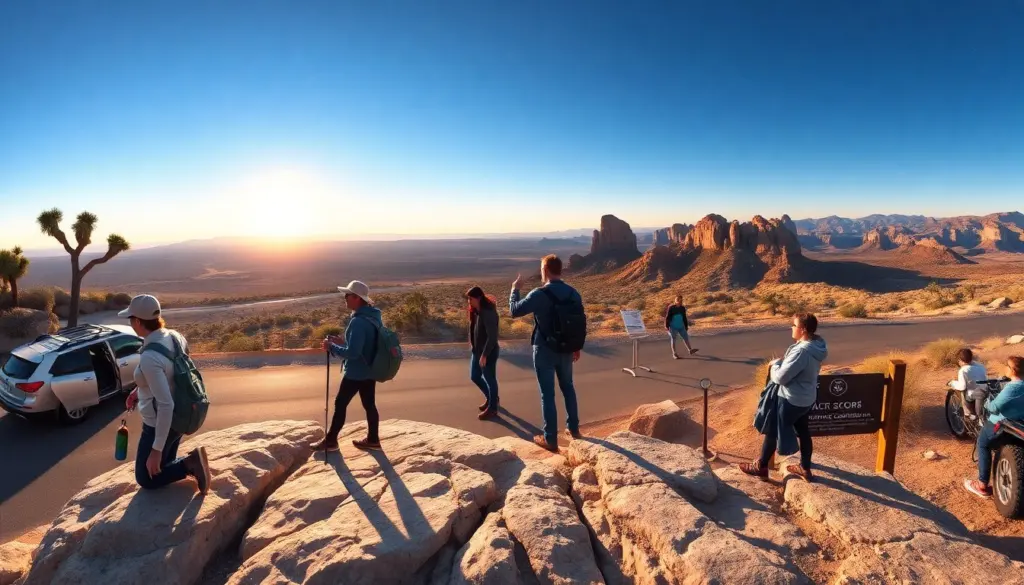
Drivers will enjoy long desert views on Park Boulevard and Pinto Basin Road. The list of things to do in Joshua Tree National Park includes short pullouts and vista stops. Visitors should stop at Keys View for a clear view of the Coachella Valley and San Andreas Fault. They should visit Barker Dam for a short loop and chances to see birds and historical sites. Walkers will find easy trails at Cap Rock and Cholla Cactus Garden. Visitors should walk slowly near cacti and watch where they step. Drivers should allow extra time for stops and photos. They should keep windows up near busy roads to protect wildlife. The park offers marked points for sunrise and sunset viewing. Visitors will find interpretive signs at many viewpoints that explain geology and plants. They should plan drives late in the day to avoid midday heat and to catch better light for photos. The park also allows short, self-guided nature walks that take less than an hour.
Recommended scenic-drive itinerary for a half-day visit:
- Start on Park Boulevard, stop at Cap Rock for a short walk.
- Continue to Barker Dam for the loop and interpretive panels.
- Drive toward Keys View for panoramic vistas near sunset.
Short walk and accessibility notes: many short trails have gravel or packed surfaces; some viewpoints and picnic areas are accessible or have nearby parking, but terrain can still be uneven. Use caution on roadside pullouts and obey posted signs. Binoculars are useful for birding and spotting distant desert wildlife from overlooks.
Night Sky, Camping, And Safety Essentials
Campers will find developed campgrounds and backcountry sites across the park. Stargazing ranks high on lists of things to do in Joshua Tree National Park. The park offers dark skies and clear views on many nights. Campers should reserve sites where possible and follow campground rules. They should use red lights at night to protect night vision and limit disturbance. Campers must store food in vehicles or lockers where provided. They should check fire restrictions before lighting any fire. Safety notes highlight heat, flash floods, and rattlesnakes. Campers should monitor weather and avoid washes during storms. They should pack a first-aid kit and know basic first-aid steps. Visitors should carry extra water when they camp or hike at night. Rangers run evening programs and stargazing events at select locations. These programs give context for constellations and park history. Campers should leave campsites clean and quiet for other visitors.
Practical camping tips:
- Reserve early for peak seasons and have a backup plan if campgrounds are full.
- Arrive with fuel and supplies—services near the park are limited and may be far from some campgrounds.
- Use headlamps with red-light mode for nighttime tasks and avoid bright white lights that disturb wildlife and other campers.
- Store food and scented items securely to reduce wildlife encounters; never feed or approach animals.
- Be aware of desert hazards: check for scorpions, snakes, and biting insects around sleeping areas and shake footwear before use.
Night-sky etiquette and safety: keep noise to a minimum during evening hours, avoid bright lights when stargazing, and use apps or printed charts if you want to identify stars and constellations. If you plan night hiking or photography, make sure you have adequate lighting, extra batteries, and a route you are comfortable with during darkness.
Final reminders: follow Leave No Trace principles, obey all park regulations, check for seasonal advisories before you travel, and respect cultural and natural resources. With good planning, the many things to do in Joshua Tree National Park can be safe, memorable, and inspiring for all visitors.