Visitors find a clear list of things to do in Grand Teton National Park in this guide. It lists drives, hikes, wildlife tips, water activities, and planning advice. The guide aims to help visitors pick activities, plan time, and stay safe. It uses simple steps and direct language to speed decisions and reduce uncertainty. Below each section are practical suggestions—gear to bring, expected conditions, and small tweaks to make a day in the park more enjoyable and less stressful.
Key Takeaways
- Scenic drives like Jackson Hole Road and Teton Park Road offer iconic viewpoints and photo opportunities in Grand Teton National Park.
- Hiking options range from easy loops like Taggart Lake to challenging routes, with preparation essential for safety and enjoyment.
- Jenny Lake’s shuttle boat improves access to popular spots like Hidden Falls and Inspiration Point for half-day visitors.
- Wildlife watching is best at dawn and dusk, with strict safety rules including maintaining distance and carrying bear spray.
- Water activities are popular but require permits, safety gear like life jackets, and respect for cold water and fragile ecosystems.
- Planning ahead for seasons, permits, parking, and checking park alerts enhances the overall experience in Grand Teton National Park.
Scenic Drives, Viewpoints, And Photo Stops
Jackson Hole Road (U.S. 191/287) delivers many of the classic things to do in Grand Teton National Park. Visitors stop at viewpoints like Snake River Overlook and Oxbow Bend for sunrise shots. They drive the Teton Park Road for closer mountain views and roadside pullouts. They pause at Schwabacher Landing for reflections and calm water photos. They plan short stops every 15–30 minutes to avoid rushed shots. They bring a tripod, polarizer, and a warm layer for dawn. They expect wildlife near road edges and keep distance.
Beyond the well-known pullouts, allow time for less-crowded stops — small trailheads and riverside clearings often reward patience with quiet reflections and unique angles. Consider a mid-day loop that includes Menors Ferry and the elk refuge perimeter for varied subjects. If you plan to shoot at dawn or dusk, arrive 20–30 minutes early to set up and scout compositions; permit parking limits and shuttle timelines can affect where you park, so check signage before leaving your vehicle.
Best Hikes For Every Skill Level
The park lists hikes for all fitness levels among the top things to do in Grand Teton National Park. Visitors pick short walks, moderate day hikes, or long ridge routes. They check trail length, elevation gain, and weather before they go. They carry water, snacks, a map, and a whistle. They start early for cooler temps and quieter trails. They respect seasonal closures and follow posted signs. They use proper footwear and layer clothing. They expect changing weather and plan extra time for stops and photos.
For short options, look for loop trails and interpretive paths that are family-friendly and often wheelchair-accessible near visitor centers. Moderate hikes typically include steady elevation and require 2–6 hours; bring extra hydration and trekking poles if you are unsure about footing. For longer, technical routes consult trail descriptions at the visitor center and consider a hiking partner. Regardless of distance, leave an itinerary with someone, note estimated return time, and check trailhead bulletin boards for recent trail conditions or wildlife advisories.
Jenny Lake: Hidden Falls & Inspiration Point (Half-Day Option)
Jenny Lake ranks high among recommended things to do in Grand Teton National Park for a half-day trip. Visitors take the shuttle boat across the lake to save 2 miles of walking. They hike to Hidden Falls, then climb to Inspiration Point for panoramic views. They move at a steady pace and stay on marked trail. They bring a light jacket and water. They watch for moose near the shore and give animals space. They use the visitor center for maps and current trail conditions.
Timing matters: taking the first shuttle or arriving early on foot reduces crowding at the falls and provides cleaner photos. If you skip the boat, add an extra hour for the lakeshore walk. The trail surfaces vary—expect rocky sections and tree roots—so sturdy shoes are helpful. Picnic on the lakeside benches or short meadows, but secure food and trash; bear activity can change routes and closures on short notice.
Taggart Lake Loop — Easy Family Hike With Big Views
Taggart Lake Loop makes the list of things to do in Grand Teton National Park for families and beginners. Visitors start at the Taggart Lake trailhead and follow a loop with limited elevation. They reach a lake with clear mountain reflections in under two hours. They pack snacks and sun protection for kids. They keep dogs on leash where rules require it. They stop at viewpoints rather than rushing to the end. They leave no trace and carry out all trash.
For families, bring a small first-aid kit, extra layers for children, and simple trail games to keep younger hikers engaged. The trail is well-marked but can be muddy early in the season—waterproof footwear is useful. Time the hike to avoid peak afternoon heat in summer and consider combining Taggart Lake with nearby short trails for a half-day outing that includes playground-style exploration for children.
Wildlife Watching: When, Where, And How To Stay Safe
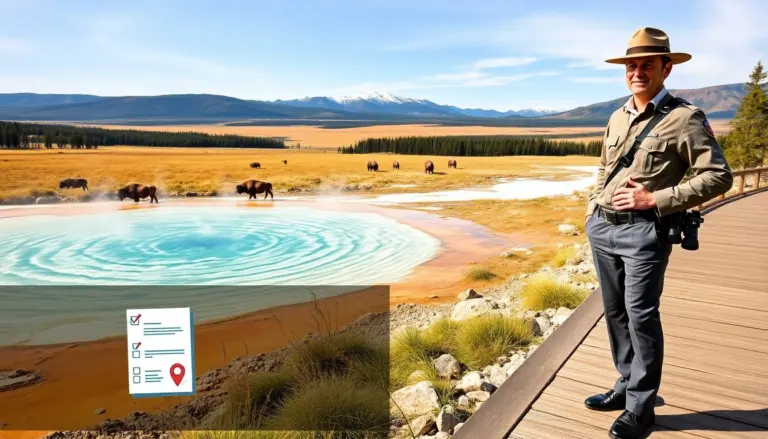
Wildlife viewing ranks among the best things to do in Grand Teton National Park. Visitors look for elk and moose at dawn and dusk in low meadows. They scan riverbanks for otters and beavers in morning light. They watch for bears and bison along trail corridors and in open fields. They use binoculars or a zoom lens and stay at least 100 yards from bears and wolves and 25 yards from other large animals. They store food in vehicles or bear boxes. They make noise on noisy trails and carry bear spray where allowed.
Plan wildlife outings with patience: park where allowed and use a long lens or spotting scope rather than approaching animals. Learn the difference between alert and aggressive behavior—if an animal changes posture or vocalizes, retreat calmly and slowly. Keep pets leashed and avoid leaving food unattended at trailheads or campsites. Review park-specific guidance on bear spray use and storage, practice using the canister before you need it, and be aware that wildlife viewing can lead to traffic jams—pull completely off the roadway where permitted to let others pass.
Water Activities: Boating, Kayaking, Fishing, And Swimming
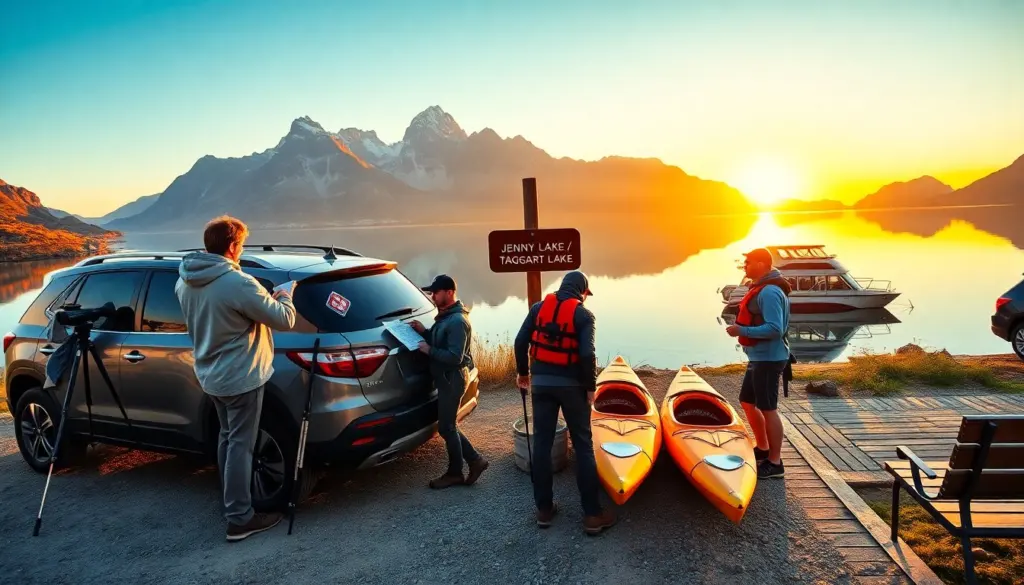
Water recreation ranks high among seasonal things to do in Grand Teton National Park. Visitors rent kayaks or canoes at Jenny Lake and Jackson Lake marinas. They check permit rules for motorboats and register watercraft where required. Anglers follow state fishing regulations and use proper licenses. Swimmers use caution: lake water stays cold even in summer and currents exist near inlets. Visitors wear life jackets for all non-swimming craft. They respect fragile shoreline plants and avoid landing at closed beaches.
Before you launch, check weather forecasts and wind conditions; afternoon winds can make flat water choppy and more difficult for small craft. Carry a waterproof pack with extra layers, a whistle, and a small first-aid kit. For fishing, know the catch-and-release guidelines and seasonal restrictions that apply to different lakes and streams. If planning a boat day, bring a bilge pump or bailer, proper anchor equipment, and check for any seasonal closures or required registrations at the marina or visitor center.
Planning & Practical Tips (Seasons, Permits, Parking, And Safety)
Visitors should plan for seasons when they list things to do in Grand Teton National Park. Summer brings full services but crowded lots. Spring opens wildflowers and bird migration. Winter offers quiet roads and groomed ski trails. They check park alerts for closures and bears. They book campground and permit reservations early. They arrive before dawn for limited parking and use shuttle services where offered. They carry a paper map when cell service is weak. They follow Leave No Trace and emergency contact instructions.
Additional planning tips: confirm gate and visitor center hours for the dates you visit, and check the park’s calendar for ranger programs or guided walks that add value without extra planning. If you need permits—for overnight backcountry use, group activities, or special commercial services—apply well in advance and carry documentation. For parking, if lot capacity is limited, identify nearby legal overflow or shuttle options before you arrive. Pack layers for temperature swings, bring sunscreen and a hat, and know basic navigation skills if you plan off-trail travel. Finally, register your backcountry or overnight plans with park staff when required and review local emergency procedures before you set out.