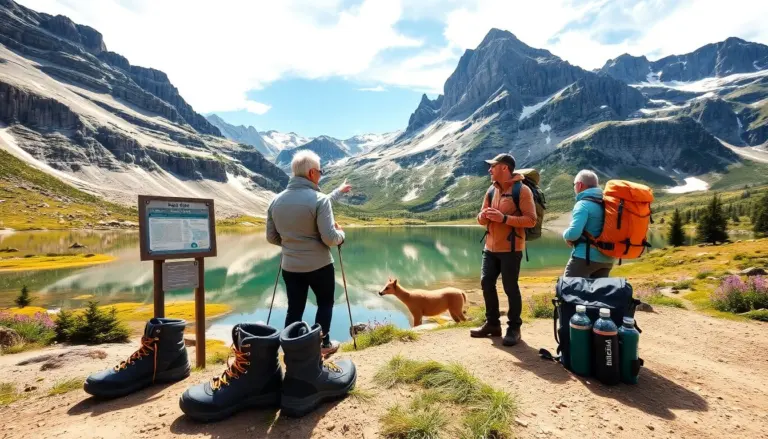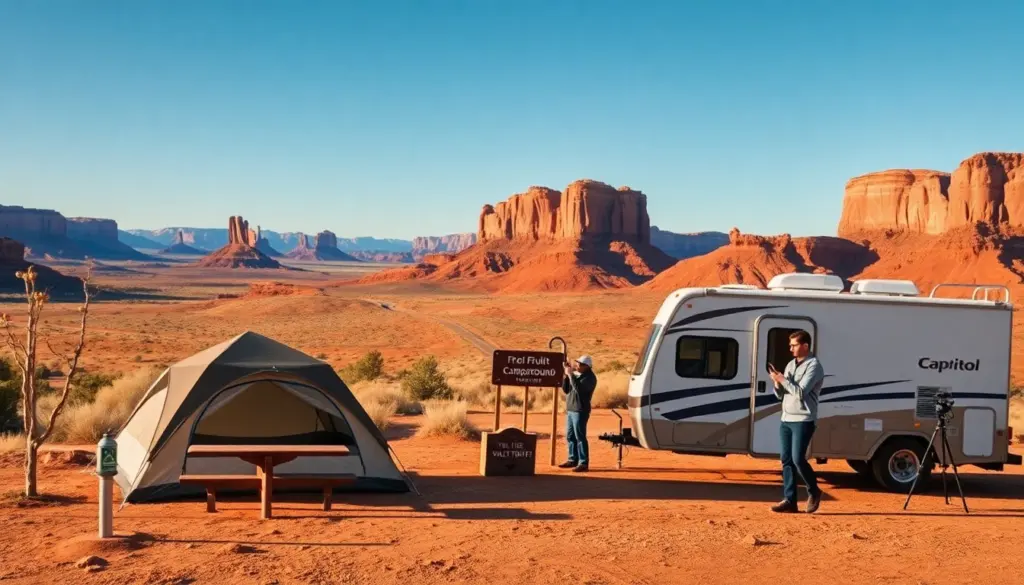
Capitol Reef national park camping offers quiet red-rock camps, apple orchards, and wide desert skies. This guide explains where to sleep, how to reserve, and what to do from camp. It focuses on practical details for first-time and returning visitors. Read on to plan safe, legal, and enjoyable Capitol Reef national park camping trips in 2026.
Key Takeaways
- Capitol Reef National Park camping offers diverse options including frontcountry, primitive, and dispersed sites to suit different preferences and vehicle types.
- Fruita Campground is the main frontcountry site with amenities like potable water and toilets, but reservations are essential due to high demand during peak seasons.
- Backcountry and primitive camping require preparation for rough roads and adherence to strict leave-no-trace principles to protect the environment.
- Planning ahead is critical: most campsites require reservations or permits, and campers should carry both digital and paper confirmations.
- Pack for desert conditions with ample water, sun protection, warm layers, and safety gear to handle wide temperature swings and remote areas.
- Capitol Reef camping provides easy access to scenic hikes, drives, orchards, and excellent stargazing, making it ideal for nature lovers and solitude seekers.
Why Camp At Capitol Reef — What Makes It Special
Capitol Reef national park camping rewards campers with close views of folded sandstone, quiet star fields, and historic orchards. The park sits in south-central Utah. It sits between the high plateaus of Bryce and the hoodoos of Goblin Valley. Campers find variety here. They find small frontcountry campgrounds and remote primitive sites. The park hosts spring wildflowers and fall colors. It also hosts low visitation compared with some nearby parks. Visitors who choose Capitol Reef national park camping often seek solitude, short trail access from camp, and low-light night skies.
Campground Options: Frontcountry, Primitive, And Dispersed Sites
Capitol Reef national park camping offers three main site types. Frontcountry sites include facilities and drive-up parking. Primitive sites require a short hike or rough road. Dispersed sites sit outside park boundaries on BLM land. Campers should match gear and vehicle to site type. They should pick frontcountry if they want toilets and picnic tables. They should pick primitive for solitude and closer-to-trail access. They should pick dispersed for complete seclusion. Each option has distinct rules on campfires, group size, and length of stay.
Fruita Campground — Amenities, RV Rules, And Peak Seasons
Fruita Campground serves as the main frontcountry site for Capitol Reef national park camping. It offers potable water, vault toilets, picnic tables, and a small dump station nearby. The campground accepts tents, trailers, and most RVs, but rigs over 30 feet should check site length. Generators run on restricted hours. Pets must remain on leash. Peak season runs from late spring through early fall. The campground fills quickly during holiday weekends and apple-picking season. Campers should reserve early or arrive midweek for best chances.
Backcountry And Primitive Camping — Road Access, Campsite Etiquette, And When To Go
Backcountry and primitive options expand choices for Capitol Reef national park camping. Some primitive spots sit along dirt roads that require high-clearance or four-wheel drive. Hikers can also use established backcountry sites reached by trail. Campers must camp at least one mile from maintained water sources in some areas. They must practice leave-no-trace. They must bury human waste at least six inches deep and 200 feet from trails and water. Spring and fall offer the most stable weather. Summers bring heat and limited water. Winter brings cold and occasional snow.
Reservations, Fees, And Permit Requirements — Step-By-Step
Capitol Reef national park camping requires planning for most stays. Fruita Campground uses the park reservation system. Campers should book via the official site or the park phone. Fees vary by site type and season. Backcountry camping often requires a free or low-cost permit that the park issues at the visitor center or online. Dispersed camping on BLM land follows BLM rules and may not require a permit. Campers should pay fees, display permits, and confirm check-in times. They should carry digital and paper copies of reservations and permits.
Packing, Weather, And Safety Tips For Desert Camping
Packing for Capitol Reef national park camping calls for sun protection, layers, and extra water. The park sits in a high desert. Temperatures swing widely between day and night. Campers should bring at least one gallon of water per person per day, sun hat, sunscreen, and a warm jacket for night. Campers should secure food in approved containers or vehicles to avoid attracting wildlife. They should carry a map, flashlight, and first-aid kit. They should check road conditions and weather forecasts before driving on dirt roads. They should tell someone their route and return time.
Best Hikes, Scenic Drives, And Activities To Do From Your Campsite
Campers can use Capitol Reef national park camping as a base for short hikes, scenic drives, and orchard visits. The Capitol Gorge trail offers dry waterfalls and historic inscriptions close to Fruita. The Hickman Bridge trail rewards hikers with a natural arch in moderate time. Scenic drives include the Capitol Reef Scenic Drive and the unpaved Cathedral Valley Road for high-clearance vehicles. Campers should plan day trips to the Fremont River for shade or to the orchards for seasonal fruit picking. Nighttime brings excellent stargazing and quiet walks near camp.