Camping in Olympic National Park draws hikers, families, and beachgoers each year. The park offers beaches, temperate rainforests, alpine areas, and extensive backcountry trails that together create a wide range of camping experiences—from tent camping on the coast to multi-day alpine treks. This guide lists top campgrounds and zones, explains seasonal access and weather considerations, outlines permit and backcountry rules, and gives practical gear, safety, and Leave No Trace guidance. It is written to help readers match site choice and trip planning to their skill level, interests, and logistical needs. The information reflects 2026 conditions and common visitor needs, but you should verify current details with the park before travel.
Key Takeaways
- Camping in Olympic National Park offers diverse zones—coastal, rainforest, and mountain—with campgrounds like Kalaloch, Hoh, and Sol Duc catering to different interests and skill levels.
- Secure reservations early, especially for popular summer sites, and obtain necessary permits for backcountry camping to comply with park regulations.
- Prepare for variable weather by packing layered clothing, waterproof gear, and warm sleeping bags, and always check current trail and road conditions before your trip.
- Follow strict food storage rules using bear-resistant canisters and designated storage to protect wildlife and prevent food-related encounters.
- Adhere to Leave No Trace principles by camping on durable surfaces, packing out all trash, and respecting cultural and natural resources within the park.
- Plan for safety by informing others of your itinerary, carrying essential gear like a map and first-aid kit, and considering emergency communication devices due to limited cell coverage.
Where To Camp: Best Campgrounds, Zones, And How To Choose
Camping in Olympic National Park requires a site choice that fits goals and experience. The park divides into coastal, rainforest, and mountain zones. Coastal campers often pick Kalaloch, Rialto, or La Push for beach access and tide pools; these sites are ideal for beachcombing, sunset photography, and short coastal hikes. Rainforest campers often choose Hoh or Quinault for old-growth trees, mossy clearings, and moist understory habitats that make for lush, quiet camping and excellent day hikes beneath the canopy. Mountain campers often use Sol Duc or Heart O’ the Hills for trail access, higher elevation scenery, and cooler summer temperatures.
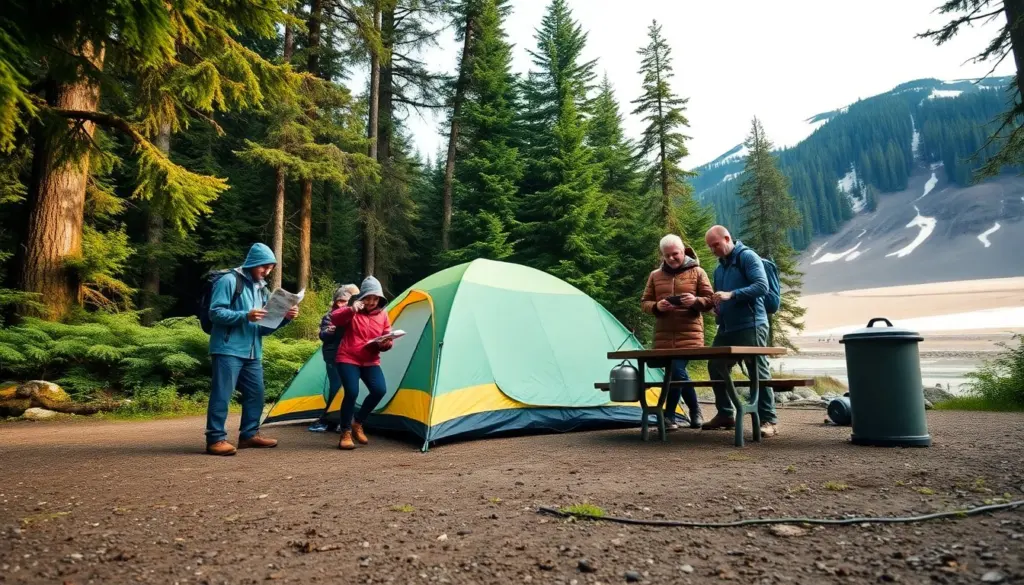
Match campsite features to your needs and priorities. Families typically prioritize flat, sheltered sites with nearby potable water, accessible toilets, and short interpretive trails or ranger programs. Solo hikers and backpackers often look for primitive or trailhead sites that minimize crowds, offer good access to longer routes, and provide secure places to store food. Anglers and wildlife watchers often favor sites near rivers, lakes, or estuaries where seasonal runs and bird activity are highest. Consider whether you want vehicle access to your campsite, space for a camper or trailer, or a remote tent-only experience.
Expect different amenities and plan accordingly. Many front-country campgrounds provide vault or flush toilets, potable water spigots, picnic tables, and sometimes water-only pump stations. Coastal campgrounds commonly lack electric hookups and may have strict rules about fires and driftwood collection. Backcountry sites are often little more than a cleared pad and a register box; these require carrying everything in and packing everything out. If accessibility is a concern, check campground descriptions for paved trails, accessible restrooms, and designated accessible sites.
Consider logistics: driving in and around Olympic can involve long, narrow roads and ferry or bridge connections for some routes. Plan conservative daily mileage, allow extra time for scenic stops and variable road conditions, and check current status for seasonal road work or closures. For popular summer weekends and holiday periods, reserve campsites early and build flexible itinerary options in case your first choice is fully booked. When comparing campgrounds, weigh proximity to must-see attractions (beaches, trailheads, or hot springs) against crowd levels and the type of experience you seek.
When To Go, Weather Considerations, And Seasonal Access
Camping in Olympic National Park depends heavily on season, weather patterns, and the zone you plan to visit. Summer generally brings the most favorable hiking and camping weather, with warmer days and reduced rainfall in many areas, but it also brings the largest crowds in July and August. Spring and fall are attractive for lower visitation and dynamic scenery—wildflowers in spring and vivid foliage in fall—but expect highly variable weather and shorter daylight hours. Winter delivers heavy rain along the coast and deep, persistent snow at higher elevations, making many mountain routes and some roads impassable.
Before you travel, check specific road and trail closures for the areas you intend to visit. Mountain passes and high-elevation trailheads often close in late autumn and remain inaccessible until late spring or early summer. The Hoh and Quinault rainforests receive persistent precipitation in the cooler months, so packing waterproof gear and planning shorter, low-elevation hikes is prudent. Coastal areas can be open year-round, but winter storms produce dangerous surf, high tides, and rapid changes in beach morphology.
Pack for sudden changes regardless of season. Even in summer, nights at higher elevations can drop well below comfortable sleeping temperatures, and rain is possible any month. Bring layered clothing (base layer, insulating mid-layer, and waterproof outer layer), a warm sleeping bag rated for conditions you expect, and sturdy, waterproof footwear. Keep an eye on NOAA marine and weather forecasts as well as park alerts—we recommend reviewing trip-weather updates the day before you travel and again each morning while on the trip.
Plan activities around tides, daylight, and seasonal wildlife events. Low tides expose tidepools and intertidal life but often occur at odd hours; checking tide tables and timing beach walks for daylight is a safety must. Summer offers longer daylight for extended hikes, while winter’s short days mean earlier turnarounds. Also consider seasonal wildlife patterns: some beaches and meadows may have nesting birds or marine mammal pupping seasons that require keeping distance or avoiding certain areas at particular times of year.
Permits, Reservations, And Backcountry Rules You Must Know
Camping in Olympic National Park requires compliance with reservation and permit systems designed to protect resources and manage visitor use. Front-country campsites in popular areas typically require reservations during the busier spring through fall months—make reservations as early as allowed if you have firm dates, and maintain flexibility for shoulder-season travel. Many campgrounds release sites on a rolling schedule, so check frequently for cancellations if initial attempts are unsuccessful.
Backcountry camping typically requires a permit for overnight stays on established trails and in most backcountry zones; this allows park staff to monitor use, protect campsites, and provide visitors with important route information. Permit requirements may vary by trail or zone and can include limits on group size, stay length, and campsite selection. Register at trailheads where required and follow any quota or bear-canister rules posted for specific routes. For some remote or wilderness areas, a free permit is required and must be picked up or validated at a ranger station.
Food storage and wildlife precautions are mandatory in many parts of the park. Bears and raccoons are active, and improper food storage leads to dangerous conditioned behavior in animals. Use bear-resistant canisters where required, store food in vehicles or park-provided lockers when available, and never leave food unattended or hung from ropes in non-approved ways. Proper food storage protects both visitors and wildlife and avoids campsite closures or fines.
Adhere to campsite limits and group-size rules to reduce resource damage. Many zones limit parties to specific sizes, restrict the number of tents per site, and require use of designated sites to protect vegetation and soil. Fires are often regulated: some campgrounds allow contained campfires in provided rings or stoves only, while many coastal and backcountry areas prohibit open fires to protect fragile beach forests and to prevent wildfires. Know the current fire restrictions for the area you plan to visit.
Follow backcountry practices to minimize environmental impact and enhance safety. Where no toilet facilities exist, you may be required to pack out human waste or use a portable toilet system; in some areas, catholes are permitted only under specific conditions. Follow posted guidance on river crossings, campsite spacing (minimum distances between campsites), and use of established fire rings. Respect seasonal closures and restoration efforts—some areas are rotated or rested to allow vegetation recovery.
Essential Gear, Safety Tips, And Leave No Trace Practices For Olympic Camping
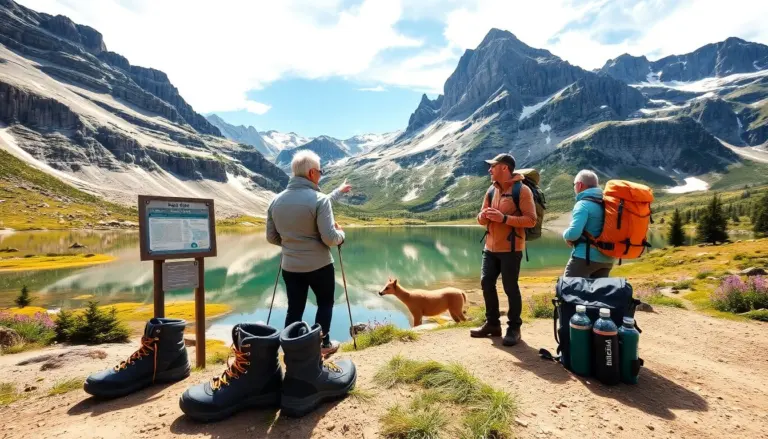
Camping in Olympic National Park demands deliberate gear choices and safe habits that reflect the park’s varied environments. Essential gear includes layered clothing (wicking base layers, insulating mid-layers, and a waterproof breathable shell), a warm sleeping bag rated appropriately for expected night temperatures, an insulated sleeping pad, and a reliable shelter or tent with good waterproofing and a strong rain fly. A compact stove and sufficient fuel are preferable to open fires in many areas. Other essentials: a headlamp with spare batteries, a detailed map and compass (and the skills to use them), a comprehensive first-aid kit, and water treatment options (filter, chemical treatment, or boiled water).
Use safety checks before and during outings. Leave a trip plan with someone not traveling with you that includes route, campsites, and expected return. Monitor river and stream conditions—snowmelt and heavy rain can make crossings dangerous—and be prepared to change plans to avoid hazardous water. Keep a safe distance from cliff edges and avoid walking on unstable logs or sea stacks along the shore; sneaker waves on the outer coast are a documented hazard, so always watch the ocean while on the beach and avoid low ledges and river mouths at high tide.
Store food and scented items correctly to reduce wildlife encounters. Bring a bear-resistant canister for backcountry use where required and use provided lockers or vehicles for front-country storage when available. Clean cooking areas after meals, dispose of or pack out all food scraps, and never keep food or toiletries in your tent. Follow the park’s guidance on where and how to store fuel, garbage, and recycling to avoid attracting animals and to comply with local regulations.
Practice Leave No Trace in all zones. Camp on durable surfaces such as established sites, rock, gravel, or dry grasses, and avoid creating new campsites or trampling vegetation. Dispose of human waste properly: use facilities where provided, follow cathole guidance where allowed, or pack out waste if required. Pack out all trash, leftover food, and litter. Minimize the use of soap in or near water sources and use small quantities of biodegradable soap at least 200 feet from lakes and streams. Be mindful of cultural resources—do not remove or disturb artifacts, structures, or natural features.
Prepare for limited communications and emergencies. Cell coverage is often sparse, especially in rainforest and mountain zones; consider carrying a satellite messenger or personal locator beacon for trips into remote areas. Know basic wilderness first aid and understand signs of hypothermia, dehydration, and heat illness. Leave extra time in your plan for conservative travel and carry contingency supplies—extra food, water, and warm clothing—for unexpected delays.
Before leaving, perform a campsite sweep: check for forgotten gear, pack out micro-trash (food crumbs, wrappers, and small items), extinguish any embers or stove fires completely, and restore any disturbed soil or tent pads to the extent possible. Leave sites cleaner than you found them, report hazards or damaged trails to park staff when possible, and consider volunteering or donating time to local stewardship programs to help preserve the park for future visitors.