Camping in Joshua Tree National Park draws hikers, climbers, and stargazers each year. The park offers developed campgrounds, backcountry sites, and nearby private camp options. This guide describes where to camp, how to plan permits and reservations, and how to pack gear and stay safe. It gives clear steps and practical tips for a safe, low-impact trip in 2026.
Key Takeaways
- Camping in Joshua Tree National Park offers developed campgrounds like Hidden Valley and Jumbo Rocks, backcountry sites for solitude, and nearby private camps with extra amenities to suit different comfort levels.
- Plan your trip by securing park entry fees, campground reservations during peak seasons, and registering for backcountry camping to ensure compliance and availability.
- The best camping seasons are fall, winter, and spring due to mild daytime temperatures and clear nights, while summer poses extreme heat risks requiring extra caution.
- Safety in Joshua Tree includes staying hydrated with at least one gallon of water per person per day, protecting yourself from sun exposure, and carrying essential gear such as a tent, sleeping bag, stove, and first-aid kit.
- Follow Leave No Trace principles by packing out all trash, using designated fire rings or camp stoves during high fire danger, and properly disposing of human waste.
- Check current park alerts for closures and conditions before your visit, and prepare for navigation with maps, GPS, and emergency communication devices to reduce risks on trails and remote areas.
Where To Camp: Park Campgrounds, Backcountry Sites, And Nearby Options
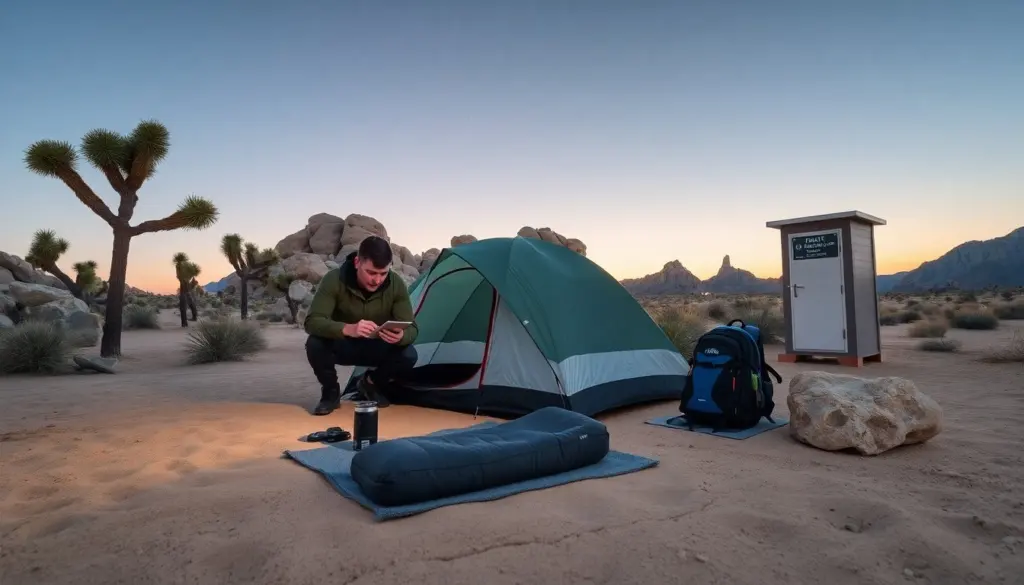
Joshua Tree National Park offers several ways to camp. Many visitors choose a developed campground. Popular sites include Hidden Valley, Jumbo Rocks, and Black Rock. Each campground provides designated sites, vault toilets, and picnic tables. Hidden Valley sits near popular climbs. Jumbo Rocks has large granite boulders and open views. Black Rock serves the northwest entrance and has water seasonally.
Backcountry camping suits hikers who want solitude. The park allows dispersed tent camping in most areas away from roads and trailheads. Campers must stay 1/4 mile from water and 1/2 mile from developed campgrounds. They must use a sleeping pad and avoid digging. The park requires that campers pack out all trash and human waste if they can’t reach a vault toilet.
Nearby private options provide more services. Several private campgrounds and RV parks lie outside park boundaries in Joshua Tree town and Twentynine Palms. These sites often offer showers, potable water, and hookups. A visitor who wants amenities should book a private site early for holiday weekends.
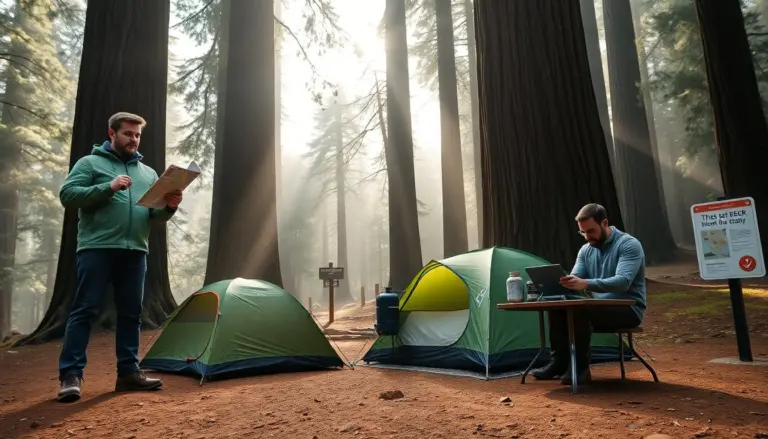
A family should match the campsite to skill and comfort. A first-time camper may prefer Hidden Valley or a private campground. An experienced backcountry camper may pick a remote wash with a clear view of the sky. Campers should check current campsite status on the park website before travel.
How To Plan Your Trip: Permits, Reservations, Best Times, And Route Planning
Visitors must plan permits and reservations before their trip. The park requires a fee for vehicle entry. Backcountry campers do not need a separate permit for most short trips, but they must register at a backcountry registration box or the visitor center. Large groups or special activities may need a permit from the park superintendent.
Reservations matter for developed campgrounds during high season. The park posts reservation windows and release times on the National Recreation Reservation Service. A camper should book as soon as reservations open for popular dates. Walk-up sites exist at some campgrounds, but they fill fast on weekends and holidays.
The best times to camp are fall, winter, and spring. Day temperatures stay mild and nights clear. Summer brings extreme heat and health risk. A camper should avoid hiking in midday during summer. Winter nights can drop below freezing. A camper should bring a warm sleeping bag for winter visits.
Route planning reduces risk. A hiker should pick trails that match fitness and daylight. They should carry a map and GPS device and check cell coverage. A camper should tell a friend where they will go and when they will return. If a party plans rock climbing, they should confirm access and route conditions before they go.
Park alerts affect plans. The park posts closures for weather, fire danger, or wildlife protection. A camper should check current alerts on the official park site the day before travel.
Safety, Leave No Trace, And Essential Gear Checklist
Safety matters on every trip. Campers should stay hydrated and avoid heat exposure. They should drink water regularly and rest in shade. A party should carry one gallon of water per person per day when traveling away from services. They should eat high-energy food and avoid alcohol in the heat.
Leave No Trace rules protect the park. Campers must pack out trash and avoid creating new fire rings. The park allows small campfires only in designated rings where conditions and restrictions allow. A camper should use a camp stove for cooking when fire danger is high. They should bury human waste only where rules allow and use a small trowel to dig a 6-8 inch cathole.
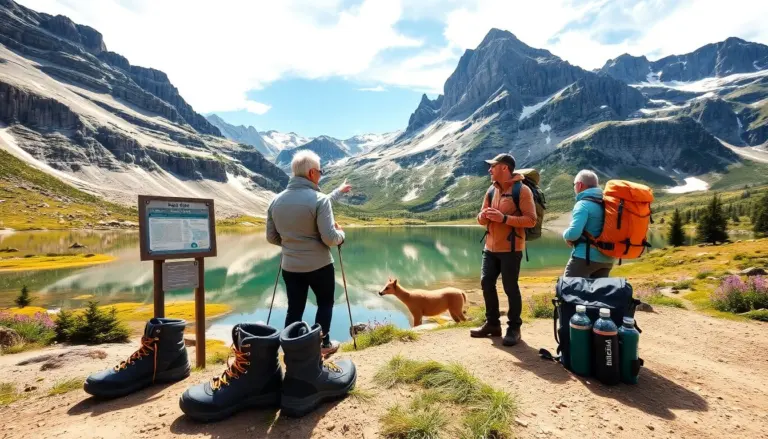
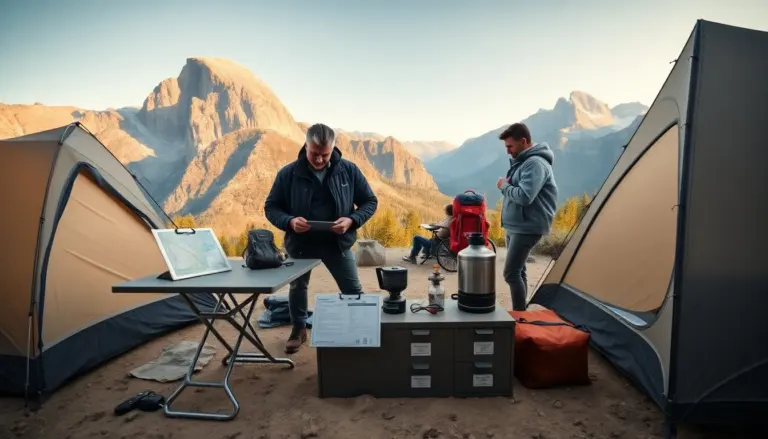
Essential gear keeps trips safe and simple. A good tent provides shade and wind protection. A sleeping bag rated for likely night temperatures keeps campers warm. A sleeping pad insulates from cold ground. A stove, fuel, and a pot handle cooking needs. A headlamp and spare batteries work better than a hand flashlight. A first-aid kit should include blister care, bandages, tweezers, and any personal medication.
For navigation and communication, a map, compass, and a GPS work together. A satellite messenger or PLB gives emergency contact where cell service fails. Sun protection matters: a wide-brim hat, sunscreen, and sunglasses reduce sun risk. Sturdy shoes protect feet on rocks and loose sand.
Wildlife precautions keep people and animals safe. Campers should store food in vehicles or bear-resistant containers where required. They should never feed wildlife. A camper should keep a clean camp and secure trash. Snakes can hide under rocks. A camper should watch where they place hands and feet.
Common mistakes raise risk. A camper should not rely on a single water source or a single navigation device. They should avoid driving off established roads. A party should check tires and carry a spare and basic tools. They should plan extra time for slow drives and sudden weather.
A final checklist helps. Park fee paid. Reservation or registration completed. Water and food packed. Shelter, warm sleep system, stove, light, first-aid, navigation, sun protection, and communication device packed. The camper who checks this list lowers their chance of a preventable problem.