The best things to do in Zion National Park start with planning. Visitors should check park hours, transport, and weather before arrival. They should pick activities that match fitness and interest. This guide lists key hikes, drives, family options, and practical rules. It gives clear steps so visitors can plan safe, enjoyable time in Zion in 2026.
Key Takeaways
- Planning ahead is essential for the best things to do in Zion National Park, including checking park hours, weather, and securing shuttle passes or permits.
- Angels Landing and The Narrows are iconic hikes that require permits and preparation; hikers should prioritize safety gear and awareness of conditions.
- Zion’s scenic drives and viewpoints offer stunning views with less physical effort, making them perfect for casual visitors and photo opportunities.
- Families can enjoy easy trails like Riverside Walk and Lower Emerald Pool, plus ranger programs and picnic areas suitable for all ages.
- Visitors must follow practical tips such as applying early for permits, monitoring weather alerts, using shuttles, and adhering to Leave No Trace principles to preserve the park experience.
Where To Start: Visitor Info, Best Times To Go, and Getting Around
Zion National Park charges an entrance fee and posts current conditions online. Visitors should reserve shuttle passes when the park uses shuttle service. Spring and fall attract the most visitors. Summer brings heat and flash-flood risk. Winter offers quiet trails and some closures.
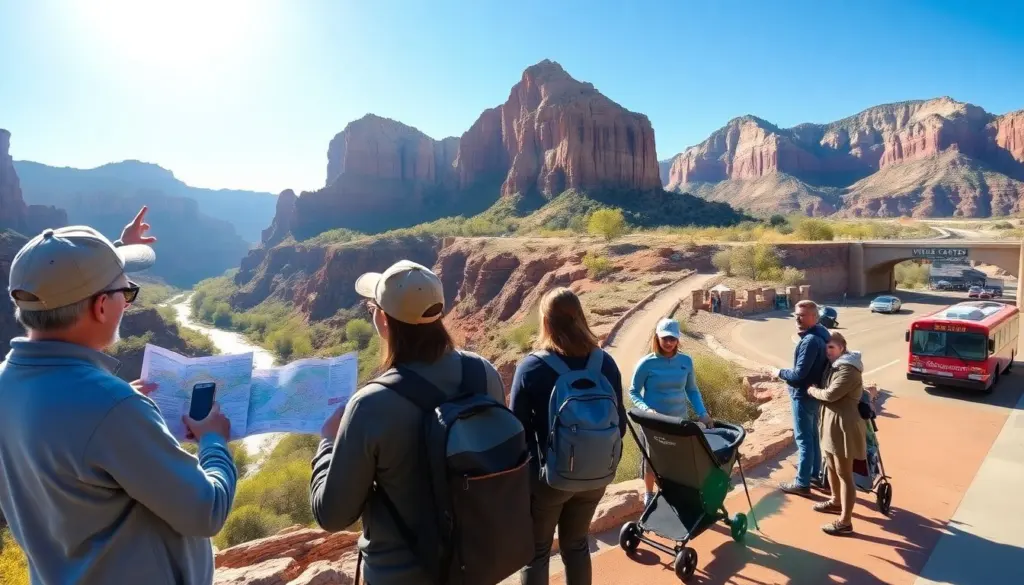
They should arrive early to find parking at the Visitor Center. They can use the Zion Canyon Shuttle in the main canyon when it runs. Drivers may need a high-clearance vehicle for Kolob Terrace Road. They should download maps and offline directions before entering areas with no cell service. Finally, they should check for permit rules for specific trails.
Before leaving home, check the park’s official alerts for road or trail closures and shuttle schedules; these change seasonally and with weather. If visiting during high season, consider weekday visits, shoulder seasons, or timed-entry days to avoid crowds. For longer stays, look into nearby towns for lodging or campgrounds—staying close reduces daily driving and gives more flexibility for sunrise and sunset activities.
Top Hikes You Can’t Miss
Zion delivers a range of hikes from short walks to full-day climbs. Hikers should match distance and exposure to fitness. Popular trails can get crowded: early starts help. The park enforces permit limits on certain routes, so hikers should plan permits in advance. Below are two landmark hikes and what visitors need to know.
Beyond the signature routes, Zion has many other quality hikes for different abilities: Observation Point for panoramic canyon views, Emerald Pools for a gentler option, and routes in Kolob Canyons for quieter, high-country scenery. When choosing a hike, factor round-trip time, elevation gain, water sources, and whether exposure to cliffs or river crossings is acceptable for your group.
Angels Landing — What To Expect, Permits, and Safety Tips
Angels Landing ranks among the best things to do in Zion National Park for strong hikers. The trail climbs steep switchbacks and ends on a narrow ridge with chains. Hikers must obtain a permit via the park lottery for peak season. They should wear sturdy shoes and bring water and gloves for the chains.
They should avoid the final ridge in high wind or when slick. Hikers should move steadily and yield at narrow spots. If a hiker feels uneasy, they should turn back before the ridge. Park rangers may close the trail during unsafe conditions.
Time your ascent to avoid the busiest hours: early morning reduces heat and crowding on narrow sections. Hydration and sun protection are critical—there is little shade on the approach. For those uncomfortable with exposure, consider nearby panoramic alternatives such as the Watchman Trail or Observation Point for similarly dramatic views without the final exposed ridge.
The Narrows — River Hiking Essentials and Route Options
The Narrows ranks among the best things to do in Zion National Park for river hikers. Hikers walk in the Virgin River through canyon walls. They should check river flow and flash-flood warnings before entering. For a bottom-up day hike, hikers start at the Temple of Sinawava and go upriver as far as they like.
Experienced hikers can do the top-down through hike with a permit and a shuttle. Hikers should wear water shoes, use a walking stick, and carry a dry bag. Cold water requires a wetsuit or quick exit plans in shoulder seasons.
Plan for slower pace when walking in current and over uneven riverbed rock—progress can be much slower than a dry-trail hike. If wading for long stretches, bring spare dry socks and a lightweight insulating layer to change into at the end. Always turn back if water levels rise or storm cells approach, as the canyon funnels water quickly and conditions can become hazardous.
Scenic Drives, Viewpoints, and Short Walks (Including Canyon Overlook)
Zion offers scenic drives that show dramatic cliffs and viewpoints without long effort. The Zion-Mount Carmel Highway gives sweeping views and the Tunnel. The Kolob Canyons Road gives quieter overlooks. The Canyon Overlook Trail gives a short, view-filled walk near the tunnel portal.
Visitors should stop at Watchman and Court of the Patriarchs viewpoints for classic photos. They should time drives for morning or late afternoon light. They should park legally and avoid blocking pullouts. Short walks like Riverside Walk give access to river views and families.
For photographers and casual sightseers, driving sections of the park at dawn or dusk can reward you with softer light and fewer people at pullouts. If the Zion Canyon Shuttle is operating, it’s often the easiest way to hop between viewpoints without parking stress. For a brief adventure with big payoff, combine a short trail like Canyon Overlook with a picnic—several pullouts and picnic areas provide easy access to scenic stops.
Family-Friendly Activities: Easy Trails, Ranger Programs, and Picnic Spots
Families will find many of the best things to do in Zion National Park that suit kids and mixed abilities. The Riverside Walk delivers level pavement and river views. The Lower Emerald Pool Trail gives short, shaded walking and a small waterfall. The Pa’rus Trail allows bikes and strollers along the river.
They should check the park’s ranger program schedule for free talks and junior ranger activities. Picnic sites at the Zion Human History Museum and the South Campground offer tables and shade. Families should pack layered clothes, water, snacks, and child-safe sun protection.
Look for short nature-interpreting stops and easy rock-hopping sections to keep kids engaged; scavenger hunts and picture-taking can help younger visitors learn about geology and wildlife. For multi-generational groups, plan half-day activities that allow for rest and flexibility—combine a paved walk with a relaxed picnic or a short shuttle ride to a scenic viewpoint so everyone gets a meaningful experience.
Practical Tips: Permits, Gear, Weather, Parking, and Leave No Trace Rules
Visitors should apply for permits early for Angels Landing and the Narrows top-down route. They should pack water, layered clothing, sun protection, and a map. In winter, they should bring traction devices for icy sections.
They should monitor weather and flash-flood alerts, especially for river routes. Parking fills early: they should use the shuttle when offered. They should cache no food in cars and use designated picnic spots. Visitors must follow Leave No Trace rules: pack out trash, stay on trails, and avoid feeding wildlife. Rangers issue citations for violations. Following these steps helps keep Zion safe and open for all.
Additional practical considerations: carry at least one liter of water per person for short walks and much more for exposed hikes; bring a headlamp if you plan pre-dawn or late-afternoon activities; and carry a basic first-aid kit. Learn to read simple weather signs—darkening skies or sudden thunder are reasons to get out of narrow canyons. Finally, plan exit options in advance (cell service can be spotty) and let someone know your itinerary when heading into remote areas.