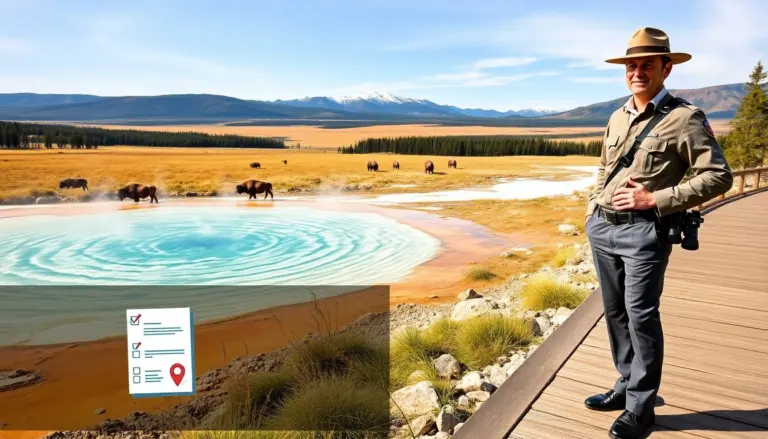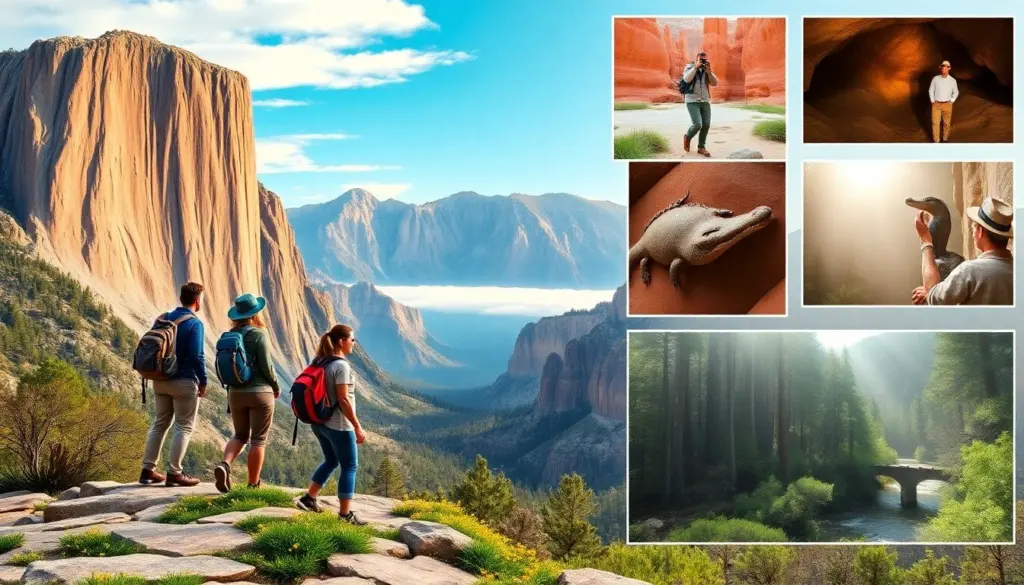
Best national parks to visit in May offer mild weather, blooming wildflowers, and thinner crowds. Travelers find clear trails, open roads, and active wildlife. They enjoy longer daylight and fewer summer visitors. This month suits families, photographers, and hikers who prefer spring conditions and lower rates. The list below highlights nine parks that deliver strong spring experiences in May.
Key Takeaways
- May is one of the best months to visit national parks due to mild weather, active wildlife, blooming wildflowers, and fewer crowds.
- West Coast parks like Yosemite, Sequoia, and Lassen Volcanic offer open trails, spectacular waterfalls, and vibrant wildflower displays in May.
- Southwest parks such as Zion, Bryce Canyon, and Grand Canyon provide comfortable hiking temperatures and dramatic landscapes with spring wildflowers.
- Eastern and southern parks including Great Smoky Mountains, Shenandoah, and Everglades showcase blooming flora, wildlife activity, and improved trail access during May.
- Visitors should prepare for variable conditions by packing layers, rain gear, and sun protection, and reserve permits or campsites early for the best experience.
Why May Is One Of The Best Months To Visit National Parks
May gives visitors warm days and cool nights in many parks. It reduces rain in some regions and ends heavy winter closures in others. Park staff open roads and facilities as snow recedes and staff prepare for summer. Wildlife becomes more active and visible. Wildflowers appear at lower and mid elevations. Visitor numbers stay lower than in June through August. They find available campsites and easier parking. Entrance queues remain short. For photographers, May offers softer light and vibrant landscapes. For hikers, trails clear and views broaden. Travelers who plan early secure permits and reservations. They avoid the summer heat in desert parks and the deep cold in high mountains.
Beyond weather and crowds, May is a period of seasonal transition across ecosystems. Alpine meadows begin to green while foothills host abundant blooms, producing varied photographic opportunities in a single day. Many visitor centers reopen and seasonal guided programs resume, which helps first-time visitors orient themselves. Because conditions can change quickly—morning frost at elevation and warm afternoons in valleys—layering clothing and checking daily park alerts are essential practices. Planning around weekends and holiday periods within May can further reduce exposure to local crowding at popular viewpoints and trailheads.
West Coast Picks: Yosemite, Sequoia, And Lassen Volcanic
Yosemite draws visitors for waterfalls and valley views in May. Snowmelt feeds falls and creates dramatic cascades. Meadows show green grasses and wildflowers. They can hike lower trails like Mirror Lake and Mist Trail with manageable snow. Sequoia offers giant trees and open groves this month. Roads to key viewpoints often open and visibility improves. They walk among large sequoias without summer crowds. Campgrounds near the Giant Forest begin to fill but remain easier to reserve than summer. Lassen Volcanic shows early spring wildflowers and clear volcanic features. Trails on lower slopes stay open and volcanic vents remain accessible. They find cooler air and fewer visitors compared with July. For all three parks, visitors should check current road and trail status. They should pack layers for cool mornings and warm afternoons. They should bring rain gear for late spring storms and plan for variable conditions.
Activity ideas for May on the West Coast include waterfall-focused day hikes, mixed-terrain ridge walks, and early-morning photography sessions to capture mist over valley floors. Backpackers who prefer quieter backcountry should still confirm permit requirements and trail openings—higher elevation routes may retain patches of snow. For families, many of the paved or short nature trails reopen, making giant-tree groves and visitor center exhibits accessible. Night skies are still clear in many areas, so stargazing or ranger-led evening talks are good options when available. Respect seasonal wildlife behavior by keeping distance from animals and storing food properly; bear activity often increases as bears emerge from winter patterns.
Southwest And Desert Favorites: Zion, Bryce Canyon, And Grand Canyon
Zion shows dramatic canyon light and comfortable hiking in May. Temperatures stay moderate and slot canyons remain pleasant. They hike The Narrows early in the season and scout Angel’s Landing with easier footing. Bryce Canyon displays hoodoos and blooming sagebrush this month. High elevation keeps temperatures cool, and sunrise colors appear vivid. They choose rim walks and short hikes to avoid afternoon thunderstorms. Grand Canyon offers wide rim views and quieter trails in May. South Rim temperatures climb but remain bearable. They hike below the rim carefully and reserve mule trips or guided hikes in advance. All three parks see increasing visitors late in the month. They find spring wildflowers and active birdlife. Spring also brings clearer skies after winter storms. Visitors should carry water, sun protection, and a map. They should respect park rules and stay on marked trails.
In the Southwest, planning for elevation and exposure is key. Zion’s shaded slot canyons provide relief from spring sun, but routes can be narrow and require steadiness on slick rock—appropriate footwear and early starts help. At Bryce Canyon, check fringe trails for lingering snow in shaded sections and time sunrise hikes for the best light. Grand Canyon visitors should monitor trail conditions for any remaining winter runoff and keep daily hiking plans realistic given steep terrain. For photographers and landscape lovers, May’s combination of warm days, cool nights, and flowering desert shrubs offers dramatic contrasts in color and texture. Hydration strategies, lightweight sun-protective clothing, and awareness of sudden afternoon weather shifts make outings safer and more enjoyable.
East And Southern Gems: Great Smoky Mountains, Shenandoah, And Everglades
Great Smoky Mountains bloom with wildflowers and rhododendron in May. They find long ridge views and cool valleys. Trail conditions improve and many historic buildings reopen. They spot black bears and elk in higher areas. Shenandoah offers Skyline Drive views and accessible hikes this month. They enjoy quiet overlooks and cascading streams. Wildflower displays peak at many lower elevations. Park roads remain open and campgrounds accept reservations. Everglades shifts into dry season in May. They find lower water levels and easier wildlife spotting. Alligators concentrate in canals and wading birds gather in shallow pools. They take boat tours and guided walks for safe viewing. Visitors should use insect repellent in southern parks and carry binoculars for bird watching. They should check ranger updates for any seasonal advisories. May yields active wildlife, moderate weather, and strong photo conditions across these parks.
Northern hardwood and mixed-mesic forests in the East provide layered experiences: wildflower hikes in the morning, valley-lookout picnics at midday, and birdwatching on quiet loops later in the day. Shenandoah’s network of short-to-moderate trails is particularly family-friendly in May, with many waterfalls at their spring peak. Great Smoky Mountains’ wildlife is more visible as animals forage in lower elevations, but visitors should follow park guidance for safe viewing distances. In the Everglades, guided eco-tours and boardwalk trails make for accessible wildlife encounters; however, plan for sun and bring insect protection for marshy areas. Across these parks, spring is an excellent season for interpretive programs, wildflower walks, and photography workshops that help visitors deepen their understanding of local ecosystems.
Practical tips for visiting the best national parks to visit in May: book accommodations and permits early, start hikes early to avoid midday heat or crowds, carry a basic first-aid kit and extra water, download park maps or pick them up at visitor centers, and always check the park’s official alerts before travel. With thoughtful planning, May delivers a balance of comfortable weather, vivid nature, and fewer visitors—making it a top month to explore national parks across the country.