Travel writers call June a prime month for parks. The best national parks to visit in June offer long days, active wildlife, and open high-country trails. This article expands on where conditions favor hiking, where crowds peak, and what to pack so readers can plan a successful trip. It combines weather realities, park-specific expectations, and step-by-step planning actions. The goal is to help the reader pick one strong June park trip for 2026 and leave with a clear checklist for preparation and on-the-ground adjustments.
Key Takeaways
- June offers long daylight and mild temperatures, making it ideal for visiting the best national parks to visit in June with open trails and active wildlife.
- Yellowstone, Glacier, and Acadia are top national parks to visit in June, each with unique conditions like wildlife spotting, snow checks, or coastal hikes.
- Plan ahead for permits, timed entries, and reservations to ensure access to popular parks and campgrounds during June.
- Pack layers, sun protection, and bear spray (where advised) to handle varying weather and wildlife encounters in these parks.
- Arrive early and choose weekdays to avoid crowds and secure parking, especially at popular trailheads and viewpoints.
- Check weather, road conditions, and park alerts within 48 hours of arrival and carry offline maps for a smooth June national park trip.
Why June Is One Of The Best Months To Visit National Parks
June brings steady daylight and mild temperatures to many parks. The best national parks to visit in June often open high-elevation roads and trails that closed for winter, making alpine meadows and remote viewpoints accessible. Wildlife is generally more visible: many mammals are feeding young or moving to lower elevations, and migratory birds are still passing through or settling into breeding territories. Wildflowers appear across meadows in parks at mid and high elevations, creating color contrasts with remaining snow patches.
Park services and facilities also shift in June. Campgrounds that ran reduced schedules reopen, visitor centers extend hours, and trail crews clear routes that were snowbound just weeks earlier. These operational changes make June a reliable month for a broader range of activities—day hikes, backcountry trips, ranger programs, and scenic drives—without the full heat of peak summer.
The tradeoff is higher visitor counts. Popular parks receive more visitors on weekends and holidays, and scarce parking at trailheads becomes a real constraint. Park staff often advise arriving early, using shuttles or timed-entry systems where offered, and choosing lesser-known trails to avoid congestion. Weather varies considerably by region: mountain parks still show snow at high elevations; desert parks have hot afternoons and cool mornings; and coastal parks often experience a morning marine layer that burns off by midday. Matching your planned activity to park conditions—early-morning wildlife viewing in lowlands, mid-day high-elevation hikes, or afternoon tidepooling on the coast—will improve safety and enjoyment.
Finally, planning ahead reduces stress and avoids last-minute changes. Many parks implement permits, timed-entry reservations, or road openings that are announced only after spring snowpack assessments. Check the park website and social channels for alerts, set reminders for permit release dates, and build flexible itineraries that accommodate closures or sudden weather shifts.
Top 3 National Parks To Visit In June (What To Expect At Each)
- Yellowstone National Park
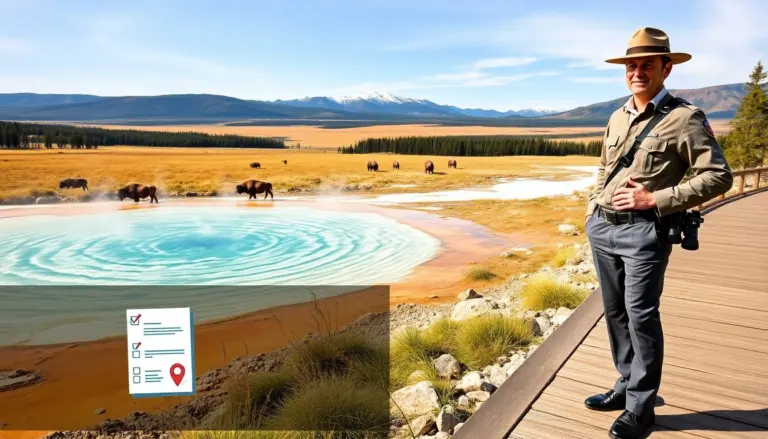
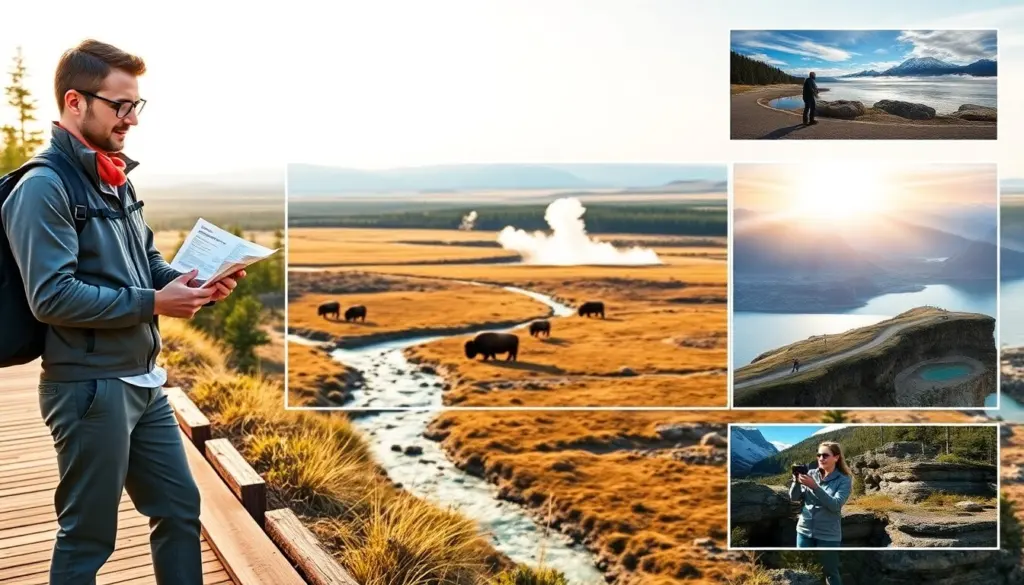
Yellowstone ranks high among the best national parks to visit in June. Snowmelt swells rivers and waterfalls, creating dramatic flows and wet meadows that attract grazing animals and predators alike. Geysers and hot springs remain reliable attractions—Old Faithful and many basin features are accessible with typical summer crowds—but quiet thermal areas and boardwalks reward quieter hours. Expect elk calving and increased ungulate activity in valleys, bison visible on plains and near roads, and bears moving into lower elevations as food sources emerge. Road openings vary by snowpack; some high passes can still have patches of snow in early June.
Practical expectations: book lodging and campsites early, carry bear spray and know how to use it, and maintain safe viewing distances. Favor sunrise and early-morning loops for wildlife, and plan for slower travel times near popular pullouts. If you intend to backcountry camp, research current conditions and apply for any required permits well before your trip.
- Glacier National Park
Glacier appears on many lists of the best national parks to visit in June for its dramatic alpine scenery and early-season serenity. Lakes at lower elevations are often clear and intensely blue; meadows erupt with wildflowers as snow recedes. Alpine routes and ridgelines begin to open as crews remove snow and clear trails, but high routes and passes can remain icy into June. Going-to-the-Sun Road is a key variable: many visitors time a trip to coincide with its seasonal opening, which can fall from late June into July depending on snow removal progress.
Practical expectations: prepare for cold nights and sudden storms at higher altitude, carry traction devices for unexpected snow patches, and be ready to change plans if key road segments remain closed. Aim for weekday visits to reduce congestion at major viewpoints and trailheads. Because trail access can shift quickly with melt and weather, confirm current conditions with the park before heading out.
- Acadia National Park
Acadia represents the best national parks to visit in June for East Coast travelers who want coastal scenery without peak-summer crowds. The park delivers ocean vistas, cool sea breezes, and well-maintained carriage roads for walking or biking. Cliffside wildflowers and salt-spray vegetation are prominent, and tidepool biodiversity is at a seasonal high. Mornings may begin with fog or a marine layer that clears to sunny afternoons—perfect for combining sunrise photography and midday exploration.
Practical expectations: parking fills quickly at popular trailheads and the loop road, so arrive early or use alternative access points. Tide schedules matter for shoreline exploration—plan tidepool visits around low tides and check safety guidelines for slippery rocks and incoming waves. Acadia is also walkable from nearby towns, so consider staying in local lodging to reduce daily driving and increase early-access opportunities.
Each park requires a different focus. Yellowstone demands wildlife awareness, itinerary flexibility, and advance reservations. Glacier requires careful timing for road openings and preparedness for late snow. Acadia requires timing around tides, early arrival to beat parking limits, and layering for cool coastal breezes. Choose the park that matches your fitness level, interest in wildlife versus scenery, and tolerance for variable nights and weather.
Practical Planning Tips For June Trips: Weather, Crowds, Permits, And Packing
Weather: The traveler should check daily forecasts and park-specific reports. The best national parks to visit in June can show strong weather swings—blue-sky mornings can yield afternoon thunderstorms in mountains and sudden fog along coasts. Pack a layered system: moisture-wicking base layers, an insulating mid-layer, and a waterproof, breathable outer shell. Include a warm hat and gloves for high-elevation nights and insulating sleep layers if camping. For desert or lowland parks, add sun-protective clothing and plan hikes outside the hottest part of the day.
Crowds: Expect larger crowds at popular trailheads, overlooks, and visitor centers, especially on holiday weekends in June. Mitigation actions: arrive before sunrise, book midweek stays, hike side trails instead of marquee routes, or pursue longer loops where traffic spreads out. Use park shuttle systems where available and consider less-visited nearby units or adjacent public lands to disperse visitors.
Permits and Reservations: Many parks require reservations for entry, campgrounds, or specific trails. The visitor should track permit release calendars and set alerts for reservation windows. Have printed or screenshot copies of reservations and permit confirmations, and register for any required timed-entry system. If you plan backcountry travel, submit permit applications early and prepare alternative itinerary options in case requested zones are full.
Packing: The traveler should pack water, snacks, navigation tools, first-aid supplies, and proper footwear. Bring a headlamp, extra batteries, spare battery bank for devices, and a paper map as a backup to GPS. Include items for insect protection in warm, wet areas and quick-dry clothing for sudden rain. For multi-day trips, bring a reliable water treatment method and repair kit for gear. If traveling to bear country, carry bear spray in an accessible location and learn local food-storage regulations.
Safety: Respect wildlife distances, stick to marked trails, and tell someone your itinerary and expected return. Carry a whistle and know basic wilderness first-aid. In mountain areas, watch for altitude-related symptoms and descend if you experience worsening signs. For coastal trips, be mindful of tides and sneaker waves; for desert trips, schedule hydration breaks and avoid midday heat.
Timing: Arrive early for sunrise views and peak wildlife activity. Plan shorter, shaded hikes during midday heat in desert parks and schedule the most exposed or highest-elevation hikes for the coolest part of the day. Allow at least one rest or contingency day after long drives or high-elevation hikes to acclimate and reduce fatigue-related risks.
Transport and Access: Check road conditions, seasonal vehicle restrictions, and fuel availability before departure. Some park approach roads and backcountry routes are rough or have vehicle-size limits. Carry extra fuel, water, and a basic vehicle repair kit for remote travel. Download offline maps and waypoints in case mobile service is unreliable.
Final booking step: Confirm all reservations and permits and check park alerts within 48 hours of arrival. Download park maps, emergency contacts, and any required permits for offline use. Prepare a checklist that covers reservations, gear, vehicle readiness, and an emergency plan. With these steps, the traveler can make the most of visiting the best national parks to visit in June while minimizing surprises and maximizing safety and enjoyment.