Travel writers list the best national parks in usa for scenery, wildlife, and outdoor time. This guide lists seven top parks for 2026. It gives clear reasons to visit each park. It also shows how to pick a park and how to plan a safe trip. Readers get concise facts and practical steps to book, pack, and stay safe.
Key Takeaways
- Yellowstone, Grand Canyon, Zion, Acadia, and Great Smoky Mountains are among the best national parks in USA for iconic scenery and varied outdoor activities.
- Choosing the best national parks in USA depends on desired activities, season, accessibility, and crowd levels to tailor an ideal visit.
- Booking lodging, transportation, and permits early is crucial as popular parks often reach capacity on holiday weekends.
- Visitors should pack for temperature changes, plan routes carefully, and use shuttle services when available for a smooth trip.
- Following safety guidelines and Leave-No-Trace principles ensures protection of wildlife and preservation of the best national parks in USA for future generations.
Top Picks: Five Unmissable Parks (What Makes Each Special)
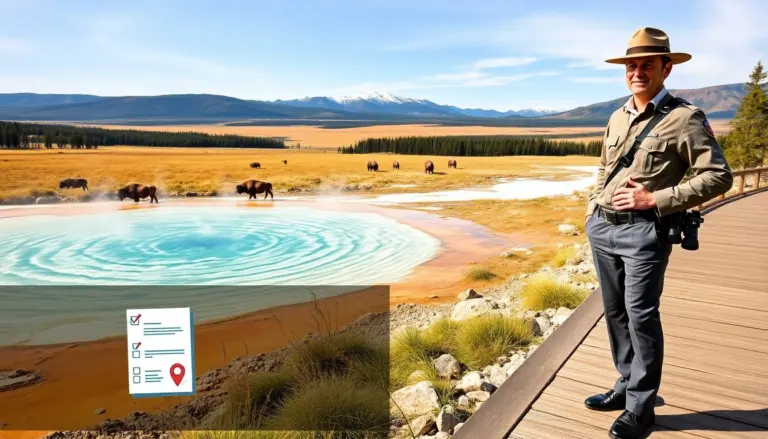
Yellowstone National Park sits on a large volcanic system. It offers geysers, hot springs, and vast wildlife. Visitors see bison, elk, and bears. The park ranks among the best national parks in usa for first-time parkgoers because it mixes easy access and iconic sights.
Beyond geothermal features, Yellowstone offers loop drives with frequent pullouts for photography and short boardwalk walks that are suitable for families and less-experienced hikers. Backcountry routes and scenic byways give more solitude; those who want longer hikes or thermal basin overlooks should plan by checking trail conditions and seasonal closures before arrival.
Grand Canyon National Park shows a deep, colorful canyon carved by the Colorado River. Tourists hike rim trails or descend to the river. The canyon ranks high on lists of best national parks in usa for dramatic views and photography.
In addition to the well-known South Rim viewpoints, visitors can choose guided mule trips, river rafting on the Colorado, or rim-to-rim hikes for a more challenging itinerary. Sunrise and sunset change the light dramatically, so planning for early starts or late finishes improves photo opportunities. Consider shuttle systems, sunrise permits if required for certain hikes, and heat management strategies in warmer months.
Zion National Park features steep red cliffs and narrow canyons. Hikers tackle slot canyons and ridge trails. Zion appears on many best national parks in usa lists for diverse hiking and close-up rock scenery.
Zion’s popular routes range from easy paved walks in the canyon floor to technical scrambles and fixed-rope sections on exposed ridges. The park operates shuttles that reduce parking pressure at trailheads; during busy seasons, using the shuttle can save hours. Permits may be required for overnight stays in certain canyons, so confirm regulations well before travel.
Acadia National Park sits on the Maine coast. It gives ocean views, rocky shorelines, and quiet forest roads. Travelers find it among the best national parks in usa for coastal scenery and easier trails.
Acadia’s carriage roads, coastal drives, and short summit climbs offer a mix suitable for families or older visitors seeking dramatic coastal vistas without long hikes. Tidal pools, birding, and sunrise at ocean-facing overlooks are highlights. Off-season visits reduce crowds but can bring changeable weather—dress in layers and plan flexibly.
Great Smoky Mountains National Park offers dense forests, historic sites, and abundant wildflowers. It holds the highest visitation in the park system. The park ranks among the best national parks in usa for biodiversity and accessible road views.
The Smokies provide a large network of short nature trails, historic homesteads, and scenic drives that allow visitors to experience rich plant and animal life without extensive backcountry skills. Spring wildflower displays and fall colors are major draws; timing a trip for those windows can transform the experience, but expect higher visitor numbers during those seasons.
Visitors who want alpine lakes and hard hikes can choose Rocky Mountain National Park. The park shows high peaks, meadows, and mountain lakes. Hikers and climbers often call it one of the best national parks in usa for elevation and clear air.
High-altitude trails deliver panoramic views and opportunities for wildlife such as elk and marmots. Elevation gain and sudden weather changes mean hikers should acclimate, carry extra layers, and be prepared to turn back if conditions worsen. Reservations or timed-entry systems may apply for parts of the park—check the official site when planning.
For desert lovers, Joshua Tree National Park presents stark rock formations and unique plants. It draws climbers and stargazers. Many lists include it among the best national parks in usa for night sky viewing and short technical climbs.
Joshua Tree’s combination of boulder fields, creosote flats, and intact dark skies creates varied recreational options. Daytime temperatures can be extreme in summer and cool at night in other seasons; bring sun protection and layered clothing. Climbers should follow route etiquette and use established anchors where available; stargazers should find a low-light spot away from roads for the best views.
How To Choose The Right Park For Your Trip
Travelers pick a park based on activities, season, and access. They list priorities and match them to park features. This method helps people choose among the best national parks in usa.
Start by defining what matters most: spectacular overlooks, solitude, wildlife viewing, technical climbing, family-friendly trails, or coastal access. Once priorities are clear, narrow the options by season: some parks shine in spring, others in autumn, and a few offer year-round access with winter-specific activities.
They check distance, activity type, and time available. They weigh hiking difficulty, wildlife viewing, and photography needs. They also compare crowds and permit rules before booking.
If you have limited time, choose a park with concentrated highlights and good infrastructure (short drives between viewpoints, frequent shuttle service, clear signage). For a longer trip or multi-park itinerary, factor in travel time between parks and potential weather transitions so you don’t lose prime daylight hours driving.
Activities, Seasons, And Accessibility To Consider
Hikers seek trail length and elevation. Families look for short walks and ranger programs. Photographers want clear light and viewpoints. Each activity steers visitors to different best national parks in usa.
Consider how your activity choices interact with seasonality: wildflower season may limit access in some areas due to trail protections, while snow season can close high-elevation routes entirely. If mobility is a concern, research which parks provide paved boardwalks, accessible overlooks, or rental equipment services nearby.
Season affects crowd size and road access. Summer draws crowds to popular parks. Spring and fall offer cooler weather and fewer people. Winter gives quiet visits in some parks but limits access in others.
Also look at transportation options. Some parks are best reached by car, others have regional airports and shuttle connections. Public transit and park-operated shuttles reduce parking stress and are often recommended for peak-season visits. When accessibility or crowd avoidance is a priority, consider visiting weekdays, shoulder seasons, or arriving very early or later in the day.
Practical Planning Tips For Visiting National Parks
Travelers book lodging and transportation early. Popular parks reach capacity on holiday weekends. They use official park websites to see alerts and closures. The websites list the top best national parks in usa for dates and events.
Plan a timeline for reservations: secure lodging or campground spots several months ahead for peak season; reserve guided tours, special permits, or shuttle passes as soon as booking windows open. If you prefer dispersed camping or backcountry routes, research permit systems and quota dates well in advance.
They pack for temperature swings. Mornings and nights can get cold even in summer. They bring layers, sun protection, and sturdy shoes. They carry water and snacks on longer trails.
Build a concise packing checklist that includes layered clothing, waterproof shells, sun protection, headlamp, extra food, water-treatment method if needed, a basic first-aid kit, and navigation tools (map and compass or downloaded offline maps). For high-elevation or remote parks, add an emergency bivy or shelter and know how to use it.
They plan routes and parking. Many trailheads have limited spaces. They use shuttle services where parks provide them. They arrive early for popular viewpoints and trailheads.
When mapping routes, account for turnaround times and daylight. Look up designated parking zones to avoid citations and plan alternative trailheads if your first choice is full. Sign up for park alerts and carry a physical map when cell service is unreliable.
Reservations, Permits, Safety, And Leave-No-Trace Basics
Many parks require reservations for entry, camping, or popular hikes. Visitors check reservation windows and sign up when slots open. They keep permits and ID on hand while inside the park.
Beyond entry reservations, be aware of specific permit types: backcountry camping permits, special-use permits for research or commercial activity, and permits for certain trail corridors. Read permit terms carefully so you meet time, group-size, and equipment restrictions.
Visitors prepare for wildlife encounters. They store food in approved lockers and follow distance rules. They learn how to react to bears, bison, and other large animals.
Practice wildlife safety by maintaining recommended distances, never feeding animals, keeping a clean campsite, and knowing species-specific responses (for example, how to react if an animal approaches on a trail). Use park-provided food storage and follow posted guidelines to reduce attractants.
Safety steps include route planning, telling someone the plan, and carrying a map and first-aid kit. Cell service may be limited, so they download maps and emergency contacts.
Consider carrying a personal locator beacon or satellite messenger for remote backcountry travel. Check weather forecasts and avalanche or snow advisories in winter, and be prepared to alter plans if conditions change. Travel with partners when possible and share itinerary details with someone offsite.
Leave-No-Trace rules protect park land. Visitors pack out trash, stay on trails, and avoid picking plants. They use established campsites and follow fire rules. These steps keep parks in good condition for future visitors who want the best national parks in usa.
Apply Leave-No-Trace principles consistently: minimize campfire impacts, dispose of waste properly (pack out hygiene items and toilet paper when required), respect wildlife and cultural sites, and be considerate of other visitors by keeping noise levels low and yielding on trails. Small, consistent actions help maintain these national treasures for decades to come.