The best hikes in Zion National Park draw hikers from across the world. This guide lists the top trails, key rules, and timing advice for 2026. It helps readers choose hikes that match skill, time, and weather. The guide focuses on permits, shuttle use, safety, and gear. It stays practical and clear so readers can plan a better trip.
Key Takeaways
- The best hikes in Zion National Park require advance planning, including securing permits and reserving shuttle seats for popular trails like Angels Landing and The Narrows.
- Angels Landing offers iconic, panoramic views but demands safety measures such as sturdy shoes, use of chains, and permit acquisition during peak months.
- The Narrows provides a unique river hike experience; hikers must prepare with neoprene socks, check water conditions, and consider guided tours for safety.
- Observation Point delivers stunning panoramic views with fewer crowds and requires carrying extra water and caution on loose rocks during the 4–6 hour hike.
- Family-friendly trails like Emerald Pools and Kayenta Loop are ideal for casual hikers and require minimal gear, but hikers should stay alert for slippery areas and follow trail rules.
- Visiting Zion in spring or fall offers mild weather and less crowded trails, while summer brings heat and winter offers solitude but icy conditions, making timing crucial for the best hiking experience.
Plan Your Zion Trip: Permits, Shuttles, And Best Times To Hike
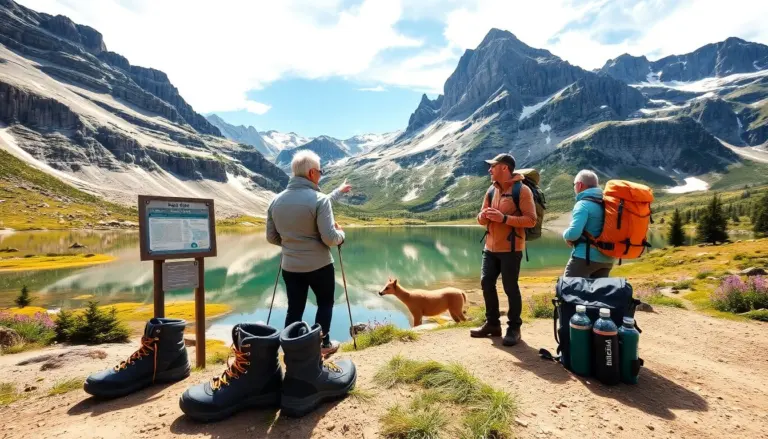
The best hikes in Zion National Park require planning. Visitors must check the park website for current permit rules. They must reserve shuttle seats when the shuttle runs. Hikers should visit in spring and fall for mild weather and fewer crowds. Summer brings heat and full shuttle loads. Winter offers quiet trails and icy steps. They should pack water, sun protection, and layers. They should arrive early for trailhead parking or use the shuttle service. They should confirm trail closures before they go.
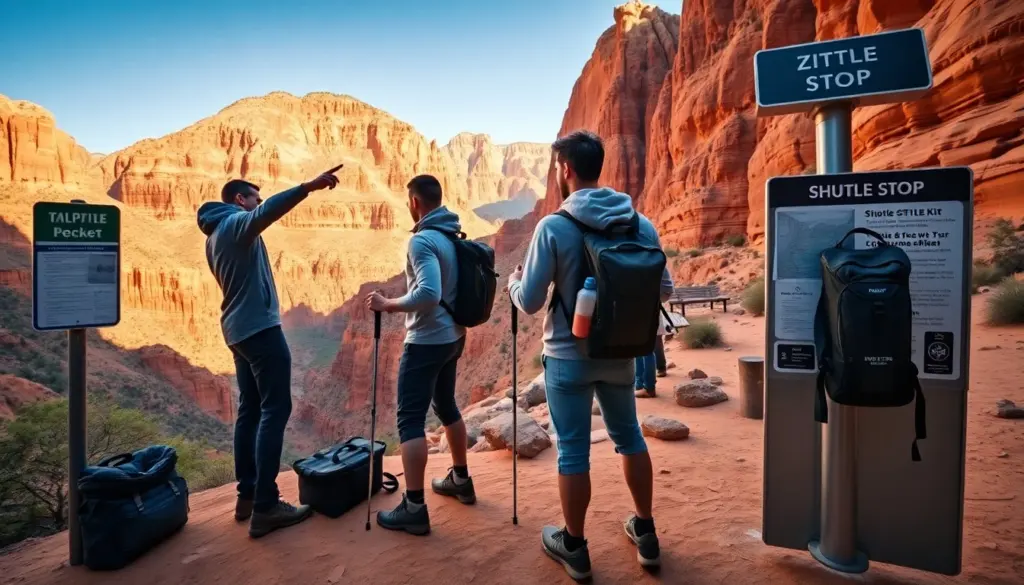
Beyond those basics, think through daily logistics: plan a realistic itinerary that mixes one longer hike (like Observation Point or Angels Landing) with a shorter outing (Emerald Pools or the Riverside Walk) so you have recovery time and contingency if weather changes. Check sunrise and sunset times for the days you’ll be in the park to maximize cooler hiking hours and photography opportunities. If you rely on the Zion Canyon Shuttle, allow extra time for boarding at peak hours and know that some trailheads are shuttle-only during the high season. Cell service is limited in the canyon; download maps and any permit confirmations or shuttle reservations before you arrive. Also, consider reserving accommodations or a campsite well in advance, and if you plan overnight backpacking, file any required backcountry permit applications according to the park’s current procedures.
Angels Landing: Why It’s Iconic And What To Expect
Angels Landing ranks among the best hikes in Zion National Park for its views and exposure. Hikers gain steep elevation on switchbacks and then traverse a narrow ridge with chains. The route rewards hikers with a long view of Zion Canyon. The trail challenges balance and calm for those with a fear of heights. The hike takes three to five hours for most hikers. It requires a permit under the current lottery system in peak months. Hikers should test feet on rocky ground before attempting the final ridge.
Expect crowded sections on the narrow ridge during mid-day in high season; plan to start very early to avoid lines and to have cooler conditions on the ascent. The trail surface varies from packed dirt to loose rock; traction-focused footwear with good ankle support is advisable. If you have concerns about exposure, consider alternatives with similar viewpoints such as Scout Lookout or Observation Point. Bring a lightweight daypack with water (more than you think you need), snacks, sun protection, and a small first-aid kit. On hot days, hydrate frequently and take breaks in shaded benches along the switchbacks. If wind, rain, or thunderstorms are forecast, postpone the ridge section — chains become hazardous when wet.
Angels Landing Safety, Permits, And Best Times To Go
Hikers must obtain a permit for Angels Landing during the permit season. They should wear sturdy shoes and keep three points of contact on the chains. They should carry water and a small first-aid kit. They should avoid the ridge in high wind or storms. Early morning offers cooler temperatures and fewer people. Late afternoon gives warm light but more crowding on the ridge. They should let faster groups pass and move steadily to avoid lineups on narrow sections.
Safety also means planning for the descent: fatigue can increase the risk of slips, especially if you are carrying a heavier pack. Use a headlamp if you might finish near dusk, and consider hiking poles for the approach sections (store them safely before the chains). If you are traveling with children, evaluate their ability to manage exposure; the final half-mile is not suitable for very young or anxious hikers. Finally, review current permit instructions closely—lottery or timed entry systems can change—and keep your permit or reservation documentation accessible for rangers.
The Narrows: Slot-Canyon Walking Through Virgin River
The Narrows stands among the best hikes in Zion National Park for river walking and narrow walls. Hikers walk in ankle-deep water to thigh-deep flows depending on water level. The full Narrows through-hike starts at Chamberlain’s Ranch and requires planning and a permit. A shorter top-down or bottom-up day hike gives a strong experience without an overnight. The Narrows demands attention to weather reports because flash floods can occur. Hikers should gauge water clarity and current before they enter the river.
Plan your Narrows outing around flow rates and forecasted precipitation upstream; even distant storms can raise river levels and create dangerous currents. If attempting a longer route or an overnight, make sure you understand river-escape routes and campsite regulations. For day hikes, many visitors begin at the Riverside Walk for a gradual entry into the canyon and turn around at natural landmarks or when the river becomes deeper or too swift. Consider going with a guided outfitter if you lack river experience — guides provide gear, local knowledge on current conditions, and emergency procedures. Finally, leave electronics in waterproof containers and keep a dry bag for essentials; cold water exposure can lead to hypothermia faster than you might expect, so dress appropriately and monitor everyone in your group.
The Narrows Gear, Route Options, And Weather Considerations
Hikers should use neoprene socks and closed-toe shoes for The Narrows. They should bring a trekking pole for balance and a dry bag for electronics. They can choose a day hike from the Riverside Walk or a long through-hike with a permit. They should check flow rates and the park’s flash-flood forecast before entering the canyon. They should avoid The Narrows after heavy rain upstream. They should hire a guide if they want expert route help or river safety instruction.
Essential gear choices include layered clothing that dries quickly, spare socks, and a small whistle or signaling device in case of emergency. Footwear should have good tread for slippery rocks and protection from sharp riverbed stones. When packing, keep weight low because moving through water is more tiring than dry walking. If you plan to wade for long periods, rotate feet and check for blisters during breaks. Respect posted advisories at the trailhead — rangers issue closures and warnings based on river gauges and weather data for good reason.
Observation Point: High-Reward Views Without The Crowds
Observation Point delivers one of the best hikes in Zion National Park for panoramic views. The trail climbs above Angels Landing and shows a broad canyon sweep. Hikers follow a steady gain on switchbacks through desert scrub and shaded benches. The trail offers quieter conditions than Angels Landing for similar vistas. The route takes four to six hours round trip for most hikers. Hikers should bring extra water on hot days and sun protection. They should watch for loose rocks and stay on the marked trail for safety.
Observation Point is a good option if you want dramatic views with fewer people. The trailhead access and parking can vary by season, so confirm current shuttle and road conditions before you go. Because the hike gains significant elevation, break the climb into manageable segments and pause at viewpoints to reduce exertion. Photography opportunities are plentiful; the viewpoint looks east across the canyon toward the Virgin River and surrounding cliffs, and morning light often softens the colors. For hikers seeking a longer route, Observation Point can be combined with nearby trails for loop options — just plan water and turnaround times conservatively.
Emerald Pools, Kayenta Loop, And Short Family-Friendly Trails
The Emerald Pools and Kayenta Loop rank among the best hikes in Zion National Park for families and short trips. Hikers reach lower and middle pools on well-maintained paths. The full Kayenta Loop offers a modest climb and good canyon views. These trails suit families with children and casual hikers. They require minimal gear beyond water and comfortable shoes. They work well as warm-ups before a longer hike. Hikers should watch for slippery rock near water and follow posted trail rules.
In addition to Emerald Pools and the Kayenta Loop, other short options include the Pa’rus Trail for an easy paved route suitable for strollers and bikes, and portions of the Watchman Trail for a quick view without a strenuous climb. For families, plan outings around rest stops, carry basic snacks and a small first-aid kit, and teach children trail etiquette like staying on the path and respecting wildlife. Even on short hikes, check restroom locations and timings for shuttle pick-ups so you aren’t rushed returning to your vehicle or the shuttle stop. These shorter trails are also excellent warm-ups for acclimating to elevation and heat before attempting one of the park’s longer, more exposed hikes.