Best hikes in Yosemite National Park help visitors plan outdoor time more intentionally. This expanded guide organizes trails and decisions by skill level, season, and permit needs so readers can choose hikes that match fitness, available time, and comfort with exposure and altitude. It outlines iconic valley routes, high-country treks out of Tuolumne Meadows, and short panoramic options for families, and finishes with practical planning and safety considerations. Clear facts and direct tips help readers decide which trail fits their goals and how to prepare for changing conditions on the best hikes in Yosemite National Park.
Key Takeaways
- The best hikes in Yosemite National Park require planning based on difficulty, season, and needed permits to match fitness and safety needs.
- Yosemite Valley offers iconic trails suitable for various skill levels, with Half Dome and Mist Trail being top choices that demand early starts and special preparation.
- Tuolumne Meadows trails provide less crowded, high-altitude hikes with alpine scenery, requiring hikers to be prepared for weather changes and fewer water sources.
- Short hikes like Sentinel Dome and Bridalveil Fall are family-friendly options that still deliver spectacular views with moderate effort.
- Proper planning includes checking current conditions, securing permits early, packing adequate supplies, and practicing bear-safe food storage to enjoy the best hikes in Yosemite National Park safely.
How To Choose The Right Yosemite Hike: Difficulty, Season, And Permits
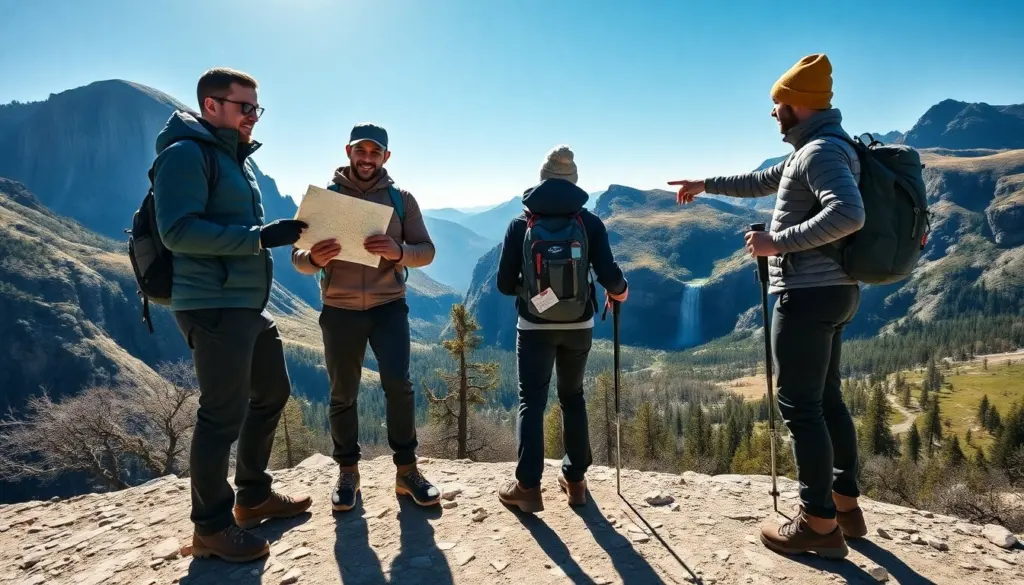
Choosing the right Yosemite hike starts with an honest assessment of fitness, time, and tolerance for exposure. Consider three main variables: distance and elevation gain (which determine how sustained the effort will be), technical difficulty (steep granite slabs, loose scree, or exposed ridgelines), and trail surface (well-packed dirt vs. steep stone steps). Season strongly affects route availability — snow and icy conditions can persist on high routes into late spring, while summer brings heat and crowded valley trails. Permits are required for certain activities: day-use rules for Half Dome cables during the open season, wilderness permits for overnight backpacking, and overnight parking or campsite reservations for multi-day trips. Practical checks include recent trail reports, Tioga Road status for access to high-country trailheads, and avalanche or rockfall advisories where relevant. For gear, carry a map and compass (or topo app), at least 2–3 liters of water for day hikes in summer, sun protection, layers for variable conditions, and footwear appropriate to steep granite. Start early to avoid crowds and afternoon thunderstorms; tell someone your plan and expected return time. With realistic choices and layered preparation, hikers can pick from among the best hikes in Yosemite National Park that match their abilities and expectations.
Must-Do Yosemite Valley Classics
Yosemite Valley contains many of the park’s most photographed and accessible trails, ranging from short, stroller-friendly walks to challenging day hikes. Valley classics put waterfalls, sheer granite walls, and sweeping meadows within reach and are often the first taste visitors get of what makes the best hikes in Yosemite National Park so compelling. Popular routes can get busy, so plan for early starts, midweek visits when possible, and alternatives if a trailhead is full. Respect posted rules, pack out trash, and practice Leave No Trace to help preserve these routes. Below are more specifics to help choose among valley options depending on time, fitness, and interests.
Half Dome (Cable Route) — What To Know Before You Go
Half Dome is widely considered one of the best hikes in Yosemite National Park for experienced day-hikers who want a strenuous, technical ascent with a dramatic summit. Typical round-trip distance is roughly 14–16 miles with approximately 4,800 feet of elevation gain depending on the chosen approach; most hikers start from the valley floor and ascend via the Mist Trail or John Muir Trail. Cables operate seasonally and a permit is required to use them — permits limit numbers and help protect the route and users. Preparation advice: gain experience on sustained climbs and exposed sections before attempting the cables; practice using gloved hands on chains and make sure footwear has good traction. Pack at least three liters of water in summer, electrolyte snacks, and a small first-aid kit; bring headlamp and extra layers in case you run late. If thunderstorms are forecast, postpone — the cable portion is exposed and dangerous when wet. Consider alternate summit goals (for example Clouds Rest or Glacier Point) if Half Dome permits are unavailable or if conditions are marginal.
Mist Trail To Vernal And Nevada Falls — Trail Details And Tips
The Mist Trail is one of the most iconic and versatile routes in the valley and is frequently listed among the best hikes in Yosemite National Park for waterfall scenery. Hikers can choose a short out-and-back to Vernal Fall footbridge or extend to the top of Nevada Fall for a longer, more strenuous day. Expect steep granite steps carved into the hillside and heavy spray near Vernal Fall in spring and early summer; wear quick-drying layers and protect electronics in waterproof pouches. On hot summer days the spray is refreshing but the rocks remain slippery — take care on wet steps and consider microspikes in icy conditions. If you prefer a gentler return, descend via the John Muir Trail loop to avoid the steep stone steps. Timing notes: allow time for views and photos, and leave early to avoid crowds and afternoon heat. Families should keep small children close near cliff edges and wet sections.
High-Country Treks Around Tuolumne Meadows
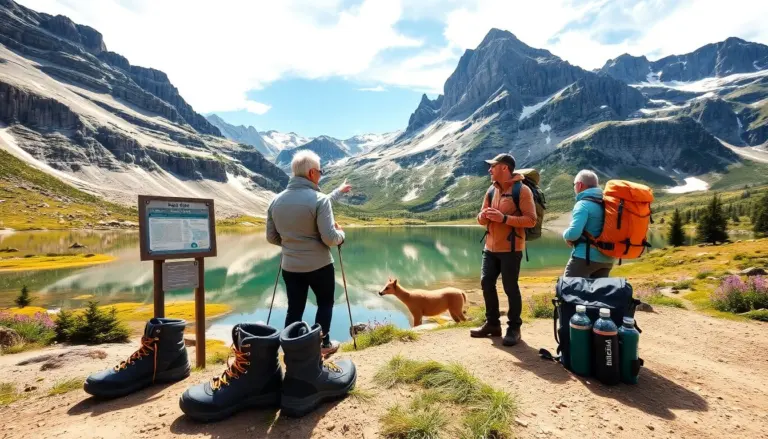
Tuolumne Meadows is the park’s high-country hub, offering alpine meadows, glacially polished granite, and access to some of the best hikes in Yosemite National Park that reward longer travel with solitude and expansive views. Trails from this area include Cathedral Lakes — a popular moderate out-and-back to clear high-alpine lakes; routes that circle or climb near Tenaya Lake and Clouds Rest for broad panoramas; and longer backpacking or day-loop options that explore granite ridges and tarns. Expect thinner air at higher elevations; hikers may notice increased exertion. Weather can change quickly, with bright sun giving way to afternoon storms even in summer; pack rain layers and an insulating midlayer. Water sources can be sparse on certain approaches — carry extra water or a reliable filter and know how to find and treat mountain water. Check Tioga Road and trailhead access before you go, and plan for smaller crowds by starting early or choosing midweek hikes. Navigation skills are useful for cross-country travel or off-trail summit attempts; carry a topo map and know how to read contours for route-finding. These high-country treks are some of the best hikes in Yosemite National Park for hikers seeking alpine scenery away from the busiest valley corridors.
Panoramic Short Hikes And Family-Friendly Options
Not every great Yosemite experience requires a full day. Several short trails deliver high payoff with modest effort, making them ideal picks for families, visitors short on time, or those looking to combine several viewpoints in a single visit. Sentinel Dome and Taft Point both offer dramatic panoramas and are relatively short with moderate elevation gain; Taft Point features impressive cliff-edge views where caution is essential. Bridalveil Fall and Lower Yosemite Falls are brief walks that place visitors close to water and are stroller- or wheelchair-accessible in many seasons. For families, plan for frequent stops, sun protection, and snacks; set clear safety rules around cliff edges and fast-moving water. For mixed-ability groups, combine a short scenic hike with a relaxed picnic in Yosemite Valley or a shuttle ride to viewpoints to maximize enjoyment without overexertion. These shorter routes are consistently counted among the best hikes in Yosemite National Park for people who want spectacular views without a strenuous commitment.
Practical Planning, Permits, And Safety Tips For Yosemite Hikers
Good planning reduces risk and increases enjoyment on the best hikes in Yosemite National Park. Before you travel, check current park alerts, trail condition reports, and Tioga Road status. Reserve required permits and overnight reservations well ahead of peak seasons and verify trailhead parking rules. For day hikes carry a charged phone and a paper backup map or downloaded offline map, layered clothing, headlamp, extra snacks, and a small repair kit. Practice bear-aware food storage: use lockers, canisters, or food boxes where provided and never leave food unattended in vehicles. Understand basic first-aid for blisters, sprains, hypothermia, and heat illness; bring a compact first-aid kit appropriate to the group size and trip length. Respect seasonal closures and posted signs that protect habitat and visitor safety; avoid social trails that cause erosion and damage to sensitive alpine vegetation. In high-use areas keep group sizes manageable and yield to faster parties on narrow sections. Finally, if you are unfamiliar with backcountry travel, consider guided trips or ranger-led hikes to learn route-finding, safe travel on granite, and low-impact camping techniques. Thoughtful preparation and situational awareness are key to enjoying the best hikes in Yosemite National Park safely and responsibly.