The best hikes in Banff attract hikers from around the world. This guide lists clear trail choices, expected conditions, and simple planning steps. It helps readers pick hikes that match fitness, time, and weather. The voice stays practical and direct so readers can plan safe, memorable trips. Below each section you’ll find what to expect on trail, how to prepare, and sensible alternatives if crowds, weather, or fitness change your plans.
Key Takeaways
- The best hikes in Banff offer trails suited for all levels, from easy lakeshore walks to challenging alpine routes with iconic views.
- First-time hikers should consider Lake Louise Lakeshore, Johnston Canyon, or Plain of Six Glaciers for accessible, scenic experiences with clear trails and signage.
- For alpine vistas and photo-worthy lakes, hikes like Lake Agnes Tea House and Sentinel Pass via Larch Valley require good fitness and careful footing.
- Families benefit from flat, short trails such as Bow River Loop and Vermilion Lakes Boardwalk, which combine safety and engaging landmarks.
- Plan visits between late June and early September, securing permits, parking, and checking trail statuses through Parks Canada to avoid crowds and ensure smooth access.
- Safety is paramount: carry bear spray, pack layered clothing, and follow wildlife etiquette to enjoy the best hikes in Banff responsibly.
Top Day Hikes For First-Time Visitors
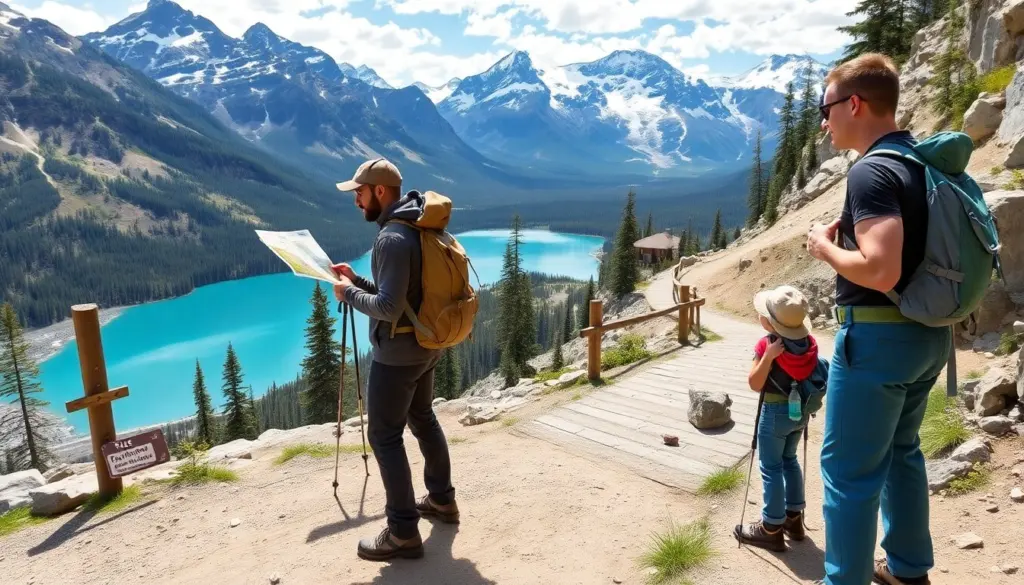
The best hikes in Banff start with easy access and big payoff. They recommend Lake Louise Lakeshore, Johnston Canyon, and Plain of Six Glaciers for first-time visitors. Lake Louise Lakeshore provides a gentle, well-marked path along a famous lake and is ideal for warming up to mountain scenery; it’s a good option for morning or late-afternoon light for photos. Johnston Canyon offers paved sections, sturdy catwalks above waterfalls, and short side-trails — great when you want dramatic scenery without scrambling. Plain of Six Glaciers gives alpine meadows and a teahouse as a satisfying turnaround point for a longer half-day effort. Practical tips: arrive early to beat parking rush, carry at least one liter of water per person, wear layers for variable mountain weather, and bring a small map or have an offline map on your phone since reception can drop. If one trail is crowded or closed, ask at the visitor centre for nearby alternates or lower-elevation loops that offer similar scenery with fewer people. These trails are beginner-friendly because they have clear routes, reliable signage, and defined endpoints that make planning straightforward.
Best Hikes For Alpine Views And Iconic Lakes
The best hikes in Banff that show alpine peaks and lakes include the Lake Agnes Tea House route, Moraine Lake to Consolation Lakes, and Sentinel Pass via Larch Valley. Expect steeper climbs, rocky sections, and exposed viewpoints where weather can change quickly; these routes reward effort with broad vistas and classic lake reflections. Footwear with good grip and ankle support is important, and trekking poles help on steep or loose sections. Plan these hikes when skies are clear for the best views and be prepared to turn back if clouds roll in or the trail becomes icy outside of the summer window. For photography: arrive early for soft light and fewer people, and consider scouting viewpoints on the way up rather than rushing to the summit. If you have less time or want to avoid heavy elevation gain, shorter alternatives near the townsite provide lake views with easier access while still tasting alpine scenery.
Family-Friendly Walks And Short Trails
The best hikes in Banff for families focus on short distance and easy terrain. Bow River Loop, Vermilion Lakes Boardwalk, and Sundance Canyon serve families well with level ground, clear sightlines, and natural features that keep kids engaged. Choose trails with frequent rest points, shade in warm weather, and minimal exposure to steep drop-offs. Pack essentials for the little ones: extra snacks, sun protection, a lightweight rain layer, and either a child carrier or sturdy stroller if you plan to stay on very flat boardwalks. Safety tips for families: set a realistic turn-around time so everyone stays happy, teach kids to stay on the trail and away from wildlife, and carry a small first-aid kit for scrapes and blisters. If toddlers get restless, short interpretive loops near visitor centres often include informative signs and safer spaces to stretch legs while parents enjoy scenery.
When To Go, Permits, And Trail Access Tips
The best hikes in Banff see peak use from late June to early September, but conditions vary by elevation. Low-elevation trails can open earlier in the season and high passes often remain snowy or muddy well into summer. Parks Canada requires a park pass for entry and posts current trail conditions and advisories—check the official updates before you go. Some popular trailheads implement timed parking, overnight camping restrictions, or shuttle reservations to manage access; research your chosen trailhead the day before departure to avoid surprises. To reduce crowds choose early starts, weekday visits, or lesser-known routes listed at visitor centres. Practical access tips: carpool to trailheads when possible, arrive before peak parking times, have a backup plan if a lot is full, and download an offline map or trail guide since cell service is inconsistent outside town. Follow Leave No Trace principles and park only in designated areas to keep these trails open and enjoyable for others.
Safety, Wildlife Etiquette, And What To Pack
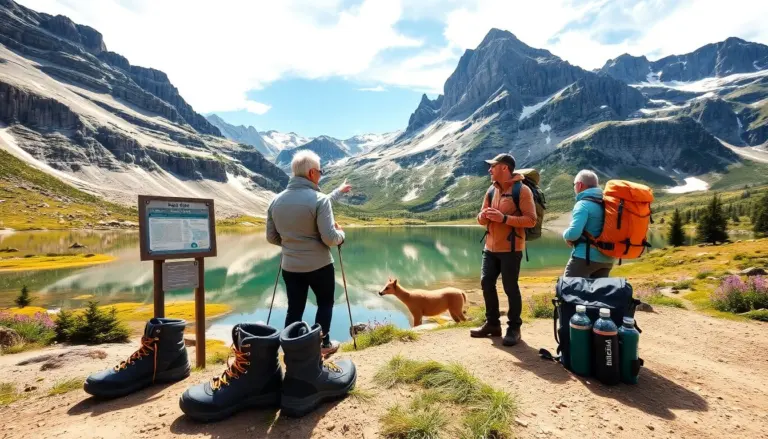
The best hikes in Banff require basic gear and common-sense wildlife steps. Carry bear spray where bears are possible and know how to access and use it quickly; store food, scented items, and garbage properly to avoid attracting wildlife. Make noise on blind corners, hike in groups when possible, and give animals wide berth — never approach or feed wildlife. Pack layered clothing for cold mornings and warmer afternoons, a waterproof jacket, navigation tools (map and compass or an offline GPS app), headlamp, extra food, and a small first-aid kit. Footwear with good tread is essential for wet rock and scree. For longer day trips add an emergency shelter and a way to contact help if needed. If you encounter a bear, follow standard distancing and deterrence guidelines: stay calm, speak firmly, make yourself appear larger, and back away slowly—do not run. Being prepared, respectful, and conservative with decisions is the best way to enjoy the best hikes in Banff safely and minimize your impact on the environment.