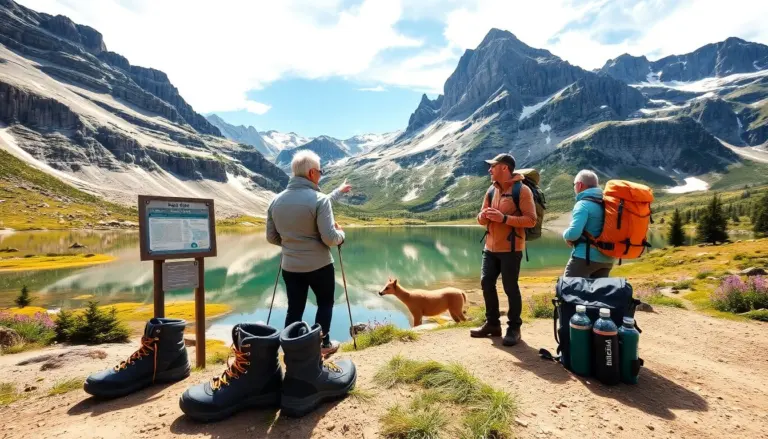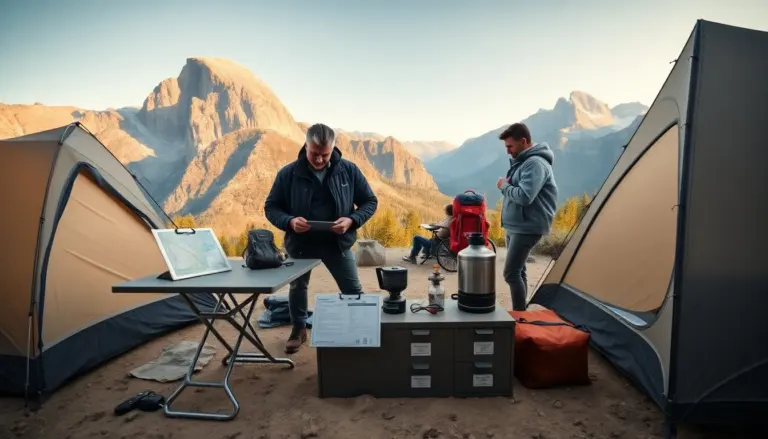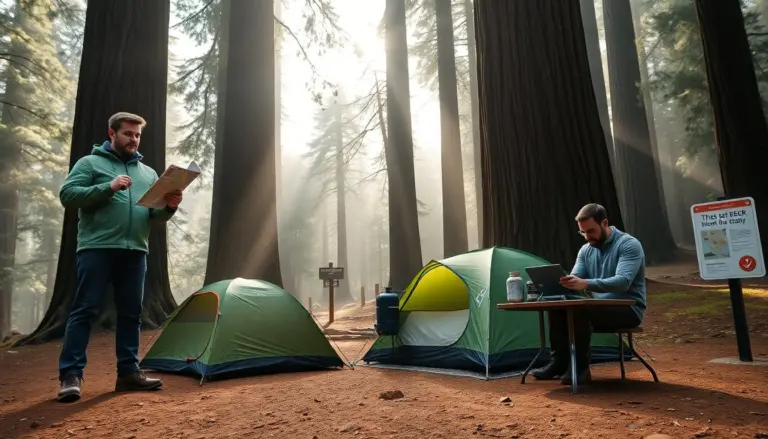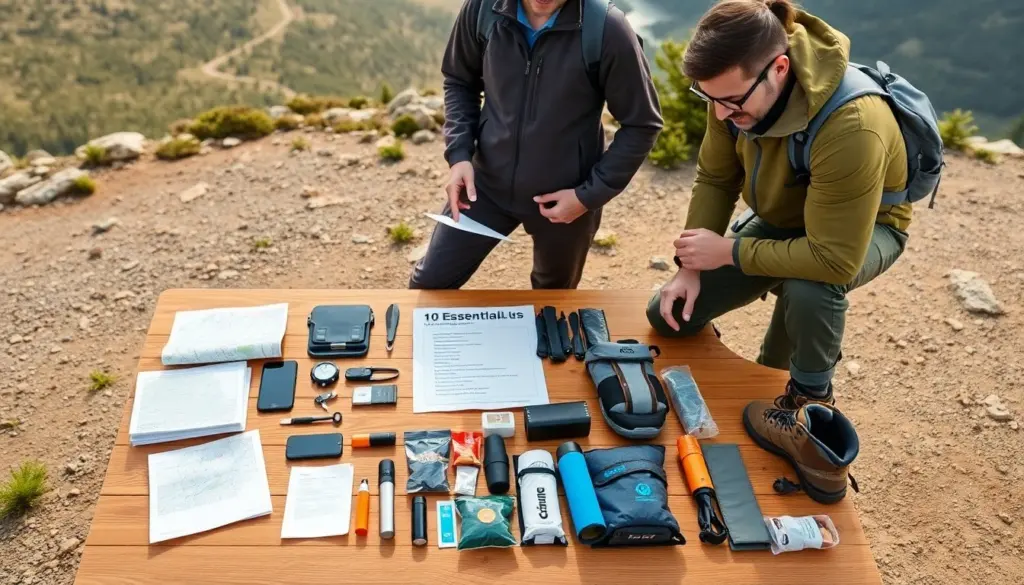
10 essentials for hiking provide a clear set of items hikers should pack before a trip. This list helps hikers reduce risk and improve comfort on trails. It focuses on practical gear that people use on day hikes and overnight trips. The checklist aims to keep hikers safe, fed, dry, warm, and able to handle common trail problems.
Key Takeaways
- The 10 essentials for hiking prioritize safety, comfort, and preparedness to handle common trail challenges.
- Navigation tools like maps, compass, GPS, and emergency communication devices are crucial for orientation and calling for help.
- Proper clothing layers and sun/rain protection maintain warmth and shield hikers from weather changes and UV damage.
- Carrying calorie-dense food, sufficient water with purification options, and emergency shelter ensures survival and comfort on hikes.
- A small repair kit and fire-starting tools help fix gear problems and provide warmth or signaling in emergencies.
- Choosing between hydration systems and bottles depends on trip needs, with various water treatment options balancing convenience and reliability.
Navigation, Communication, And Emergency Safety Tools
Maps and a compass form the first group in the 10 essentials for hiking. A paper map shows terrain and routes when devices fail. A compass gives orientation when visibility drops. A GPS device or smartphone with offline maps provides a fast reference point. A satellite messenger or PLB lets hikers call for help when cell service fails. A whistle and signal mirror allow a person to attract attention at close range. A small headlamp with fresh batteries helps hikers move after dark or signal rescuers. A basic first aid kit addresses minor wounds, blisters, and sprains. A multitool or fixed blade helps with cuts, splints, and gear repair. Each item reduces risk and speeds recovery from common problems on trails.
Clothing, Footwear, And Sun/Rain Protection
Proper clothing forms another pillar of the 10 essentials for hiking. Hikers should choose layers for warmth and flexibility. A lightweight shell blocks wind and rain. An insulating midlayer provides warmth when temperatures drop. A moisture-wicking base layer moves sweat away from skin. A hat protects from sun or heat loss. Sunglasses and sunscreen protect eyes and skin from UV damage. A rain cover or poncho keeps gear dry in sudden storms. Sturdy footwear provides ankle support and traction on varied terrain. A spare set of socks helps prevent blisters and keeps feet dry after water crossings. Gloves protect hands from cold and abrasion. Each clothing item helps a hiker stay comfortable and safe as conditions change.
Food, Water, Shelter, And Repair Essentials
Food and water make up core survival needs in the 10 essentials for hiking. Hikers should carry calorie-dense snacks and meals that require little prep. A water supply must meet daily needs and account for heat or exertion. Water purification tablets, filters, or UV purifiers allow hikers to refill from streams and lakes. A lightweight emergency shelter such as a bivy sack or emergency blanket protects against exposure if plans change. A small repair kit with cordage, duct tape, a sewing needle, and spare buckles fixes common gear failures. A lighter and waterproof matches let a hiker start a fire for warmth or signaling. A small pot or cup helps boil water and prepare simple meals. Each item in this group keeps a hiker fed, hydrated, and able to cope when the trail goes wrong.
Hydration Systems Vs Bottles And Water Treatment Options
Hikers choose between hydration systems and bottles based on trip type and preference. Reservoirs sit inside packs and offer hands-free drinking while moving. Bottles sit in side pockets and provide simpler access and easier cleaning. Hikers should test fit and access on training hikes to choose the right option. For water treatment, filters remove sediment and bacteria from most natural sources. Chemical tablets kill pathogens and pack very small. UV pens neutralize microorganisms quickly when water is clear. Boiling remains the most reliable method when time and fuel are available. Hikers should carry a small spare container to store treated water. Each treatment method balances speed, weight, and reliability for the hiker’s needs.